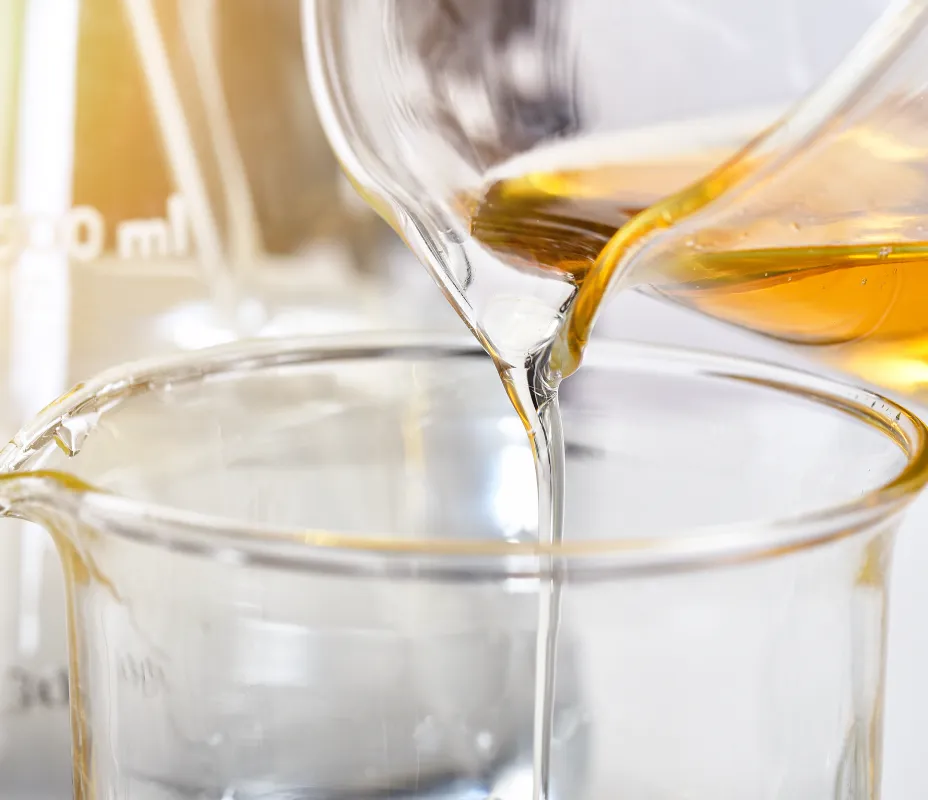
Solvents are substances capable of dissolving other materials, forming solutions. They're commonly used in various applications, such as cleaning, manufacturing, and as a medium for chemical reactions. Solvents work by breaking down other substances, facilitating their dispersion and allowing different elements to mix. They come in various types, including water, alcohols, and hydrocarbons, each with unique properties suitable for dissolving specific materials. Their versatility in dissolving various substances makes solvents integral in a wide array of industries, including pharmaceuticals, paints, adhesives, and beyond.
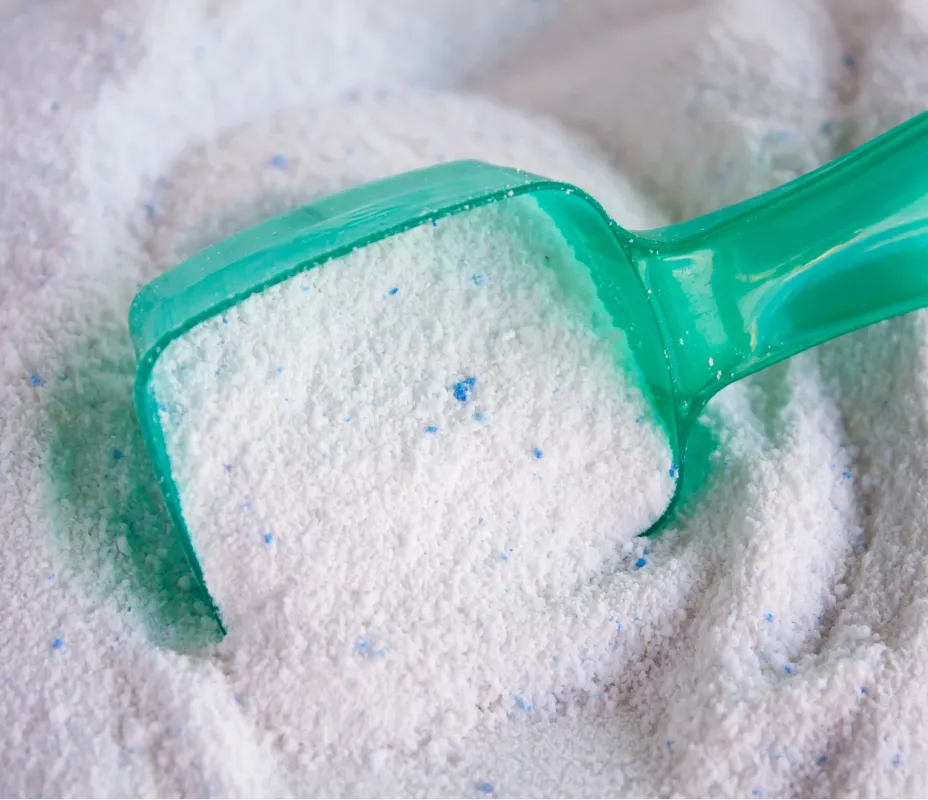
Surfactants are specialized compounds that have a unique ability to lower surface tension between different substances. These substances are widely used in everyday products like detergents, soaps, shampoos, and even in industrial applications. Their main role is to help substances mix together that would typically separate, like oil and water. Surfactants have two parts to their molecular structure: one end is attracted to water (hydrophilic), while the other end is attracted to oil and grease (hydrophobic). This dual nature allows them to efficiently break down dirt and grease, making them effective in cleaning processes. In addition to cleaning, surfactants also play a role in various industrial processes, cosmetics, and pharmaceuticals due to their unique properties that aid in dispersion, wetting, and foaming.