
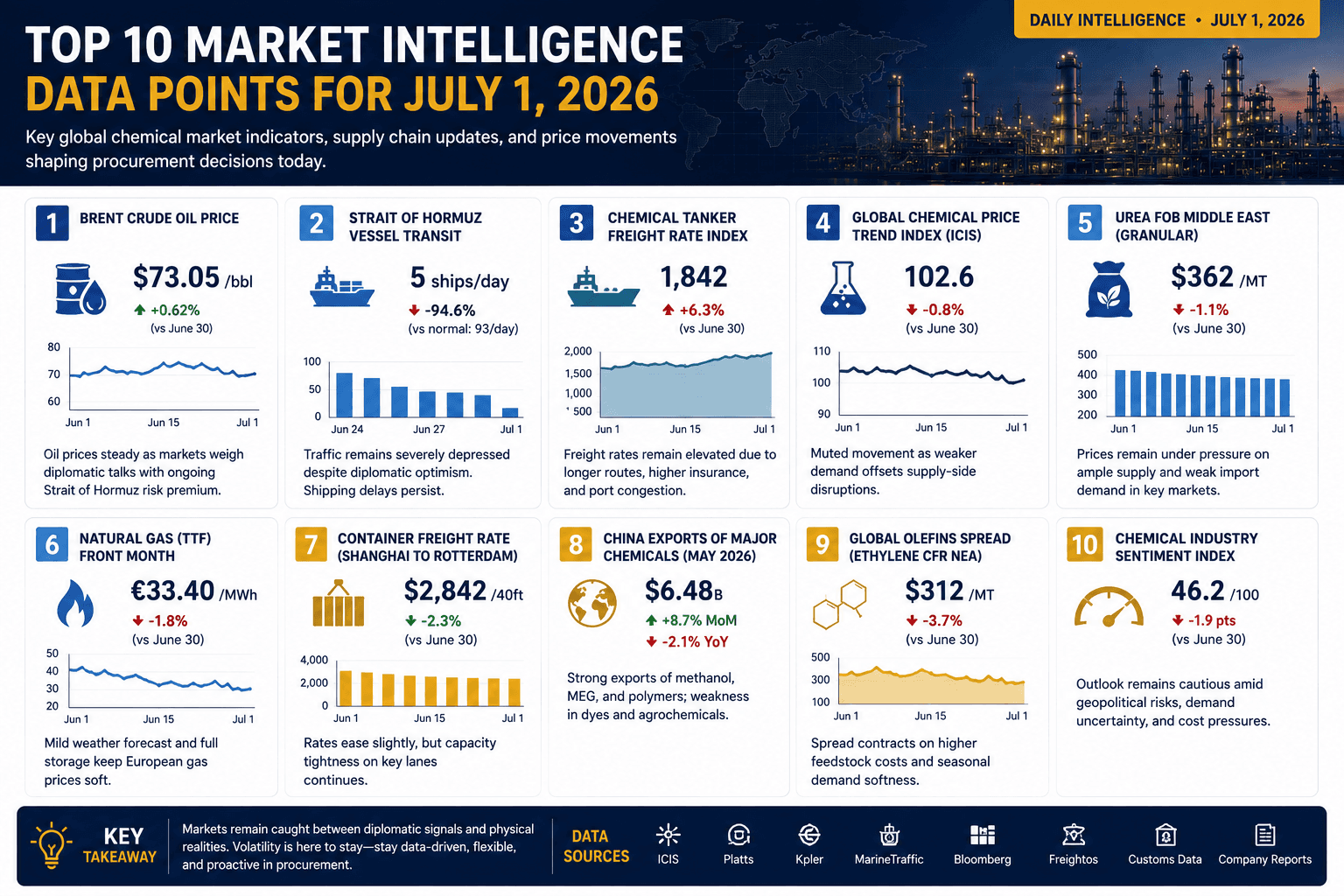

Related Insights

Japan's Agrochemical Pivot Toward India: Following the Solar Materials Playbook
As Japanese chemical makers redirect investment from China to India across sectors like solar materials, agrochemical suppliers are watching whether a similar shift plays out in crop protection. For procurement teams managing fungicide, herbicide and insecticide portfolios, understanding whether this geographic pivot extends to agricultural chemicals matters for supply chain planning and sourcing strategy.
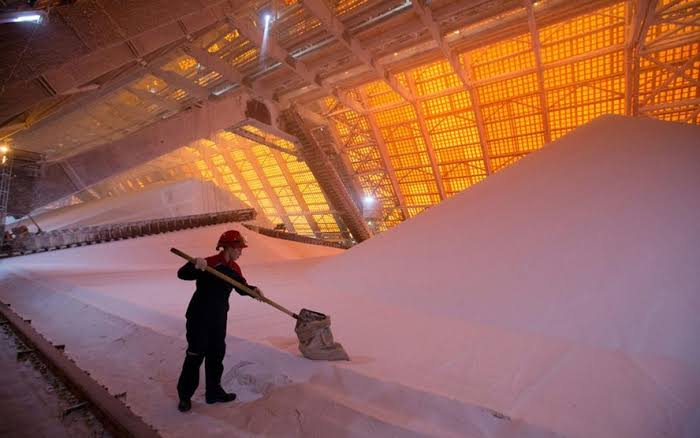
EU Tariffs on Russian Fertilizer Redirect Global Supply Toward Brazil, India and the US
EU tariffs on Russian fertilizer, effective July 1, are redirecting supplies toward Brazil, India, and potentially the US. Explore the global supply chain implications.
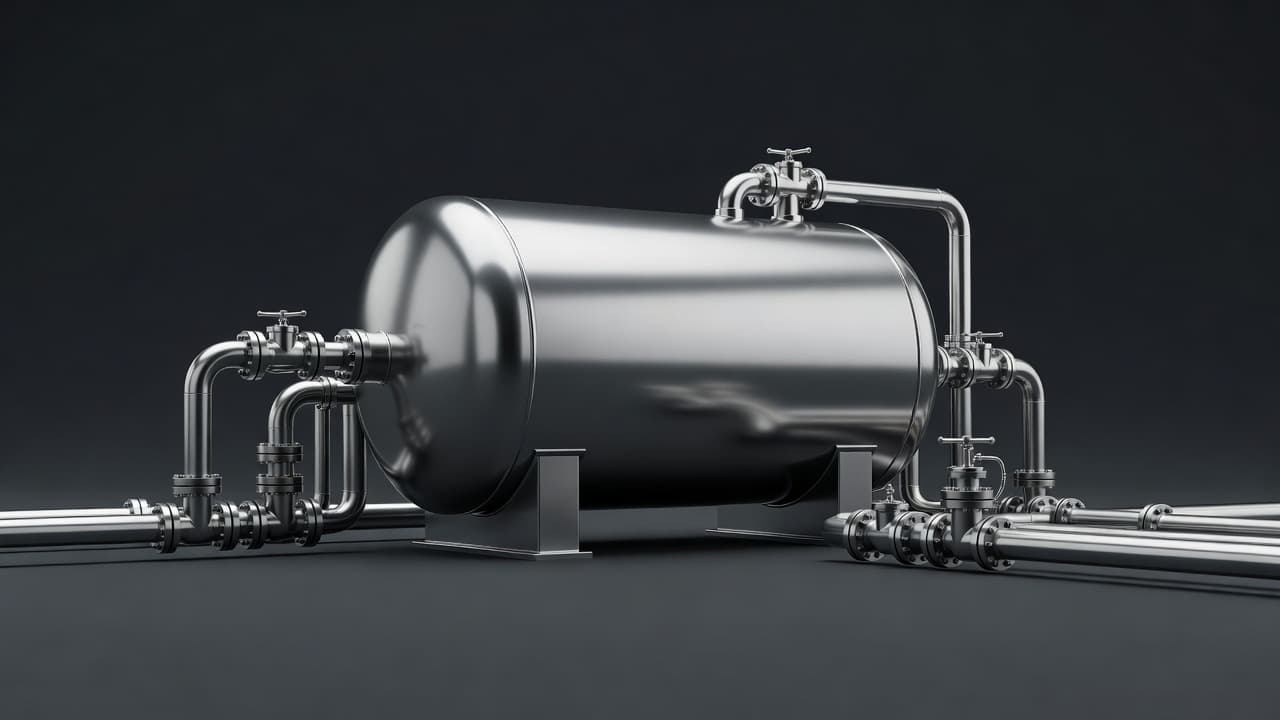
Acetic Acid and Ethyl Acetate Tick Up: Why July's Price Increases Matter for Petrochemical Buyers
Modest price increases for acetic acid and ethyl acetate in early July 2026 may signal changing market sentiment in China's petrochemical sector. Procurement teams should monitor these movements closely, as small upstream price adjustments often precede broader changes across downstream chemical markets.
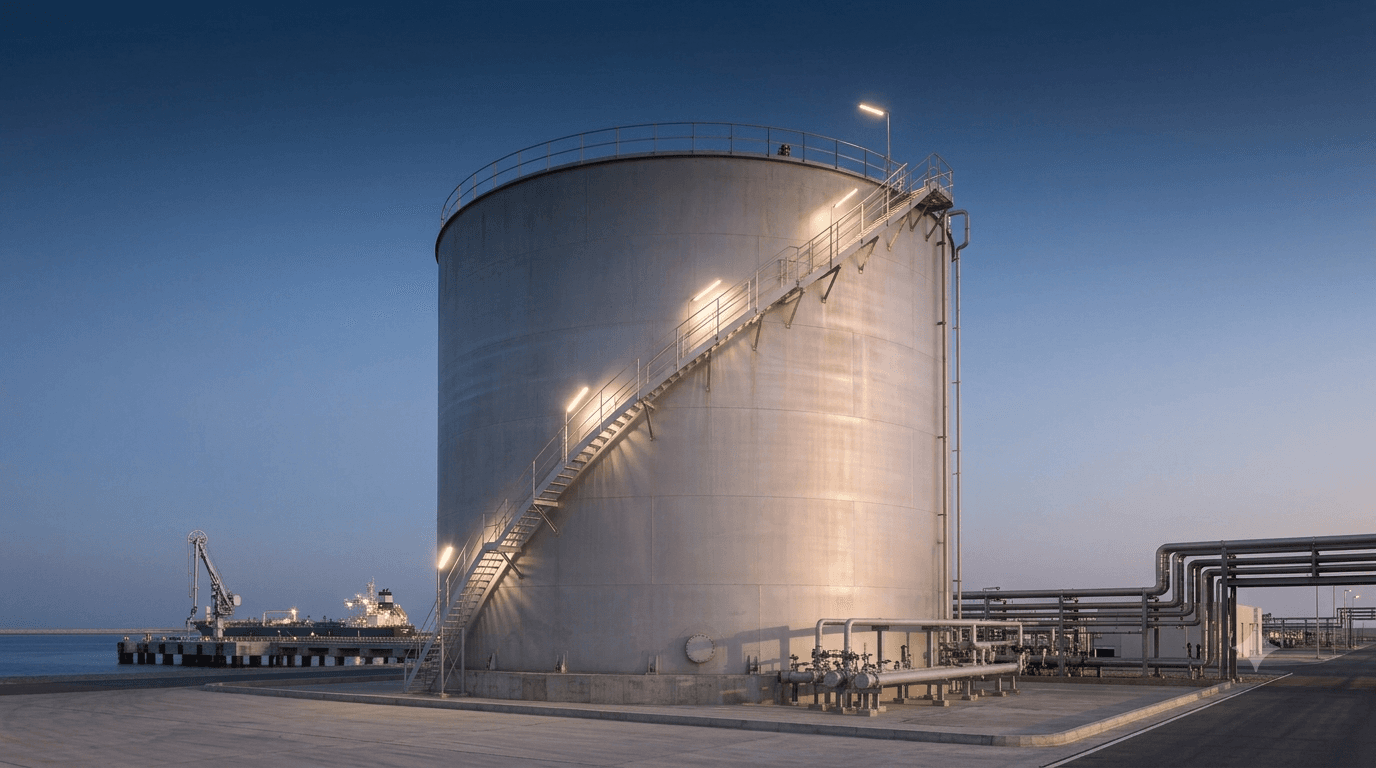
Thailand's Emergency Fuel Export Ban: A Case Study in Downstream Chemical Disruption and Supply Chain Risk
Thailand's emergency fuel export ban highlighted how government intervention can rapidly disrupt downstream chemical supply chains. Procurement teams that rely on Thai petrochemical exports can use this case to strengthen sourcing strategies and reduce exposure to sudden market shocks.

VCI Q2 2026 Review Signals Deepening German Chemical Weakness
The upcoming VCI Q2 2026 report underscores a sharp decline in German chemical production, driven by soaring feedstock costs and weak domestic demand. Naphtha‑based downstream plants are hit hardest, while export disruptions to Asia and the Gulf further strain utilization rates. For buyers, the data offers critical insight into supplier stability and pricing dynamics across Europe.
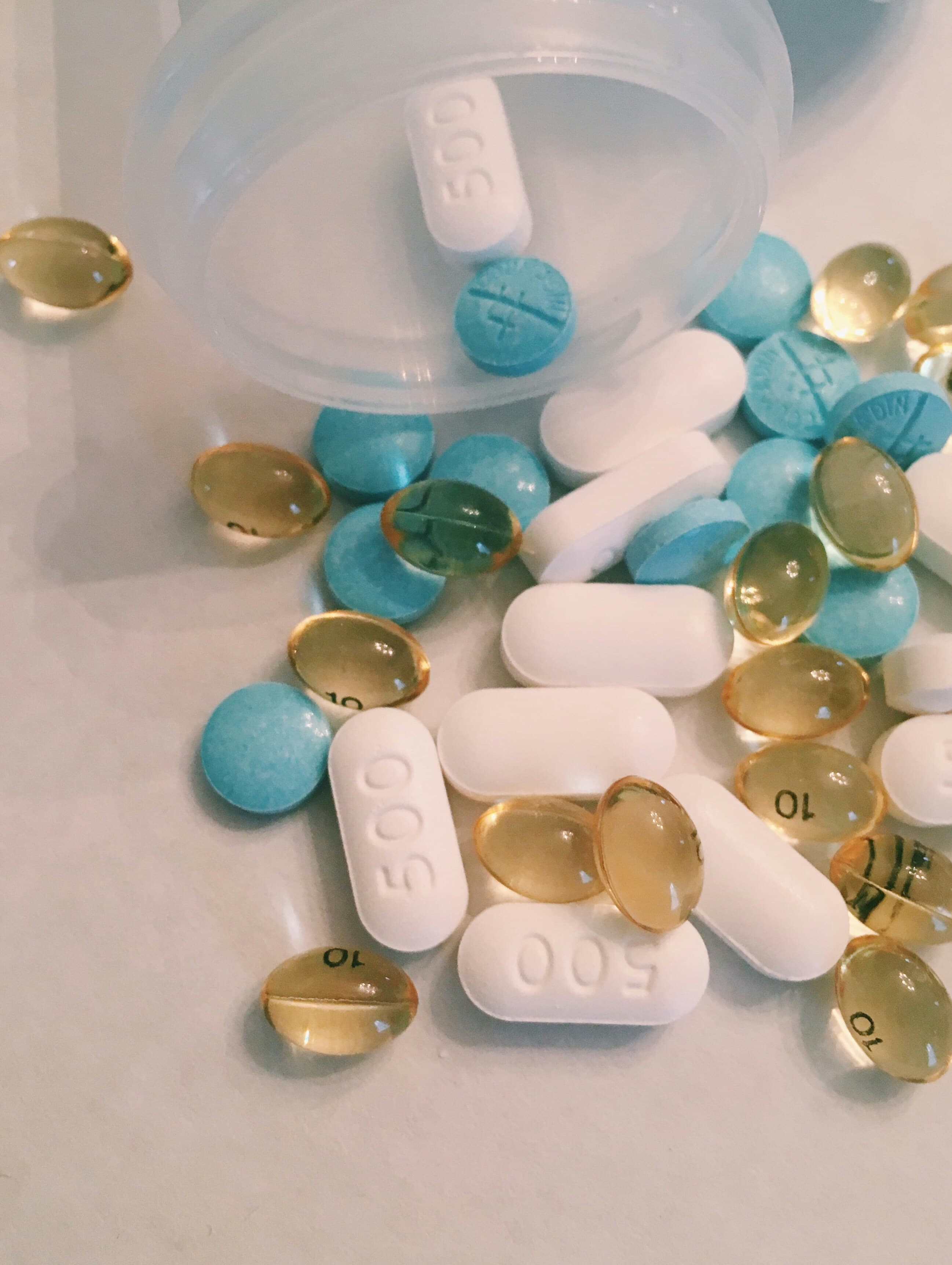
Pharmaceutical Supply Chain: H1 2026 Closing Risk Assessment
The first half of 2026 exposed major vulnerabilities in pharmaceutical supply chains. API concentration, shipping disruptions, and logistics risks are reshaping procurement strategies for H2 2026 and beyond.
Don't miss out on our updates! Subscribe to our newsletter now
We're committed to your privacy. Tradeasia uses the information you provide to us to contact you about our relevant content, products, and services. For more information, check out our privacy policy.