


Related Insights
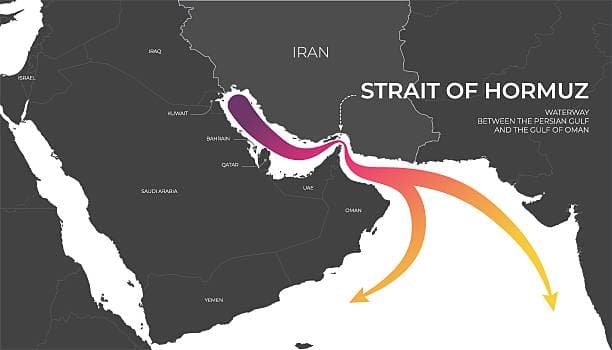
Two Chokepoints, One Crisis: Hormuz & Bab el-Mandeb Threatened Together
Simultaneous threats to the Hormuz and Bab el-Mandeb choke points could ripple through global shipping and chemical supply chains, demanding urgent resilience measures. This article examines the risks, impacts, and strategies to mitigate disruption.
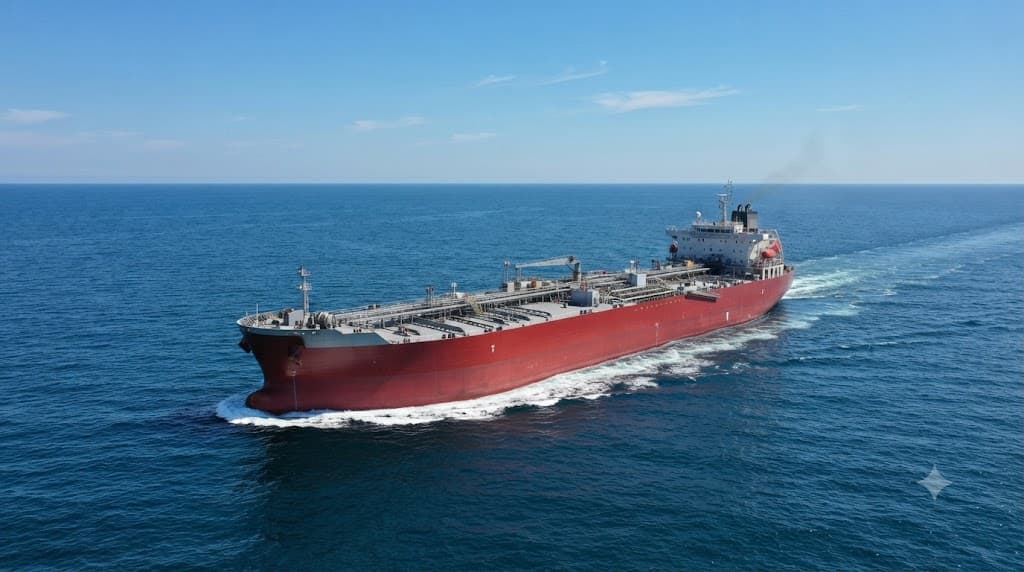
Ranking the Conflict's Reach: Impact on Global Chemical Supply Chains
The current escalation has directly touched Iran, the US, Kuwait, the UAE, Oman, Jordan, Saudi Arabia and Yemen. Chemical buyers must rank this expanded footprint against past crises to adjust procurement strategies.
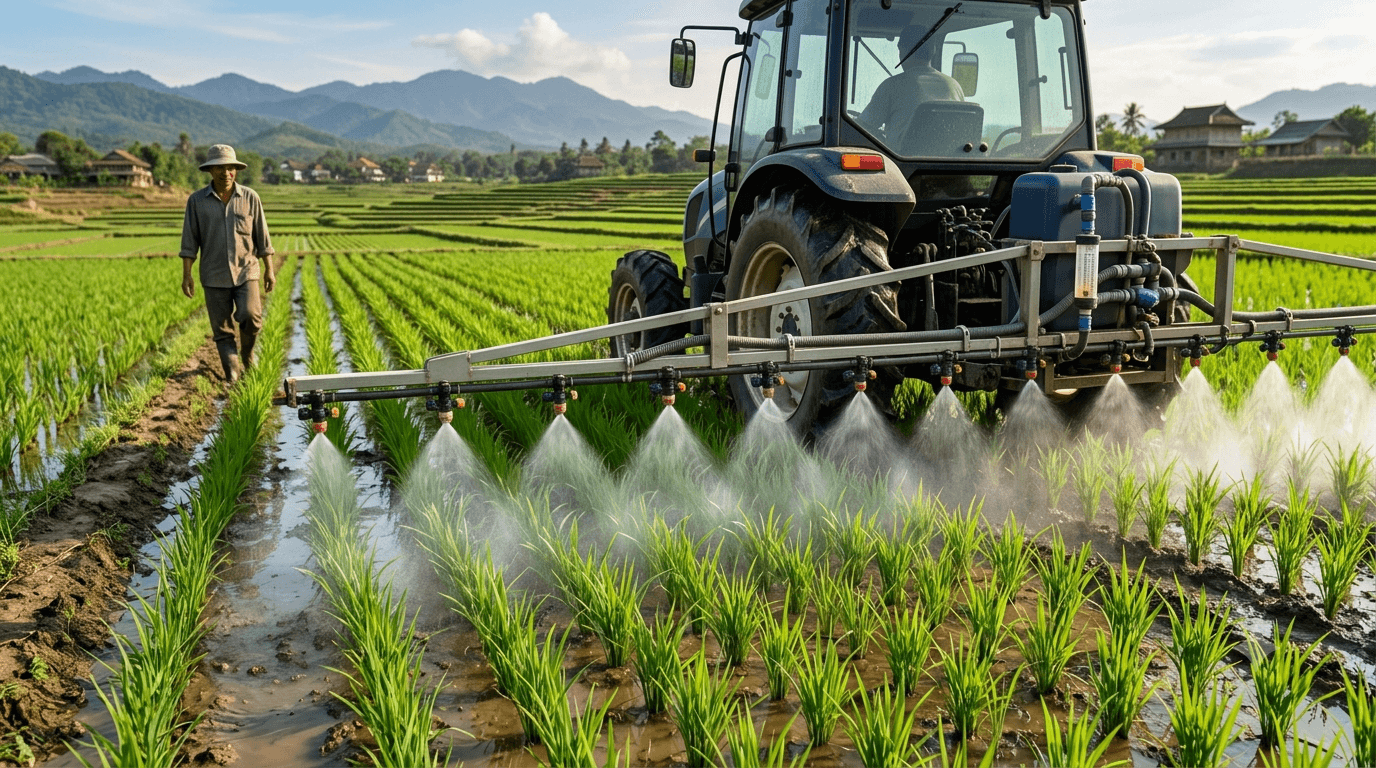
Japan's Agrochemical Pivot Toward India: Following the Solar Materials Playbook
As Japanese chemical makers redirect investment from China to India across sectors like solar materials, agrochemical suppliers are watching whether a similar shift plays out in crop protection. For procurement teams managing fungicide, herbicide and insecticide portfolios, understanding whether this geographic pivot extends to agricultural chemicals matters for supply chain planning and sourcing strategy.
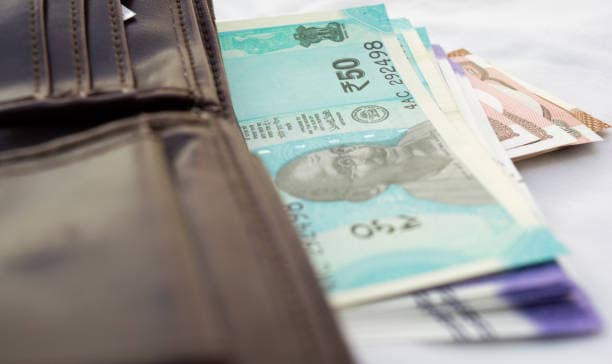
Rupee Depreciation Reshapes Indian Chemical Export Logistics Economics
When the rupee weakens, Indian chemical exporters face higher freight costs, altered procurement choices, and shifting trade dynamics. This article explores how currency swings influence logistics, competitiveness, and international shipping strategies, offering insight into adapting to a volatile economic landscape.
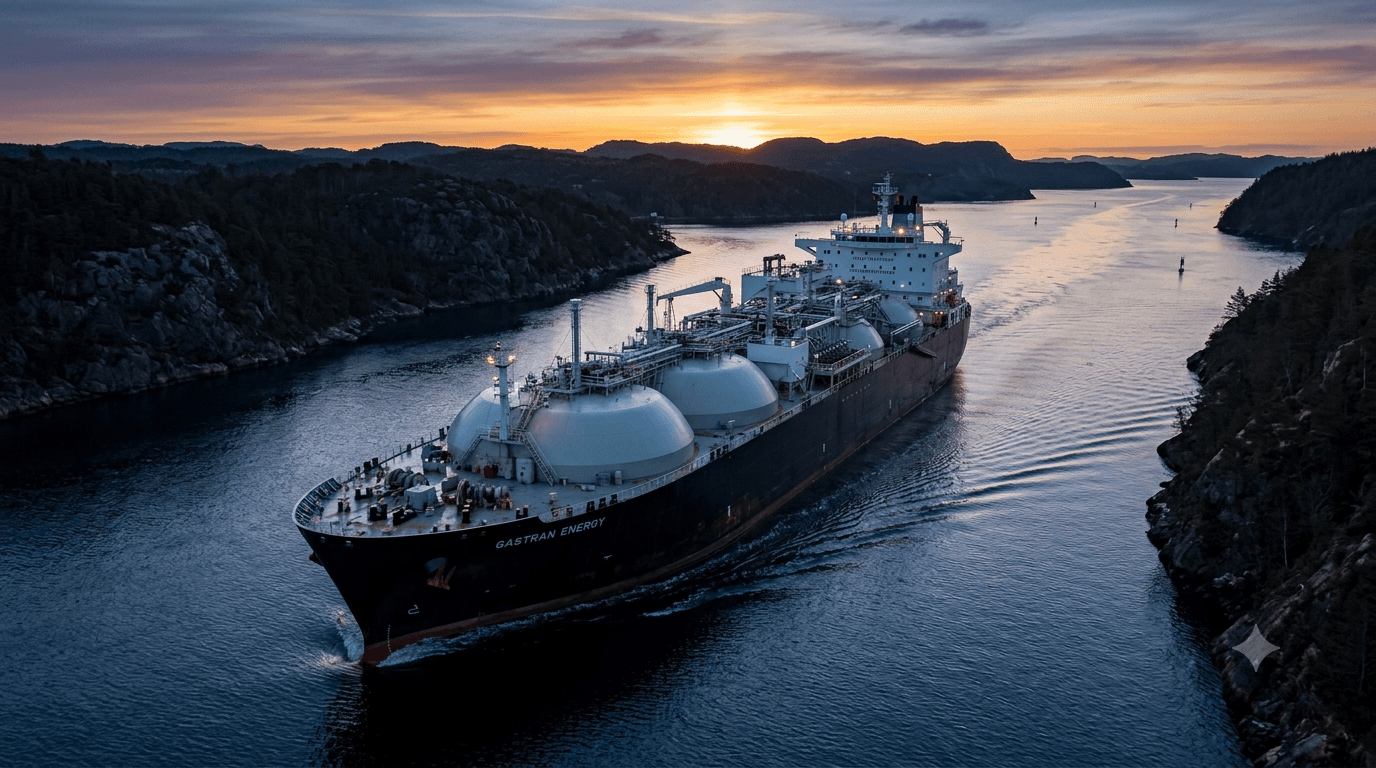
AIS Data vs Headline Status: Why Strait of Hormuz "Closure" Claims Can Mislead Chemical Supply Chains
Headline reports often describe the Strait of Hormuz as closed during periods of military escalation, but AIS vessel tracking frequently tells a different story. This analysis explains why chemical traders and procurement teams should rely on verified shipping movements instead of political rhetoric when managing logistics, sourcing and freight risk.

Global Chemical Trade Intelligence Report: H1 2026 Closing Summary
H1 2026 reshaped global chemical trade as the Hormuz crisis disrupted supply routes, cut seaborne volumes by up to 20%, boosted Chinese and US exports, and permanently altered logistics patterns. H2 will determine which of these structural shifts become the new normal.
Don't miss out on our updates! Subscribe to our newsletter now
We're committed to your privacy. Tradeasia uses the information you provide to us to contact you about our relevant content, products, and services. For more information, check out our privacy policy.