
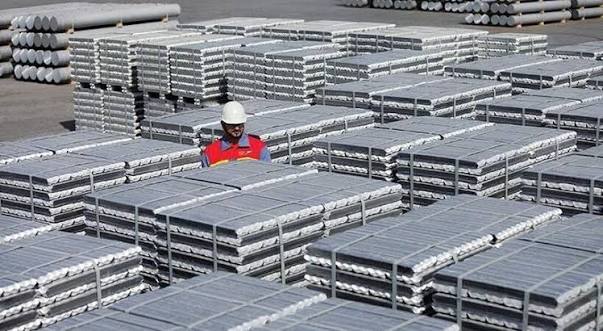
Aluminium Sulfate CAS: 7784-31-8
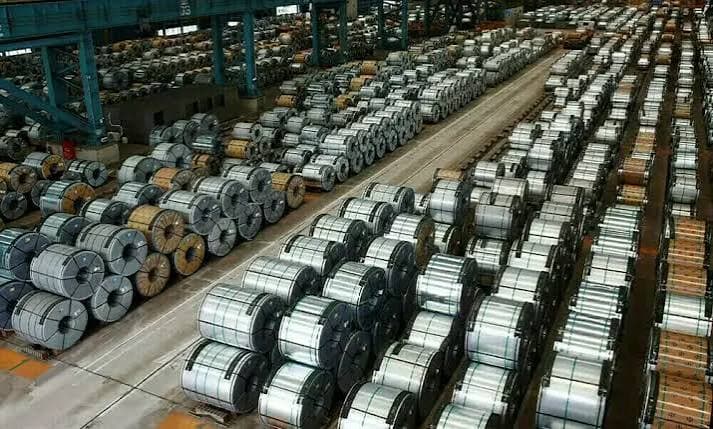
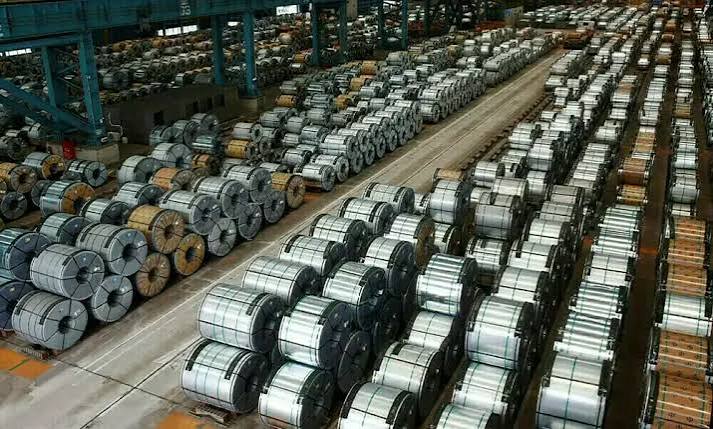
The disruption of naphtha shipments through the Strait of Hormuz has placed renewed pressure on Asia's petrochemical industry. Buyers of olefins, polymers and downstream petrochemicals should reassess feedstock exposure and supplier resilience as market conditions evolve.
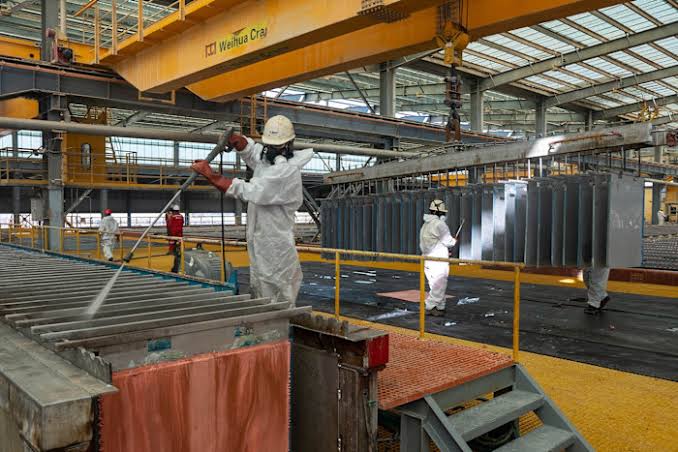
The Hormuz crisis disrupted nearly 45% of global sulfur supply as Gulf refinery by-product exports collapsed for months. With vessel movement now improving, sulfur and sulfuric acid buyers may finally see the first meaningful cost relief in August after one of 2026’s most overlooked supply chain disruptions.
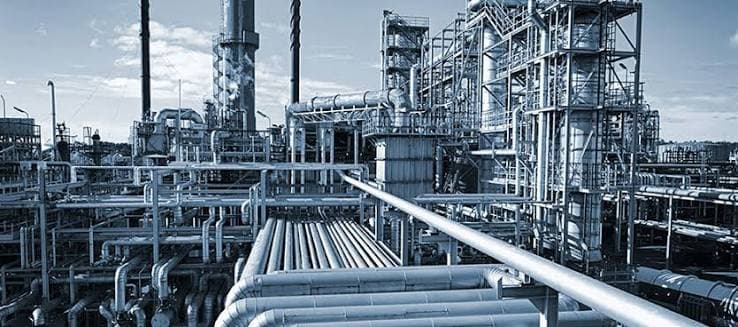
Pakistan enters July 2026 with improving chemical import conditions supported by lower crude prices, recovering Gulf logistics and easing freight costs. However, foreign exchange constraints and trade finance remain the defining commercial risks for international suppliers.
Today's Doha talks could reshape chemical shipping logistics across the Gulf. With elevated maritime risk, delayed vessel movements and cautious carrier policies, procurement teams need to understand how today's diplomatic outcome could affect Q3 sourcing, freight costs and supply chain planning.

The 2026 Hormuz crisis exposed structural weaknesses in global chemical supply chains. The lessons learned should now be translated into permanent procurement policies that strengthen resilience long after the crisis ends.
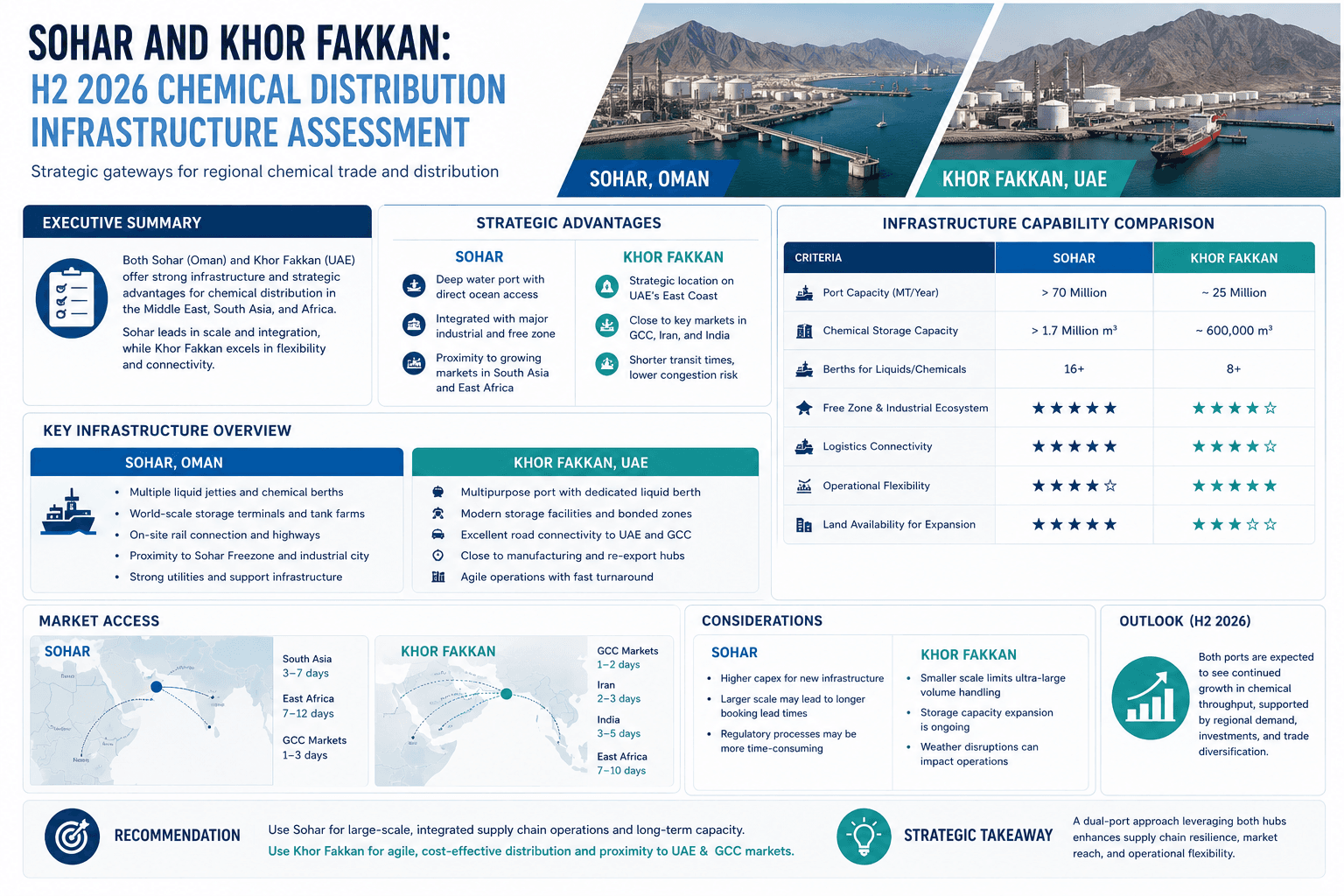
Sohar and Khor Fakkan have emerged as permanent Gulf chemical distribution hubs after the Hormuz crisis disrupted traditional routes. Chemical buyers should now verify exactly where supplier cargo loads, as port selection directly affects insurance costs, lead times, and shipment risk.
We're committed to your privacy. Tradeasia uses the information you provide to us to contact you about our relevant content, products, and services. For more information, check out our privacy policy.