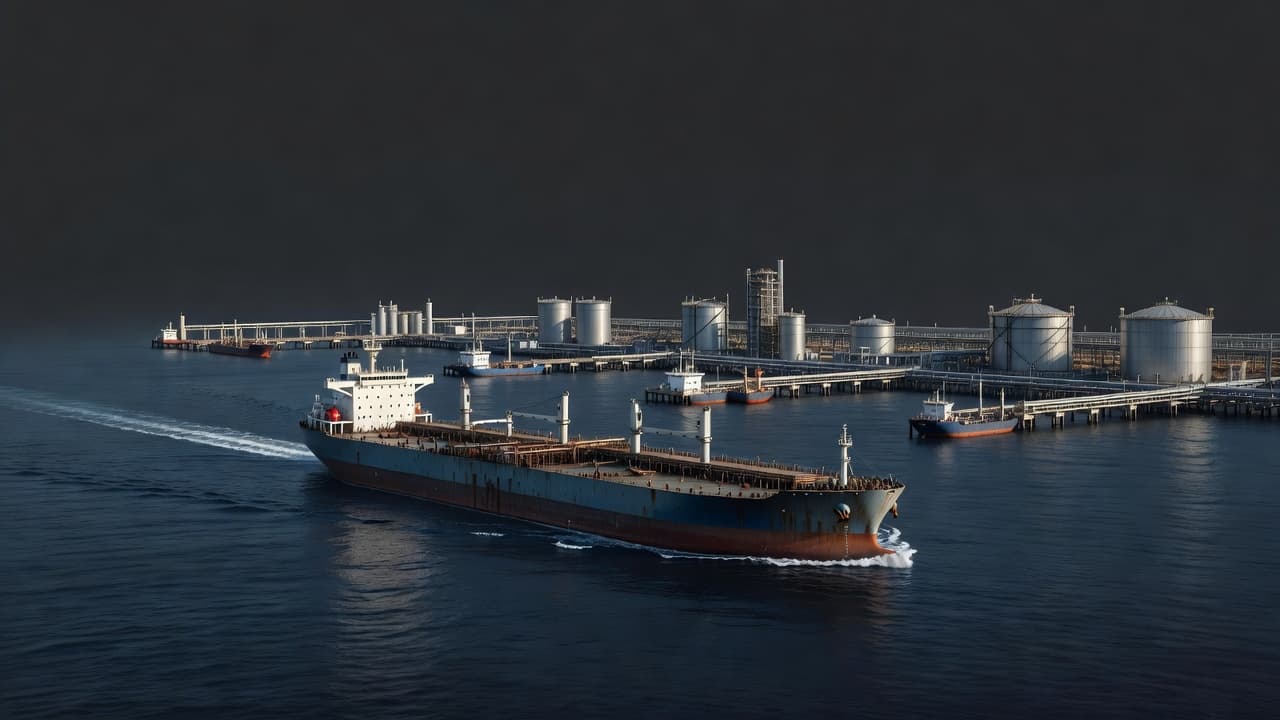

A growing number of chemical shipments face delays at international borders because importers fail to meet documentation and licensing requirements. Regulatory agencies across major markets continue to strengthen oversight, making compliance a critical part of chemical procurement and international trade.
Chemical import licensing requirements now influence supplier selection, contract negotiations and sourcing strategies across the chemical industry. Whether companies import industrial solvents, feed additives, specialty chemicals or hazardous substances, they must understand country-specific regulations before cargo leaves the exporting country. Failure to comply can result in shipment seizures, financial penalties and serious disruptions to supply chains.
Why Chemical Import Licensing Requirements Matter
Import licensing serves several purposes beyond customs administration. Governments use licensing systems to control hazardous materials, protect public health and monitor the movement of sensitive chemicals across borders.
For importers, compliance begins long before a shipment arrives at a port. Companies often need to verify product classifications, obtain permits and prepare supporting documentation before placing purchase orders.
Licensing requirements frequently depend on:
Hazard classification of the chemical product.
Intended use within industrial or commercial applications.
Import volume and shipment frequency.
National security and environmental considerations.
Existing registration status within the destination market.
Importers who understand these requirements early can reduce costly delays and avoid compliance risks.
Hazardous Chemicals Face the Highest Compliance Burden
Hazardous chemicals typically attract the strictest import controls. Authorities often require additional permits, safety reviews and transportation certifications before approving entry.
Many countries classify chemicals according to physical hazards, health hazards and environmental risks. Products such as corrosives, flammable liquids, toxic substances and reactive chemicals often require enhanced documentation.
Common compliance requirements include:
Import licences issued by competent authorities.
Safety Data Sheets that meet local regulatory standards.
Dangerous goods transport documentation.
Product classification reports.
Emergency handling and storage information.
The complexity increases when importers move chemicals across multiple jurisdictions with different regulatory systems.
China's Hazardous Chemicals Safety Law Raises Documentation Standards
China remains one of the world's most important chemical manufacturing and trading markets. Recent regulatory developments have increased the importance of documentation accuracy for importers and exporters.
China's Hazardous Chemicals Safety Law, effective from May 1, 2026, strengthened documentation and compliance expectations for hazardous chemical imports. Importers now face greater scrutiny regarding product identification, hazard communication and supporting compliance records.
Companies sourcing chemicals into China should carefully review:
Product classification accuracy.
Hazard communication requirements.
Registration and declaration obligations.
Documentation consistency across shipping records.
Supplier compliance credentials.
Even minor discrepancies between shipping documents can create delays during customs review.

TSCA Compliance for Chemical Imports into the United States
The United States maintains a comprehensive chemical regulatory framework through the Toxic Substances Control Act, commonly known as TSCA.
Importers must certify that imported chemicals comply with existing TSCA requirements. If a substance qualifies as a new chemical under regulatory definitions, companies may need to notify the Environmental Protection Agency before importation.
Procurement teams often overlook TSCA obligations when sourcing from international suppliers. This oversight can create compliance risks even when products meet commercial specifications.
Key importer responsibilities include:
Verifying chemical inventory status.
Maintaining compliance records.
Ensuring supplier transparency regarding substance composition.
Supporting certification requirements during customs entry.
REACH Registration Requirements in the European Union
The European Union continues to operate one of the most detailed chemical regulatory systems in global trade.
Importers of REACH-regulated substances must ensure that the chemicals they place on the market satisfy applicable registration obligations. Compliance responsibilities often extend beyond suppliers and can directly affect importers.
Several factors influence REACH obligations:
Annual import volume.
Substance classification.
Intended industrial application.
Existing registrations and authorisations.
Restrictions affecting specific chemical categories.
Companies importing into Europe frequently conduct extensive supplier due diligence before finalising procurement agreements.
India's Import Controls for Hazardous Chemicals
India has expanded its role as a major chemical manufacturing and consumption market. At the same time, regulators continue to strengthen oversight of hazardous chemical imports.
Import licences remain necessary for numerous hazardous substances under applicable chemical control rules. Importers must ensure they understand licensing requirements before scheduling shipments.
Areas requiring careful attention include:
Hazardous chemical classification.
Import permit eligibility.
Storage and handling requirements.
Documentation submitted to authorities.
Transport compliance obligations.
Businesses that fail to address these requirements often encounter customs delays and additional compliance costs.

Documentation Requirements That Importers Cannot Ignore
Documentation forms the foundation of successful chemical imports. Even when licences exist, incomplete paperwork can prevent customs clearance.
Importers should establish documentation review procedures before shipment dispatch. This process helps identify compliance gaps before cargo reaches a border checkpoint.
Critical documents often include:
Commercial invoices.
Certificates of analysis.
Safety Data Sheets.
Bills of lading.
Import permits and licences.
Regulatory declarations.
Product classification records.
Accurate documentation improves supply chain reliability and strengthens relationships with customs authorities.
How Chemical Trading Platforms Support Compliance
Modern chemical trading platforms play an increasingly important role in reducing compliance risks.
Procurement teams often prefer suppliers that can provide complete documentation packages alongside commercial quotations. This approach reduces uncertainty during customs clearance and regulatory review.
Reliable suppliers typically provide:
Updated Safety Data Sheets.
Product specifications.
Regulatory declarations.
Quality certificates.
Export and import documentation support.
Traceability information.
The ability to verify compliance documentation before purchase can save significant time and resources.
Supply Chain Risks Linked to Licensing Failures
Licensing failures create consequences that extend beyond a single shipment. Delays can affect production schedules, inventory levels and customer commitments.
When authorities identify compliance deficiencies, importers may face:
Shipment detention.
Product seizure.
Monetary penalties.
Increased inspection frequency.
Contract performance issues.
Reputational damage.
Regulatory compliance should be treated as a procurement priority rather than an administrative afterthought.

What Importers Should Prioritise Going Forward
Chemical regulations will continue evolving as governments strengthen oversight of hazardous substances and international trade flows. Importers who rely solely on price comparisons risk overlooking significant compliance liabilities.
Successful procurement teams increasingly evaluate suppliers based on regulatory capability, documentation quality and compliance transparency. A supplier that consistently provides complete records often delivers greater long-term value than a lower-cost supplier with limited compliance support.
As regulatory frameworks in China, the United States, the European Union and India become more demanding, importers should invest in compliance planning, supplier verification and documentation management. These measures help reduce risk while supporting reliable international trade operations.
Ready to source Phosphoric Acid (85%) from verified global suppliers? Explore competitive offers on our platform today.
Phosphoric Acid (85%) (E338) CAS: 7664-38-2
SUGGESTED PRODUCT: Phosphoric Acid (85%)
REASON: Phosphoric acid is widely traded internationally, often subject to chemical import documentation and regulatory compliance requirements, making it highly relevant to import licensing discussions.