
Borax Decahydrate (Technical Grade) - Argentina CAS: 1303-96-4
Borax Decahydrate (Technical Grade) - Argentina CAS: 1303-96-4
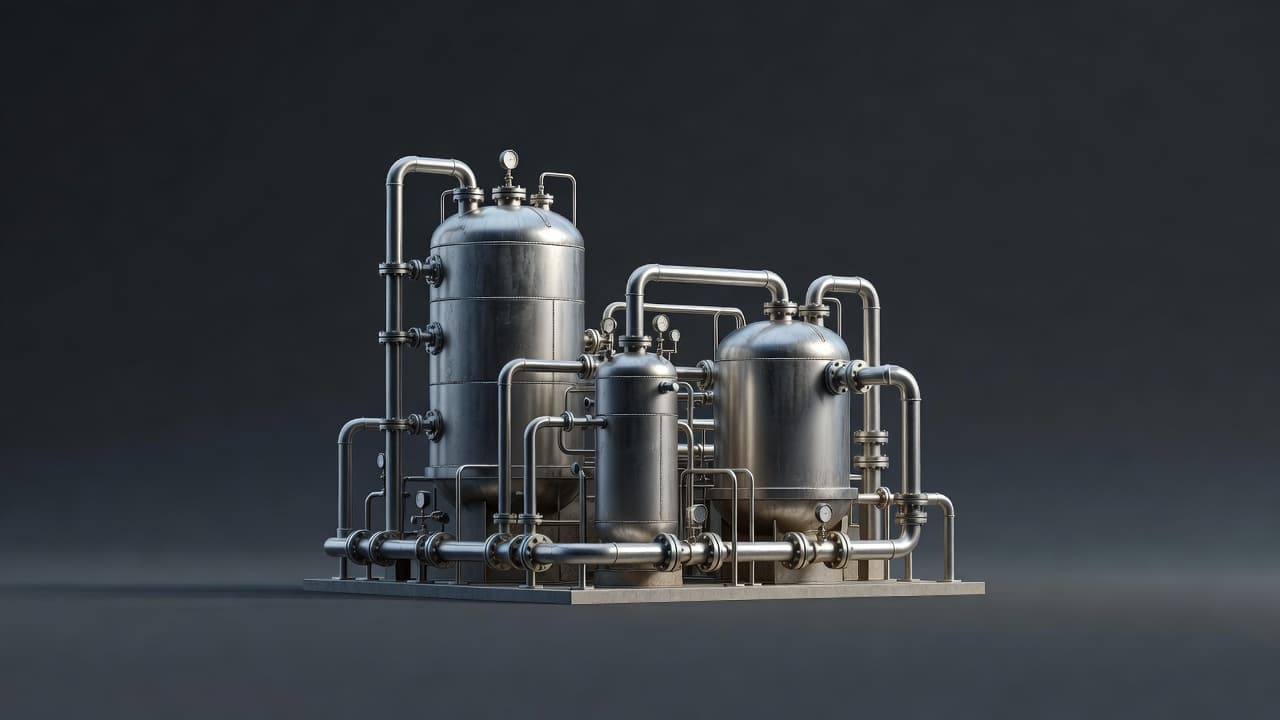
Four major US chemical companies suspended production lines for polystyrene, PVC, styrene and related products during early July 2026. Procurement teams should evaluate how reduced operating capacity may affect product availability, regional pricing and future sourcing strategies.
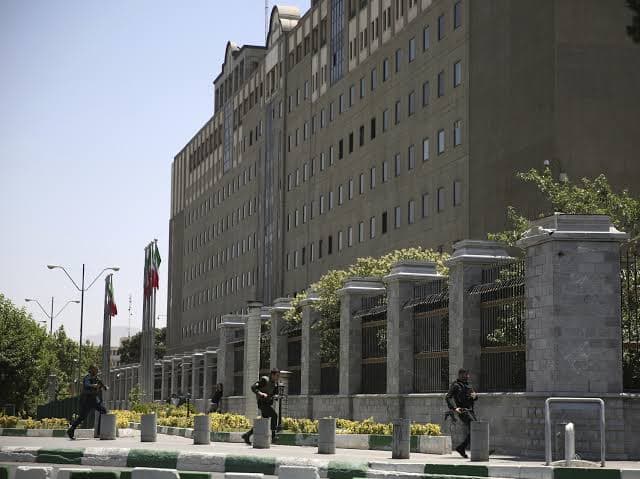
Iran enters H2 2026 presenting three distinct institutional positions on diplomacy, maritime security and international engagement. For chemical buyers, understanding these competing policy signals is becoming as important as monitoring production capacity or sanctions compliance.

Iran's Goreh-Jask Pipeline provides an alternative export route for crude oil, but it does not solve the logistics challenge facing petrochemical exports. Chemical buyers evaluating Iranian sourcing opportunities must understand the difference.
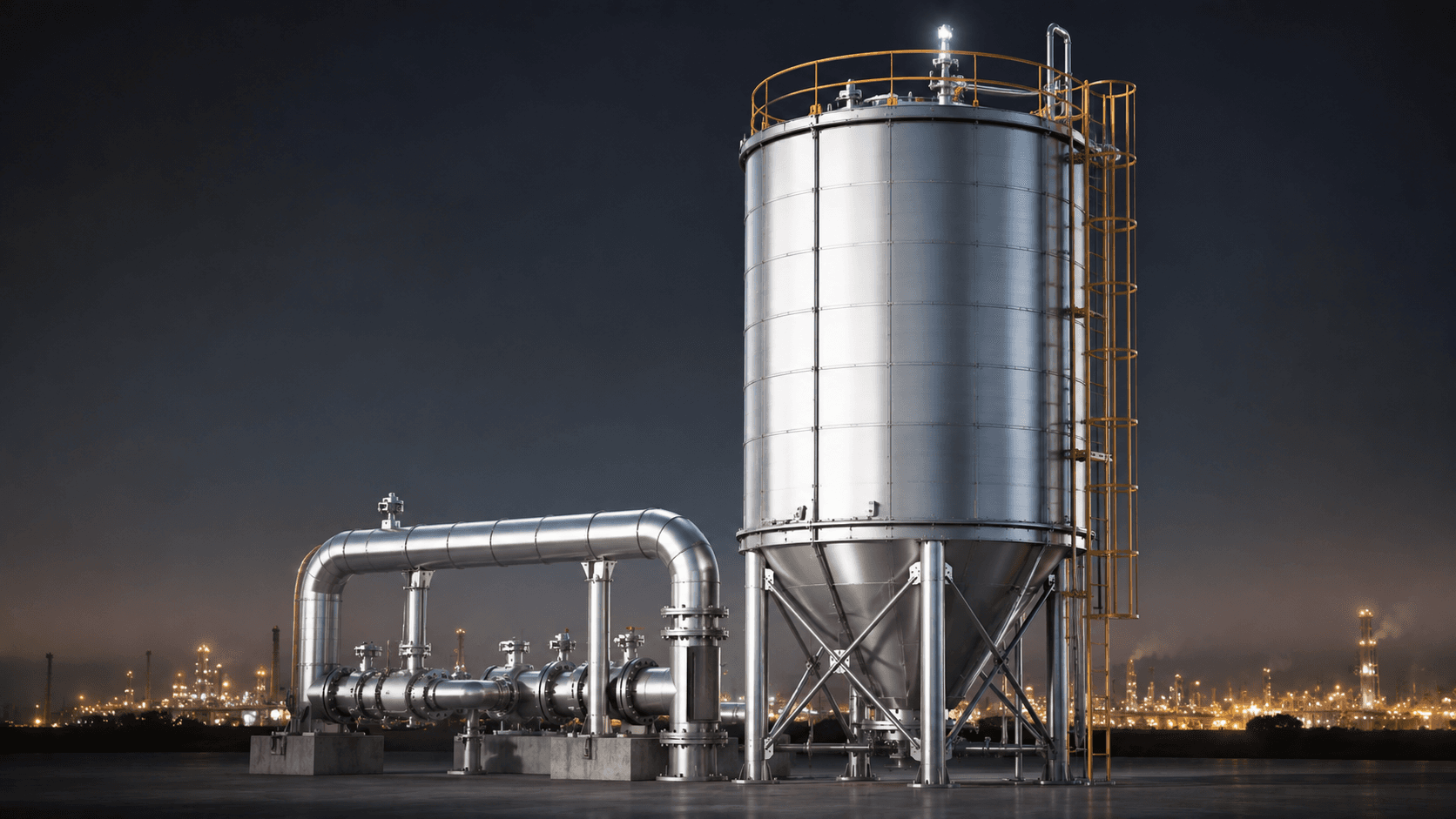
Mexico's Pemex has unveiled a $5.3 billion petrochemical and fertilizer reinvestment strategy aimed at dramatically expanding domestic output by 2030. While the plan could reshape regional fertilizer trade over the long term, buyers should not expect immediate relief for tight global nitrogen markets.
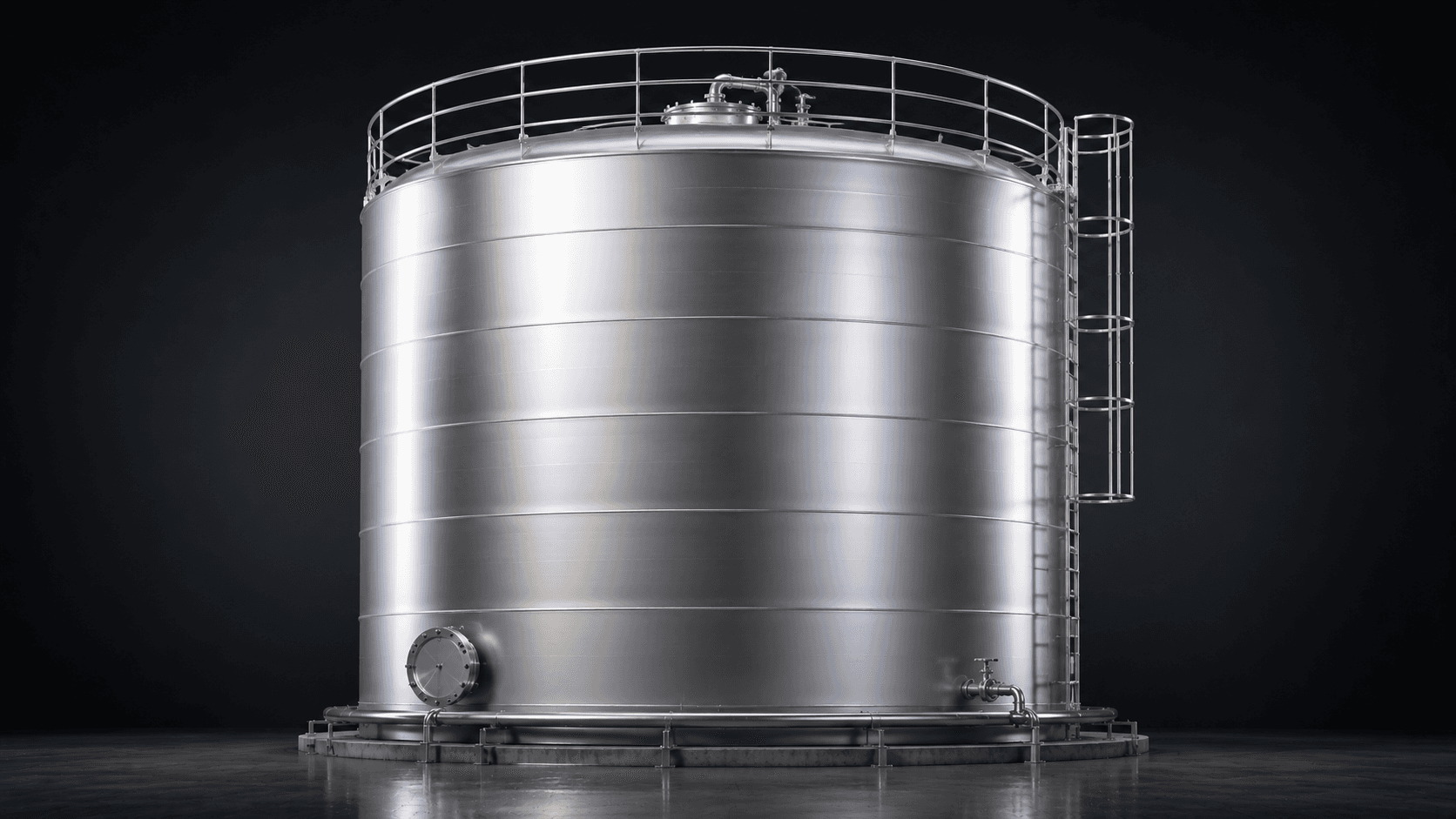
Petrochemical markets entered Q3 2026 with uncertainty still dominating procurement decisions. From Hormuz shipping recovery to Chinese MTO output and European cracker utilization, five critical variables could reshape chemical prices over the coming months.

The 2026 Hormuz crisis has reshaped global chemical competitiveness. As logistics constraints weakened some traditional exporters, other countries have emerged as major beneficiaries. Understanding this new export landscape may be one of the most important sourcing advantages for H2 2026.
We're committed to your privacy. Tradeasia uses the information you provide to us to contact you about our relevant content, products, and services. For more information, check out our privacy policy.