
Polyethylene Terephthalate (PET) CAS: 25038-59-9
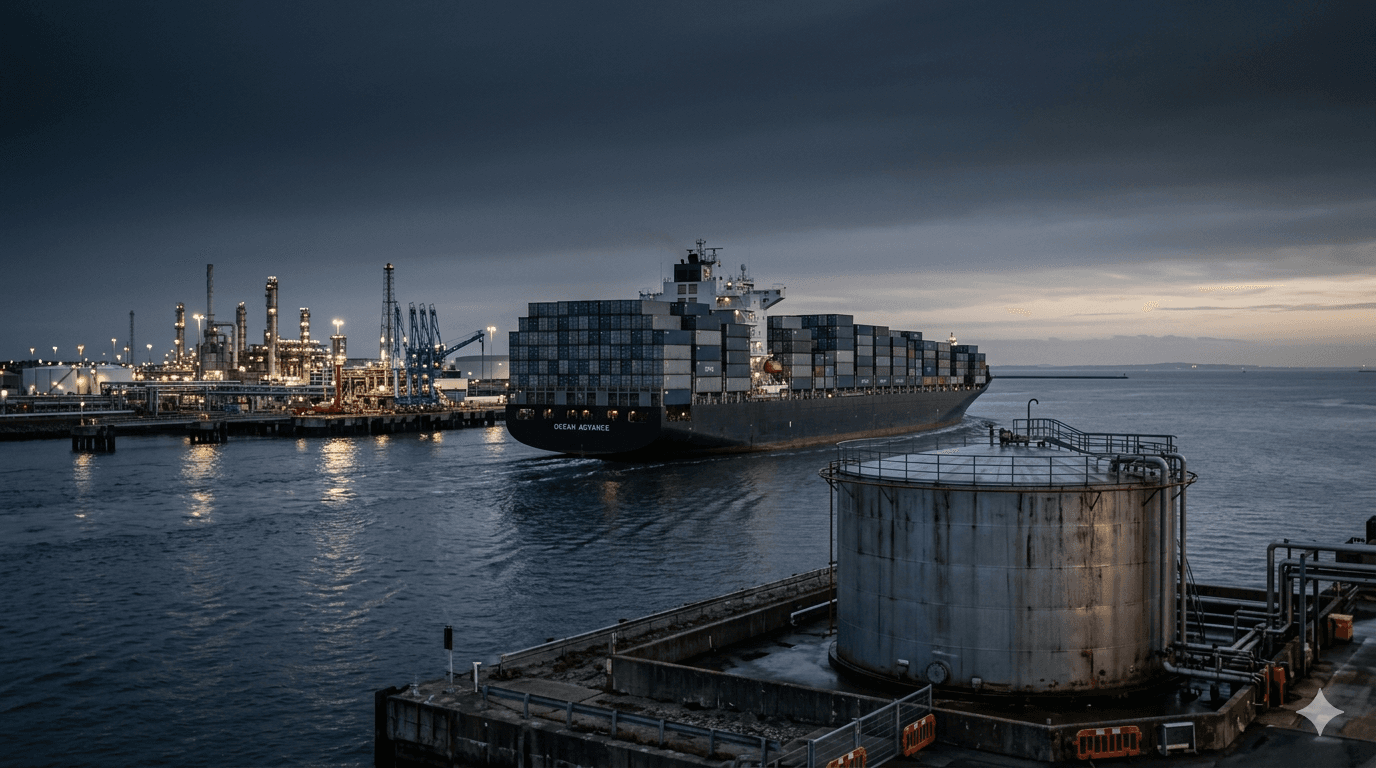
Brent crude has dropped to $72.60 despite ongoing military escalation across the Gulf. This unusual market reaction signals that supply recovery currently outweighs geopolitical risk, creating important implications for petrochemical procurement and chemical pricing in the months ahead.
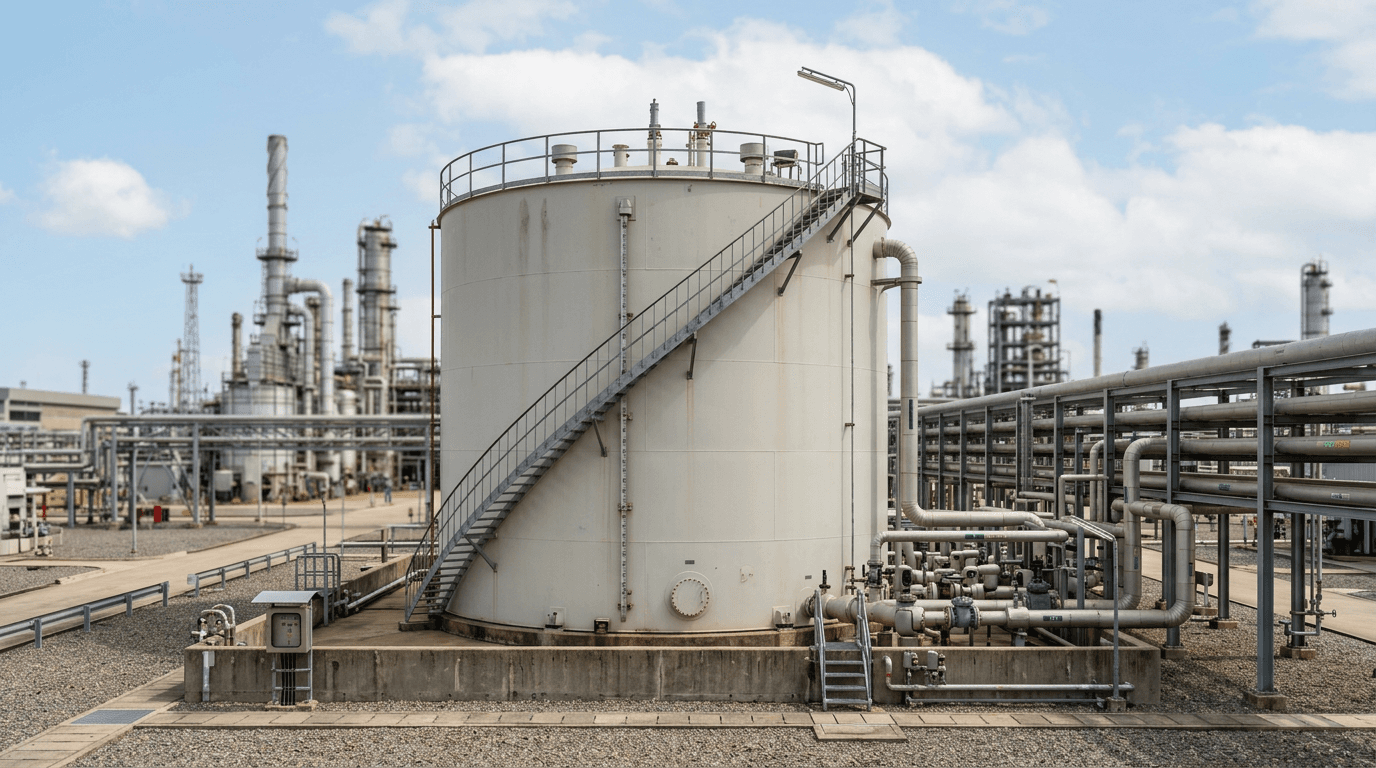
US ethane-based polyethylene gained market share in Asia during Gulf supply disruptions, but returning Gulf PE exports may reshape sourcing decisions in the second half of 2026. This analysis helps buyers compare origin, freight and contract strategies.
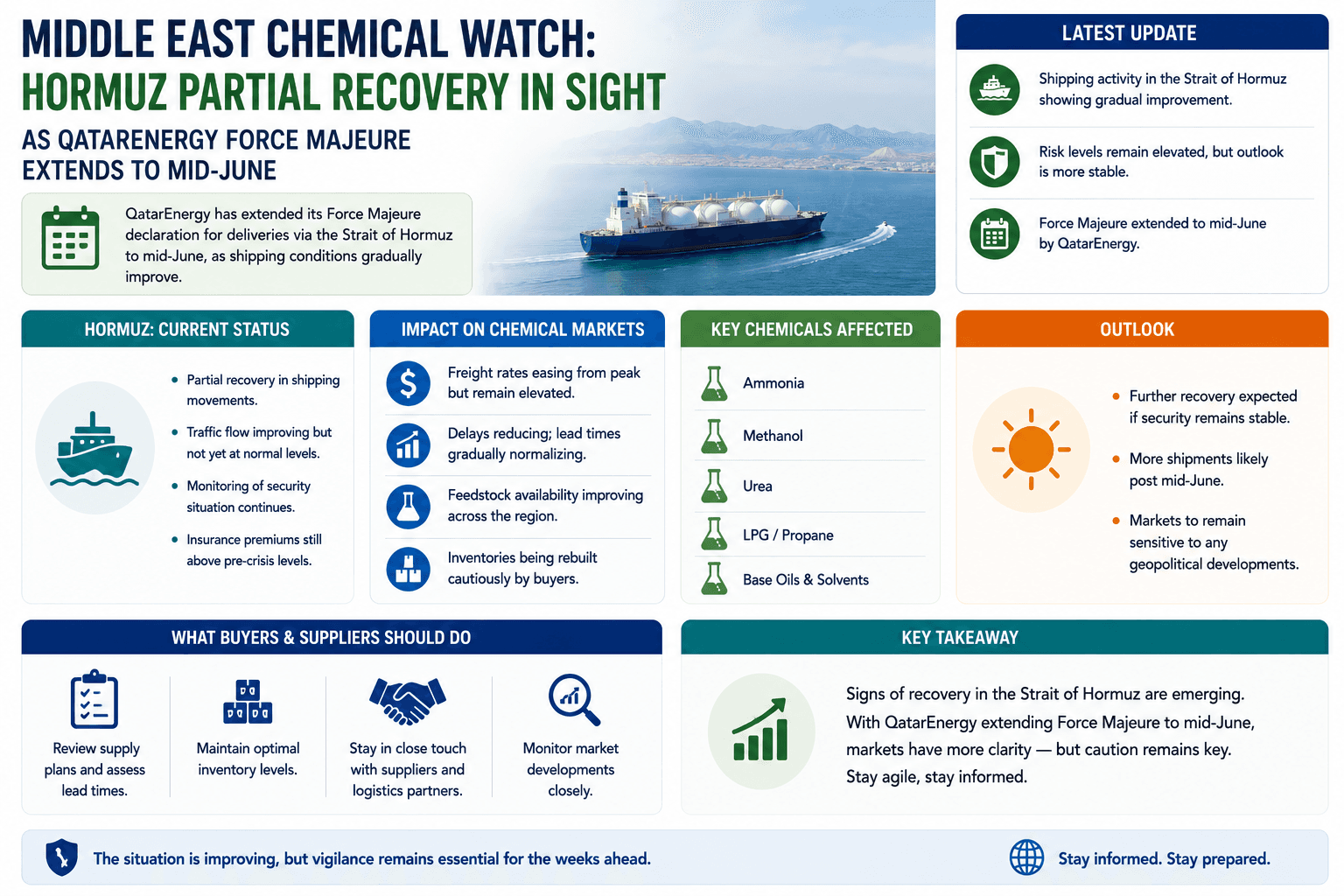
Middle East chemical supply recovery after the Hormuz crisis will likely take far longer than expected. With QatarEnergy extending force majeure and ICIS forecasting a 12–18 month normalization period, buyers should prepare for prolonged pricing pressure through H2 2026.
The 2026 Iran War and Hormuz disruption has fundamentally reshaped competitive positioning among the world's top petrochemical companies.
The Hormuz conflict has delayed major green ammonia projects in the UAE, Saudi Arabia, and Oman, forcing global energy markets to reassess hydrogen export timelines. The pace of Gulf recovery will heavily influence green ammonia growth between 2026 and 2030.

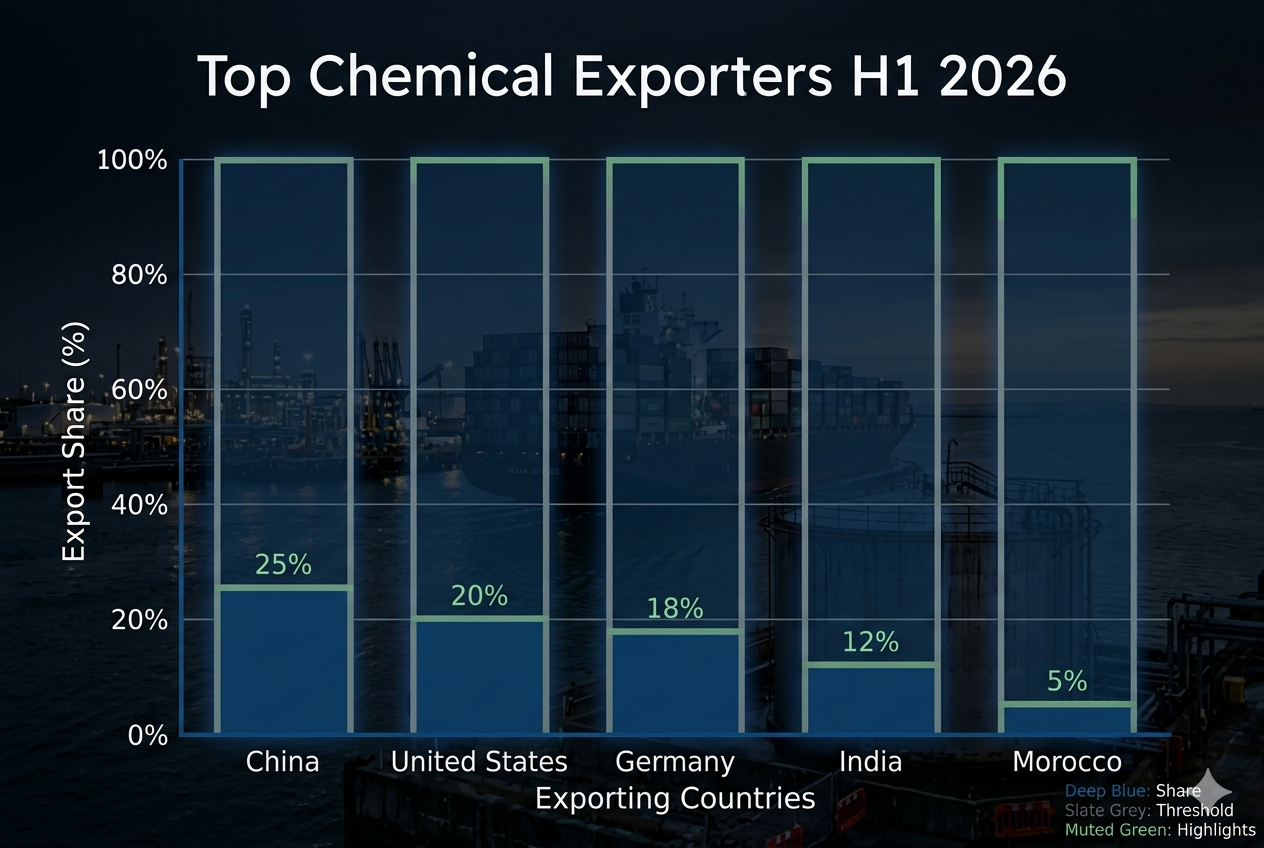
The 2026 supply shock has left the chemical industry split like a cracked globe—one side glowing with opportunity, the other darkening with risk. From the Hormuz crisis to Chinese exports, US producers and specialty chemists are navigating a rapidly shifting landscape. Discover who’s thriving and who’s lagging.
We're committed to your privacy. Tradeasia uses the information you provide to us to contact you about our relevant content, products, and services. For more information, check out our privacy policy.