
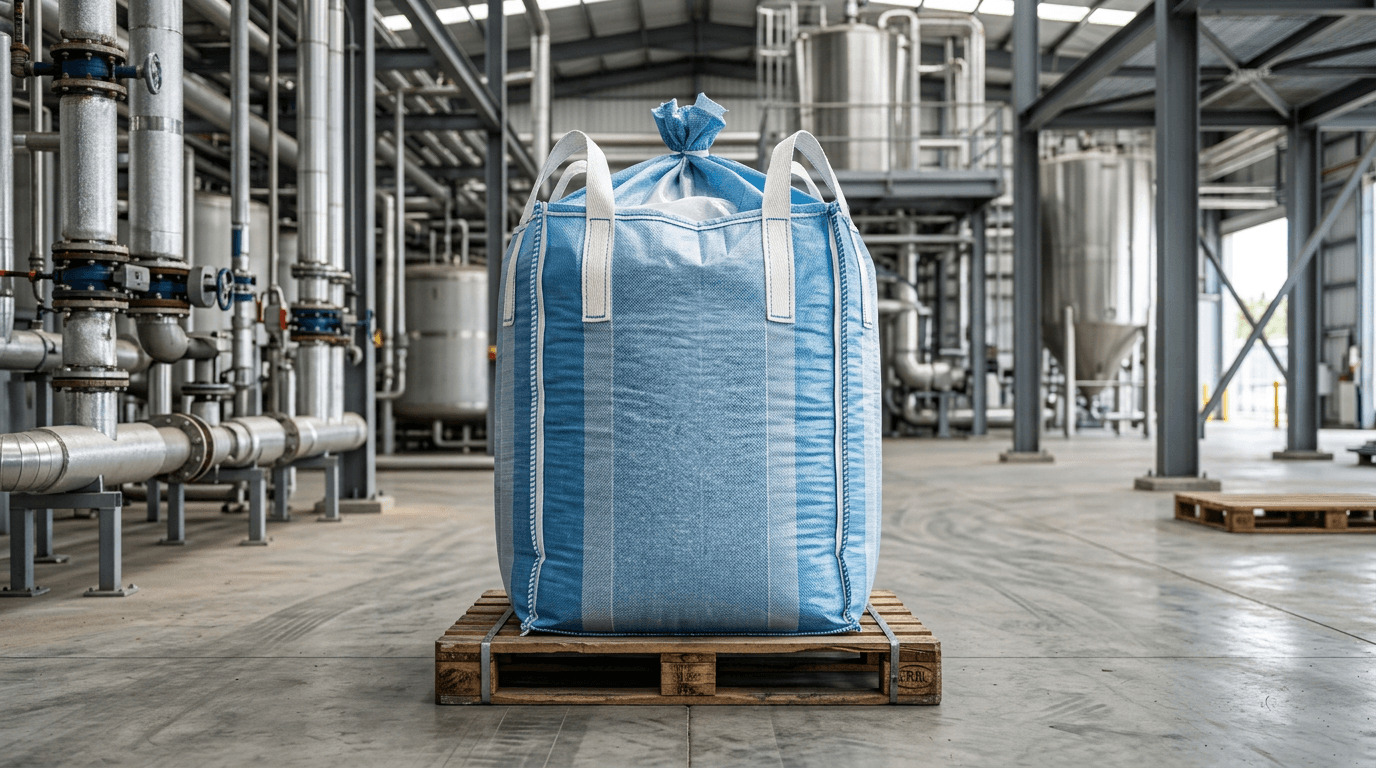
Calcium Propionate (E282) CAS: 4075-81-4
Calcium Propionate (E282) CAS: 4075-81-4
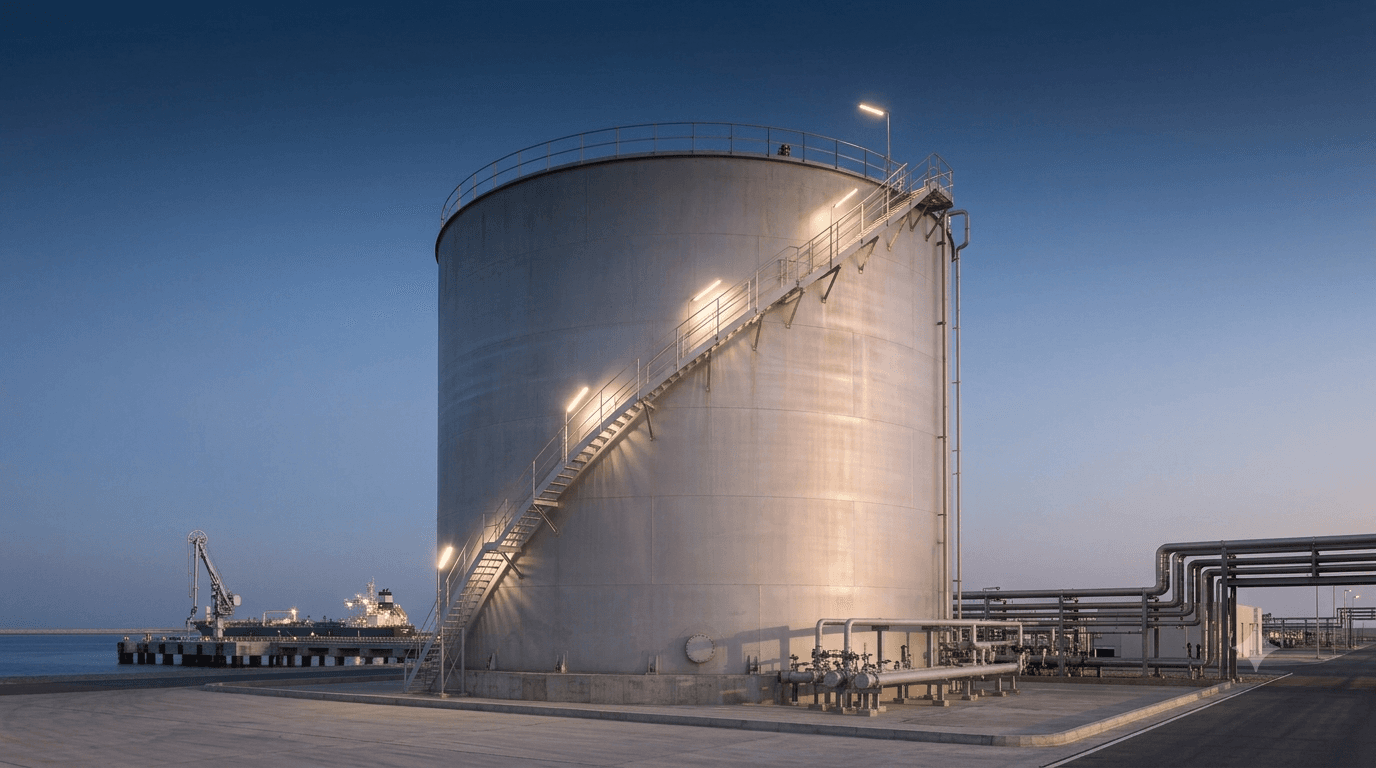
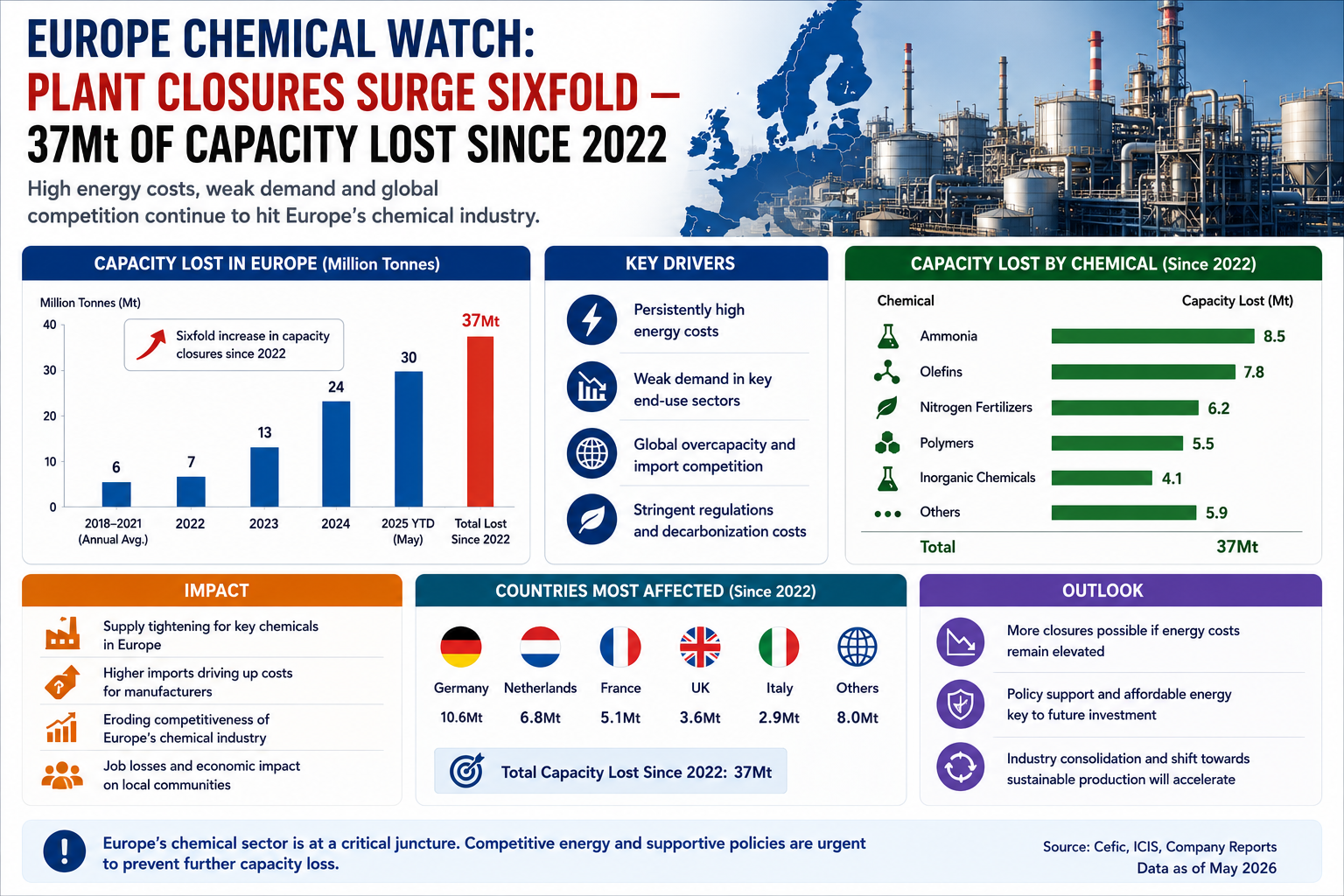
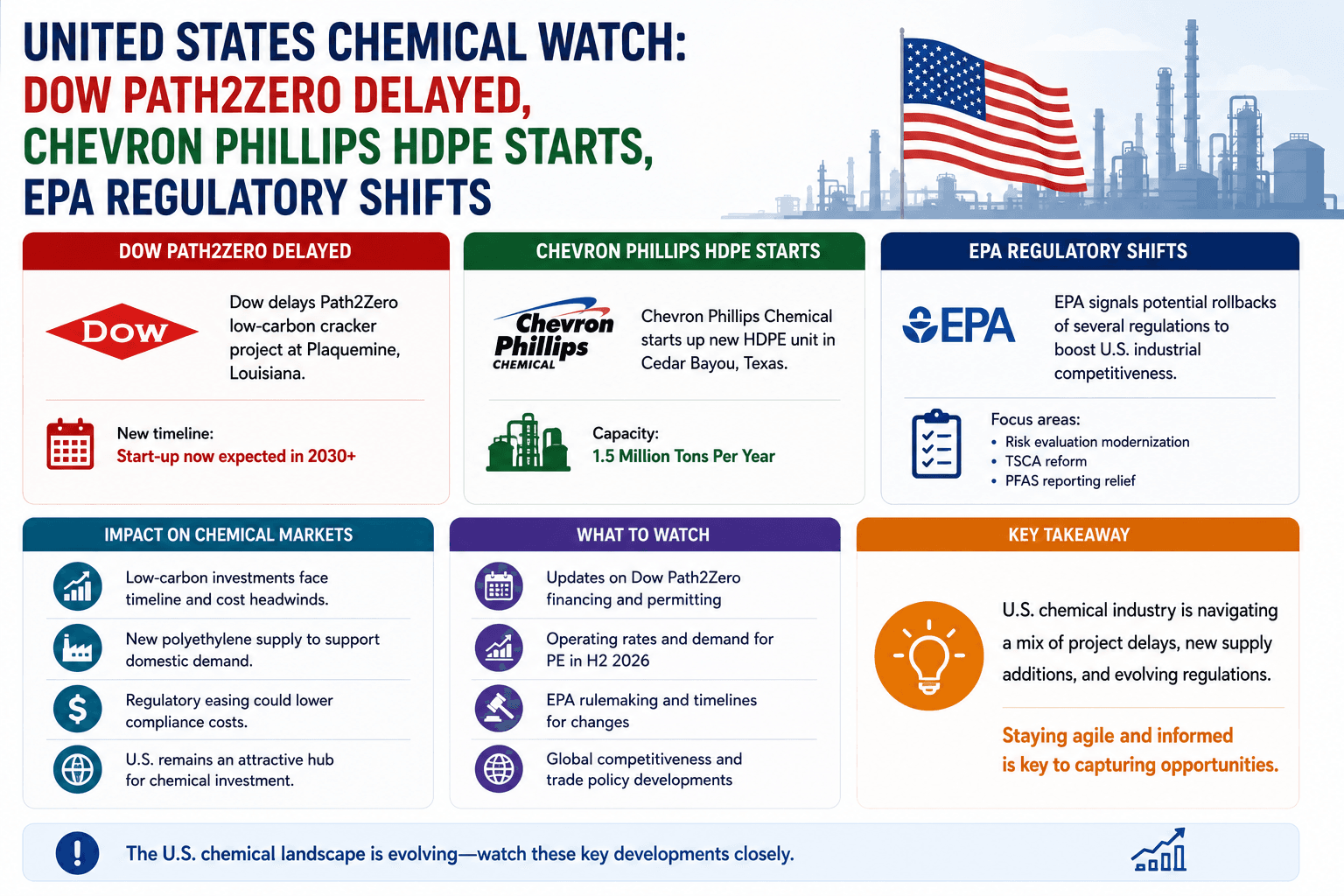
Thailand's emergency fuel export ban highlighted how government intervention can rapidly disrupt downstream chemical supply chains. Procurement teams that rely on Thai petrochemical exports can use this case to strengthen sourcing strategies and reduce exposure to sudden market shocks.

China's chemical industry ended H1 2026 as the world's primary swing supplier, filling supply gaps created by disruptions in Gulf exports. As Middle Eastern production steadily returns, procurement teams must determine which Chinese export advantages remain permanent and which were driven by exceptional market conditions.
July 1, 2026 brings major changes for ethanol and solvent buyers as India’s duty waiver expires while lower crude prices improve production economics across Asia. This analysis explains how procurement teams can prepare for H2 2026 sourcing decisions.
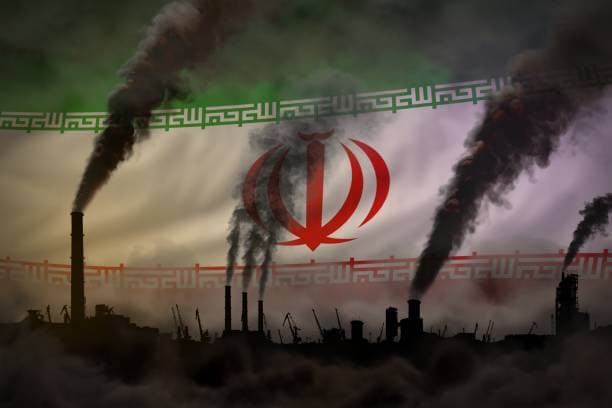
In 2026, Iran’s petrochemical industry suffered a catastrophic 85% loss of production capacity due to sanctions and internal conflicts. The collapse threatens global methanol supply, disrupts Middle East petrochemicals, and forces exporters to seek new markets. Read on for a deep dive into reconstruction challenges and supply chain implications.
China’s tightening export controls on herbicides and pesticides have triggered a ripple effect across the global agrochemical market. Producers and buyers are now diversifying sourcing strategies and bolstering inventory buffers to navigate emerging supply risks and ensure crop protection continuity.
PVC remains the weakest major polymer market in mid-2026 as construction activity struggles to regain momentum. While supply constraints have eased across Asia, soft converter demand continues to pressure pricing, inventories and procurement strategies.
We're committed to your privacy. Tradeasia uses the information you provide to us to contact you about our relevant content, products, and services. For more information, check out our privacy policy.