
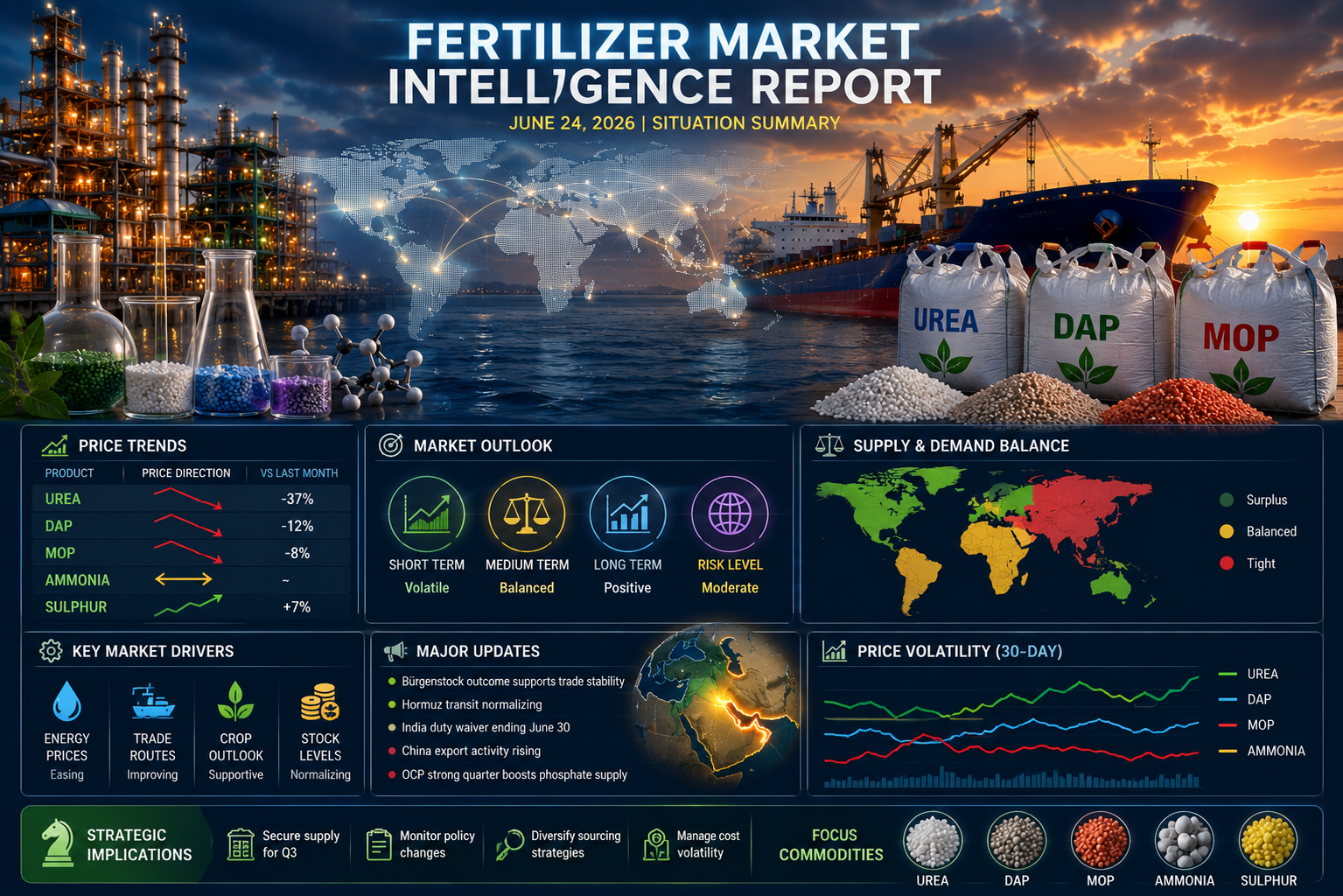
Basic Chromium Sulphate CAS: 10101-53-8
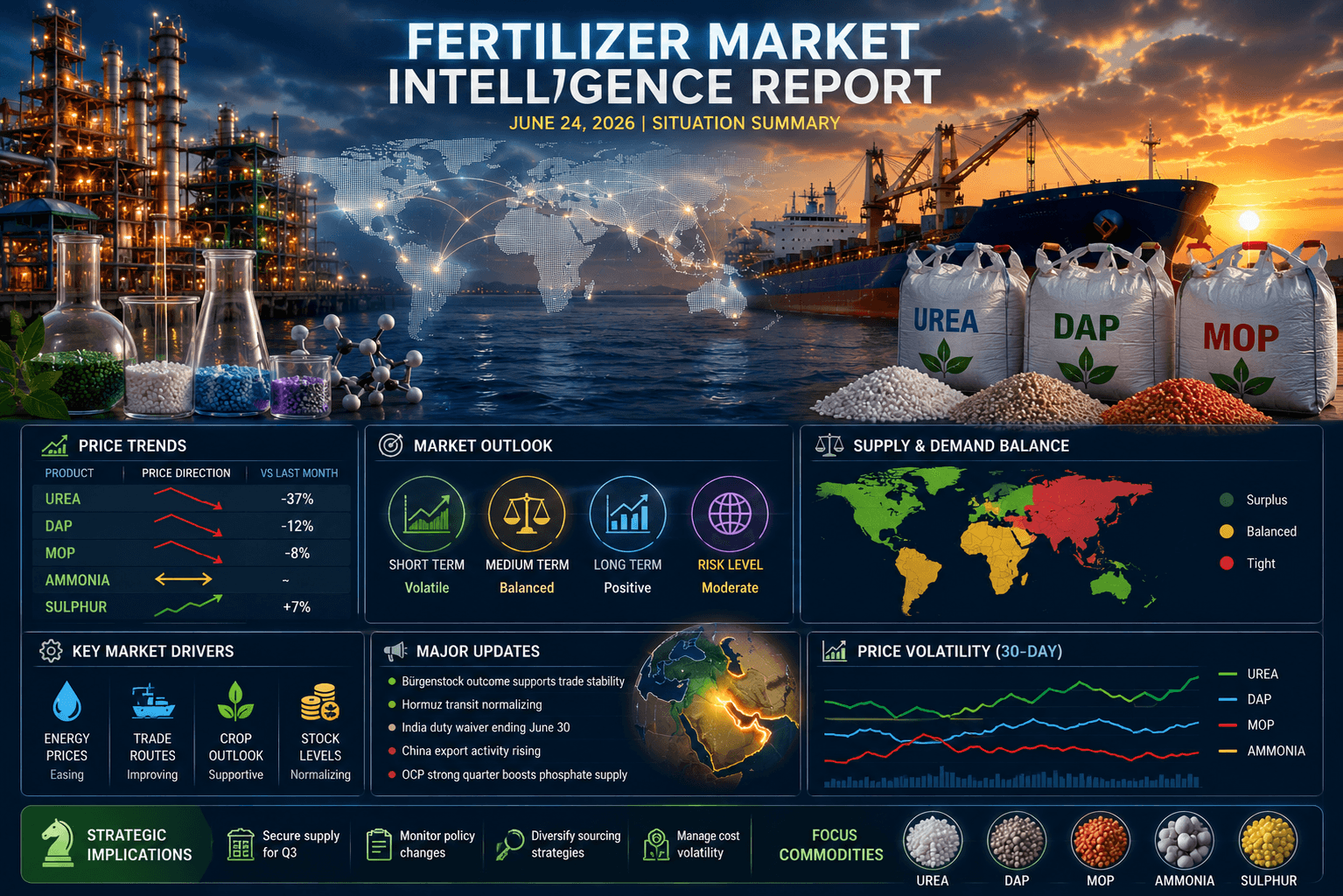
Basic Chromium Sulphate CAS: 10101-53-8
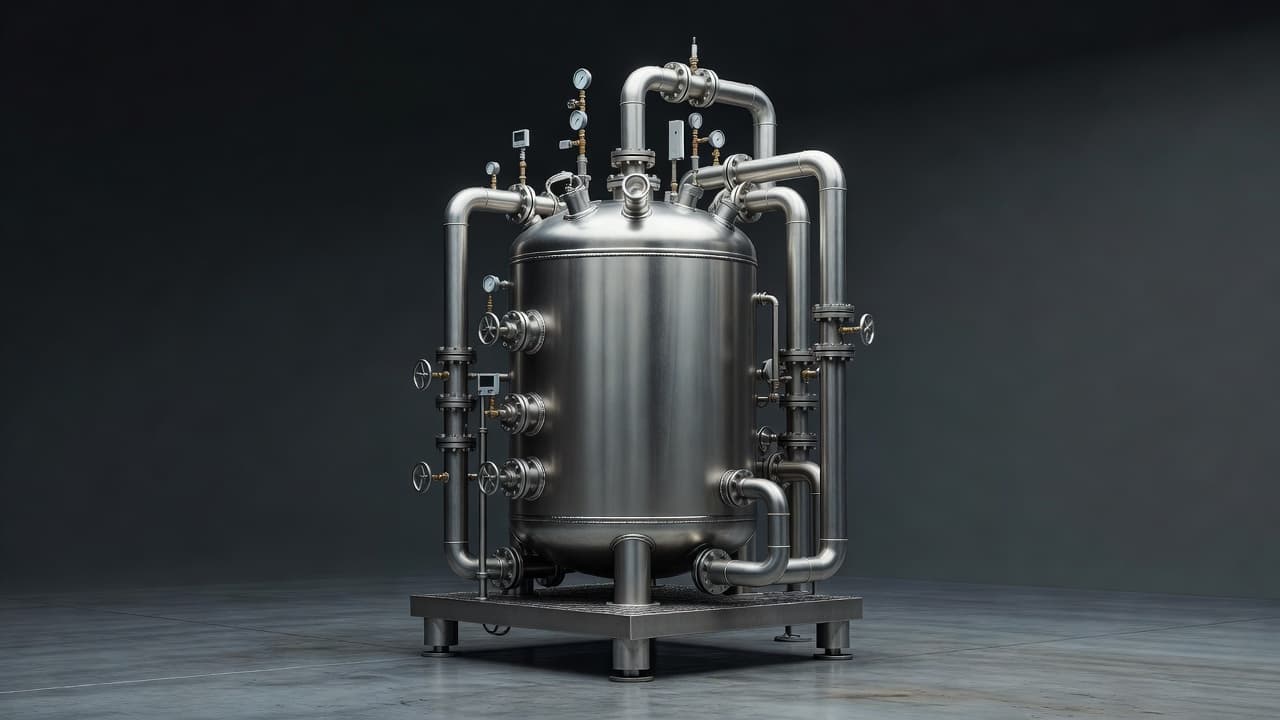
Germany's seasonally adjusted chemical and pharmaceutical production declined 2.8% in the first quarter of 2026 and nearly 6% compared with the previous year. Procurement teams should assess how weaker European output may influence sourcing strategies, inventories and regional supply.
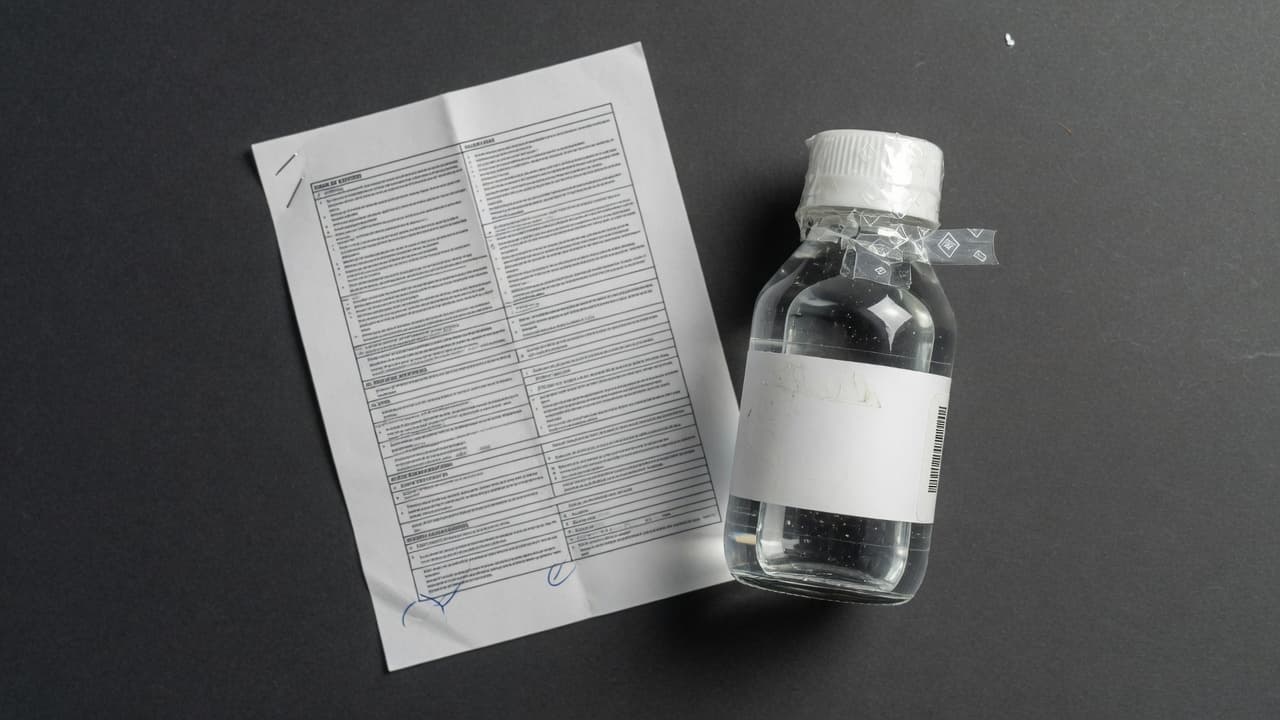
The July 20 PFAS comment deadline is an important milestone, but it is far from the end of the EPA's regulatory process. This guide explains what happens next, why litigation remains likely and how procurement teams should plan for regulatory uncertainty.
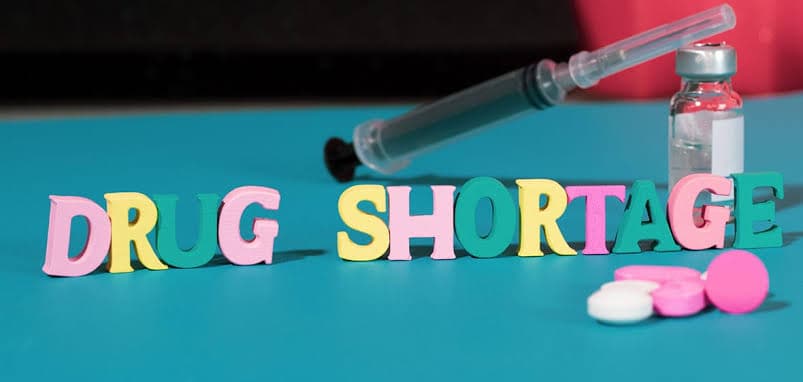
The July 1, 2026 pharmaceutical supply chain review highlights the latest drug shortage risks. While logistics for Indian and Chinese APIs continue improving, critical antibiotics, sterile injectables, and GLP-1 manufacturing inputs remain key procurement priorities.

July 1, 2026 brings major changes for ethanol and solvent buyers as India’s duty waiver expires while lower crude prices improve production economics across Asia. This analysis explains how procurement teams can prepare for H2 2026 sourcing decisions.

Unlike many chemical markets affected by the Hormuz disruption, electronic chemicals remain constrained due to structural semiconductor demand driven by AI and advanced chip manufacturing. Buyers should not expect supply conditions to ease alongside broader chemical markets in H2 2026.
Acetic acid trade flows across Asia are changing rapidly as Chinese exports rise, India's duty exemption nears expiry and Gulf logistics remain constrained. Procurement teams must reassess sourcing strategies before policy and supply conditions shift again.
We're committed to your privacy. Tradeasia uses the information you provide to us to contact you about our relevant content, products, and services. For more information, check out our privacy policy.