
Calcium Chloride (E509) CAS: 10043-52-4
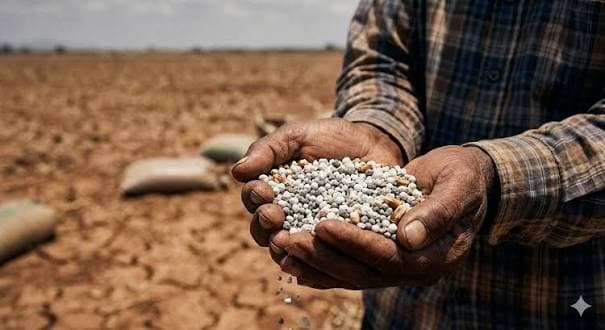
The Kiel Institute’s “Chemical-Food Cascade” framework explains how the 2026 Hormuz crisis is moving beyond chemical supply chains and into food inflation. Fertilizer disruption earlier this year may continue affecting corn, wheat, and sugar-based ingredient costs long after chemical logistics begin recovering.
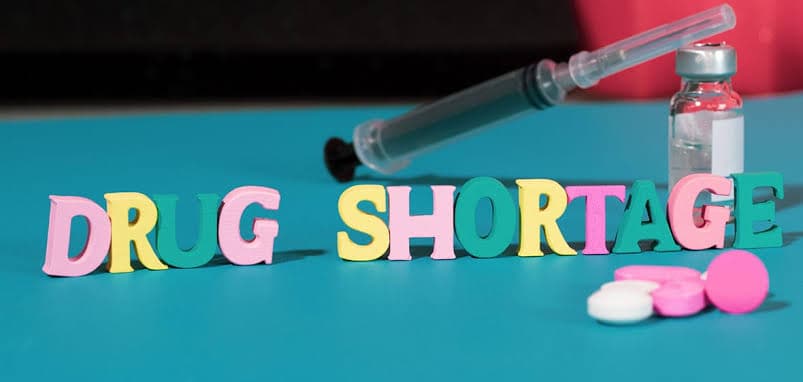
The July 1, 2026 pharmaceutical supply chain review highlights the latest drug shortage risks. While logistics for Indian and Chinese APIs continue improving, critical antibiotics, sterile injectables, and GLP-1 manufacturing inputs remain key procurement priorities.
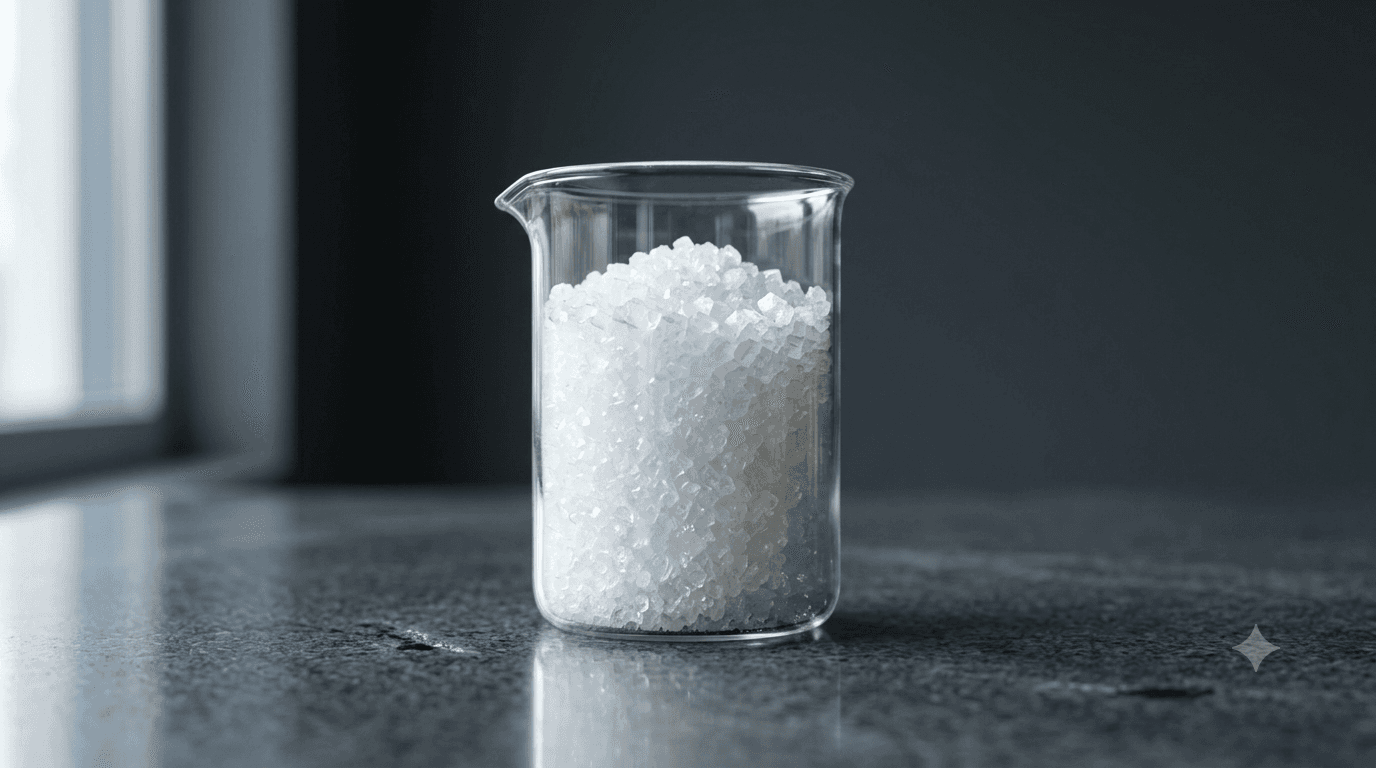
Freight conditions are changing rapidly for global citric acid buyers as shipping routes recover and logistics costs begin to ease. Procurement teams negotiating H2 2026 contracts have a short opportunity to secure improved delivered pricing before freight adjustments spread across the market.
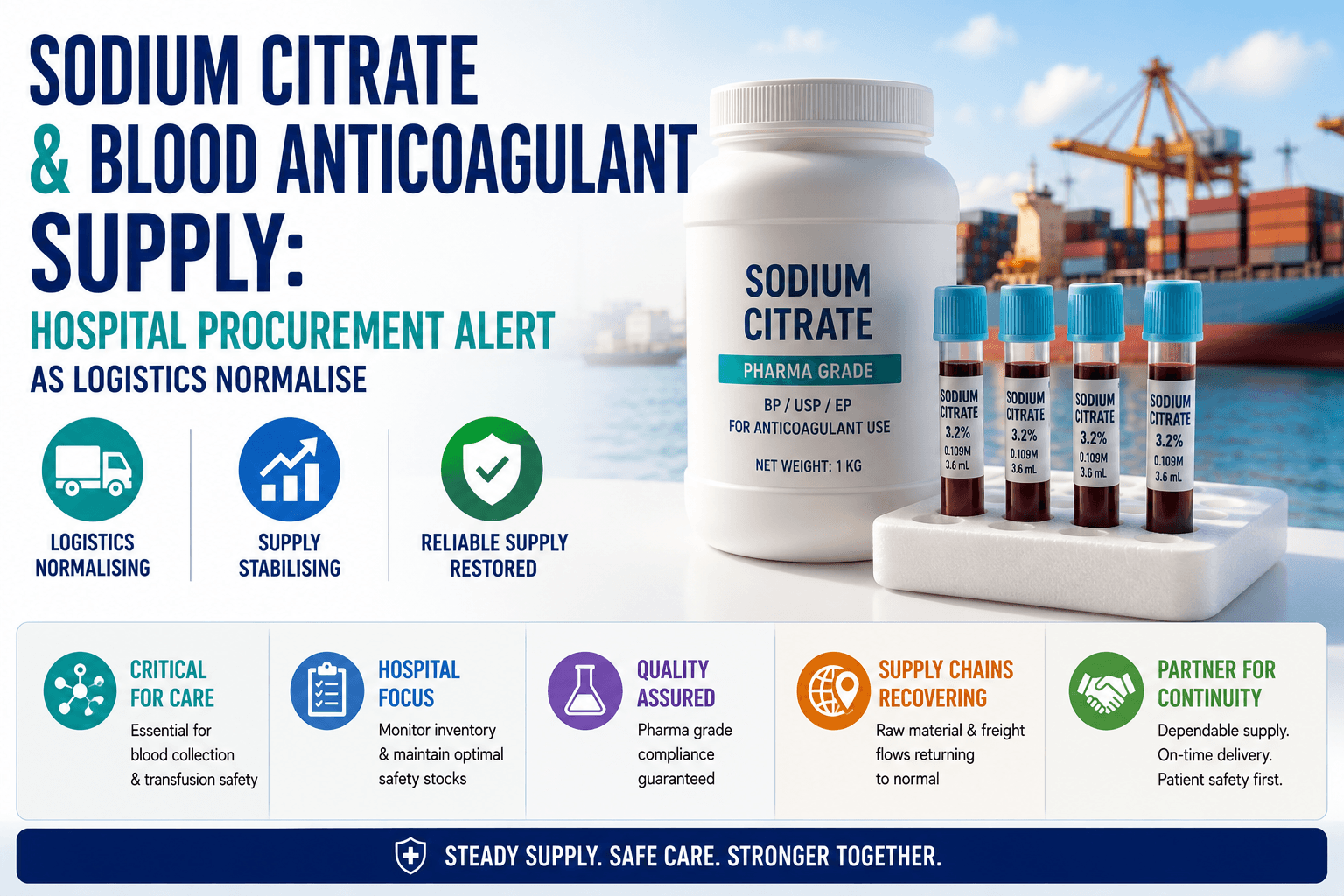
Sodium citrate supply is stabilizing as global logistics recover and freight costs begin easing. Hospital procurement teams should use the next 6–8 weeks to rebuild safety stock levels after months of inventory drawdown during the 2026 supply disruption.
The PE and PP market outlook for 2026 remains shaped by slow supply recovery, ongoing risk premiums and Gulf production constraints after Hormuz disruptions. Buyers should prepare for a longer normalization period instead of expecting immediate returns to pre-crisis pricing.
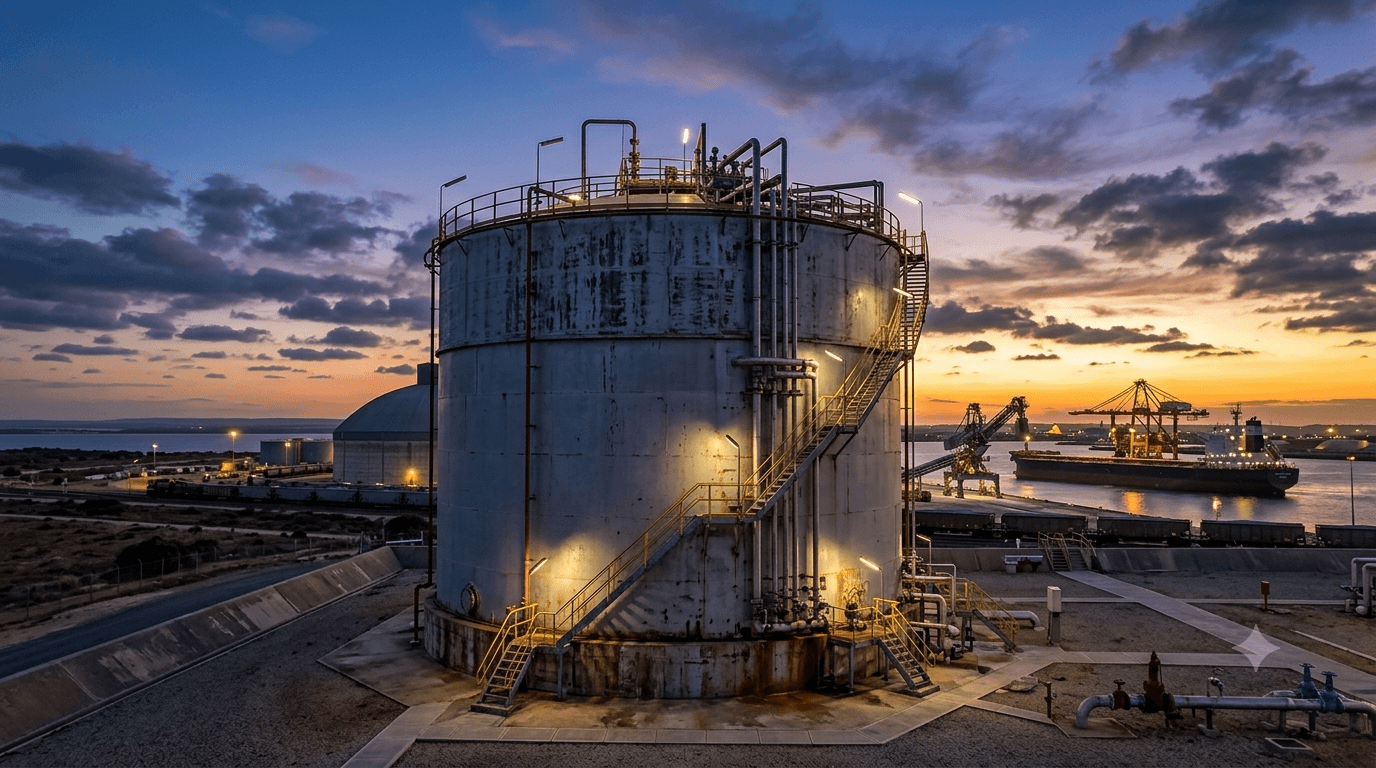
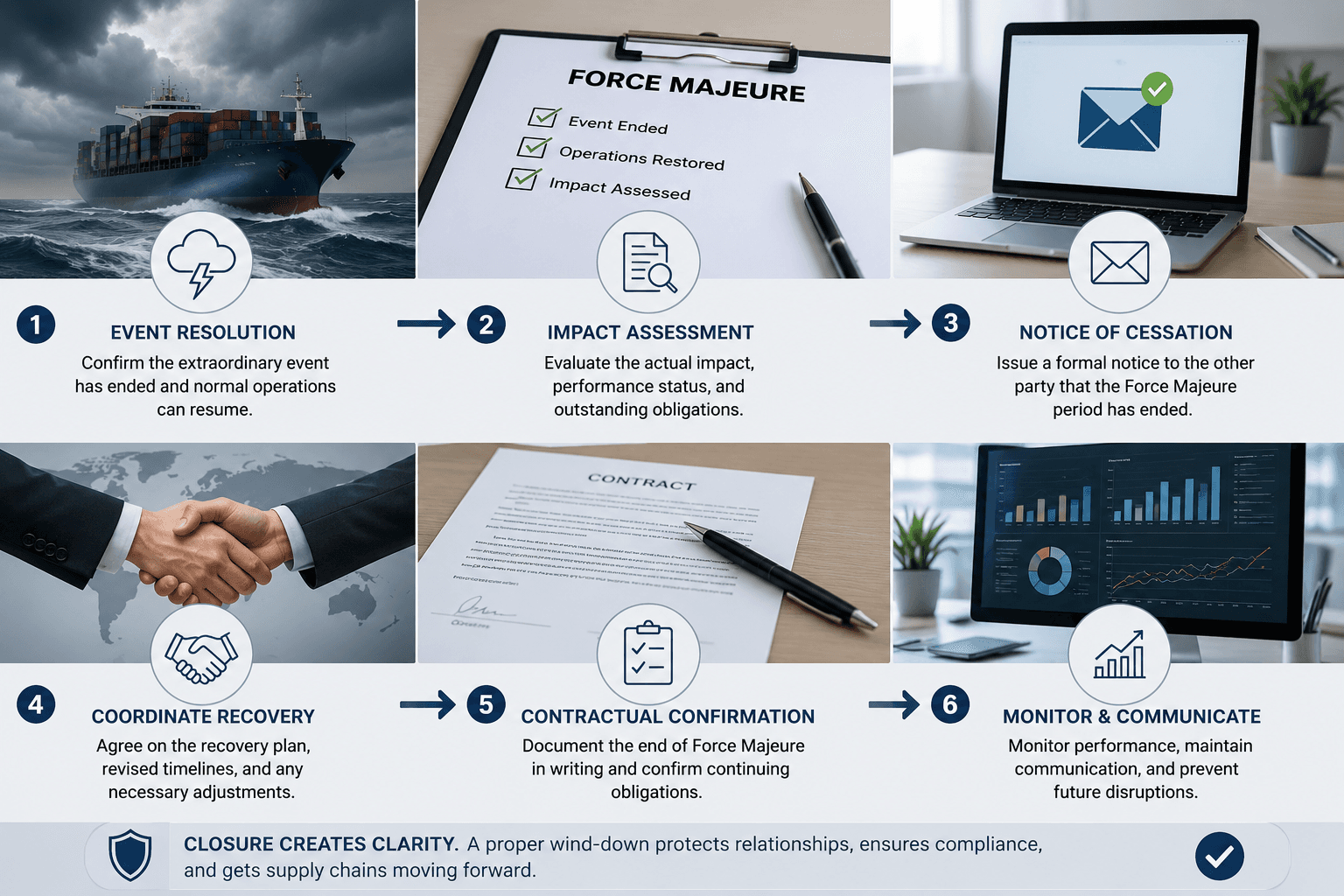
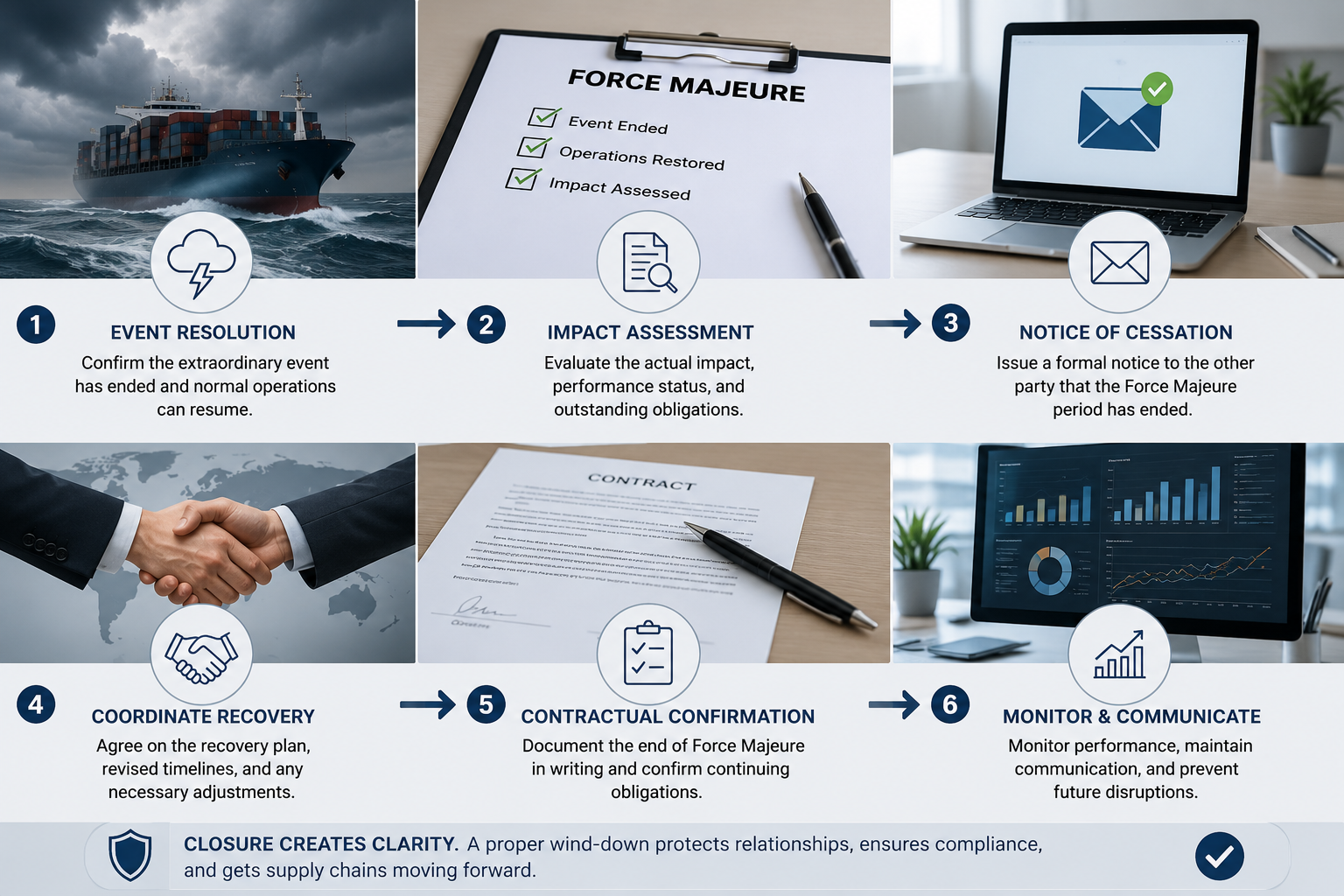
The 2026 Hormuz shock exposed critical procurement risks, reshaping sourcing, inventory, and supplier diversification practices for chemical buyers. Learn how the crisis forced a strategic pivot and what lasting changes are required to safeguard supply chains.
We're committed to your privacy. Tradeasia uses the information you provide to us to contact you about our relevant content, products, and services. For more information, check out our privacy policy.