

Related Insights

Sodium Bicarbonate: Post-Arthur Flood Disruption Could Tighten US Gulf Chemical Distribution
Weather-related disruptions are highlighting the importance of resilient logistics networks for food-grade chemical distribution.
South Korea's Small Cracker Shutdowns: What Asia's Petrochemical Consolidation Means for Buyers
South Korea's planned petrochemical restructuring is expected to close smaller stand-alone naphtha crackers, signalling a broader wave of capacity consolidation across Asia. Procurement teams should assess how fewer production assets may influence polymer supply, feedstock pricing and regional sourcing strategies.
The Global Chemical Downcycle: What “Prioritizing Cash Flow” Really Means for 2026 Output
Chemical companies are entering 2026 with a renewed focus on cash flow, portfolio restructuring and selective investment rather than aggressive expansion. Procurement teams should understand how this strategy could affect production capacity, supplier priorities and long-term supply reliability.
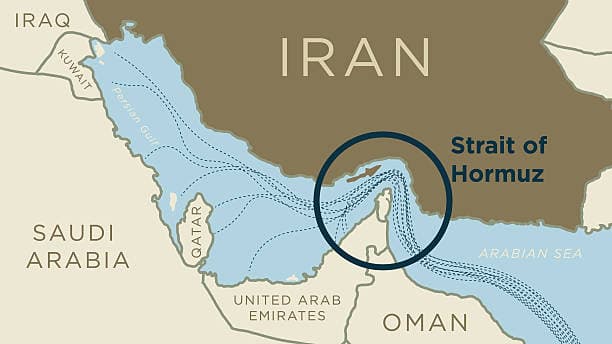
Fresh Clashes Near Hormuz Cut Ship Transits Again, Heightening Maritime Risk
The Strait of Hormuz has seen fresh clashes that are once again cutting vessel transits, disrupting the flow of chemicals and fertilizers. These tensions elevate freight risk and threaten the stability of the global supply chain.
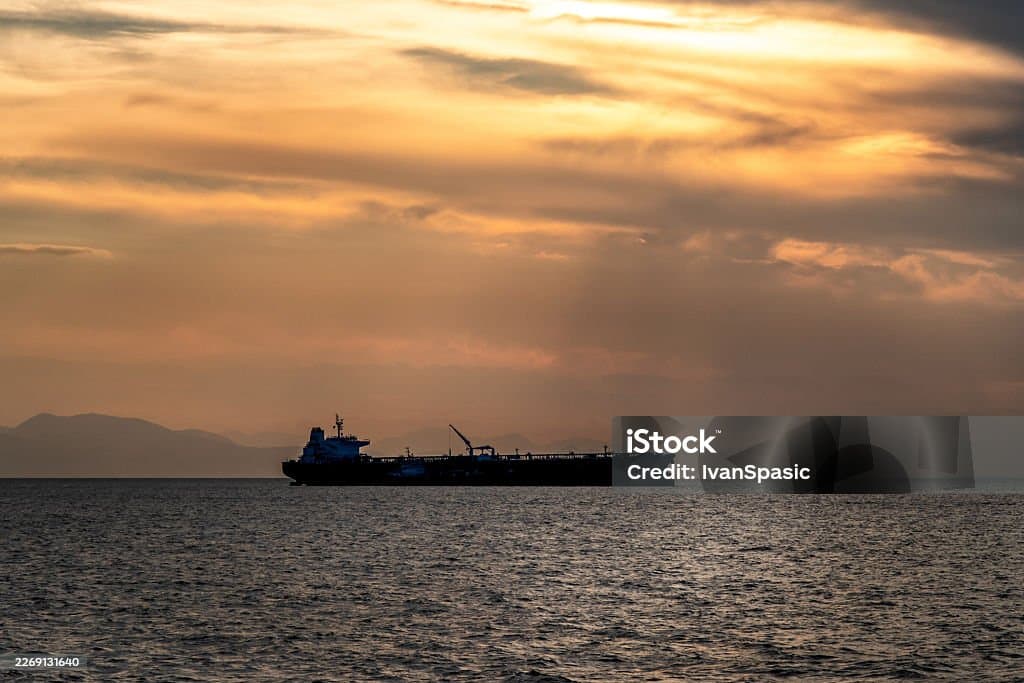
Hormuz Index at 90: Why Supply Chain Risk Remains Elevated Despite Convoy Operations
The recent improvement in convoy operations through the Strait of Hormuz has lowered the Hormuz Index, yet it remains alarmingly high at 90. Supply chain risk is still significant because factors beyond vessel movements—such as geopolitical tensions, port constraints, origination volatility, and cybersecurity threats—continue to loom. Chemical procurement teams must broaden their monitoring scope to stay ahead of these risks.
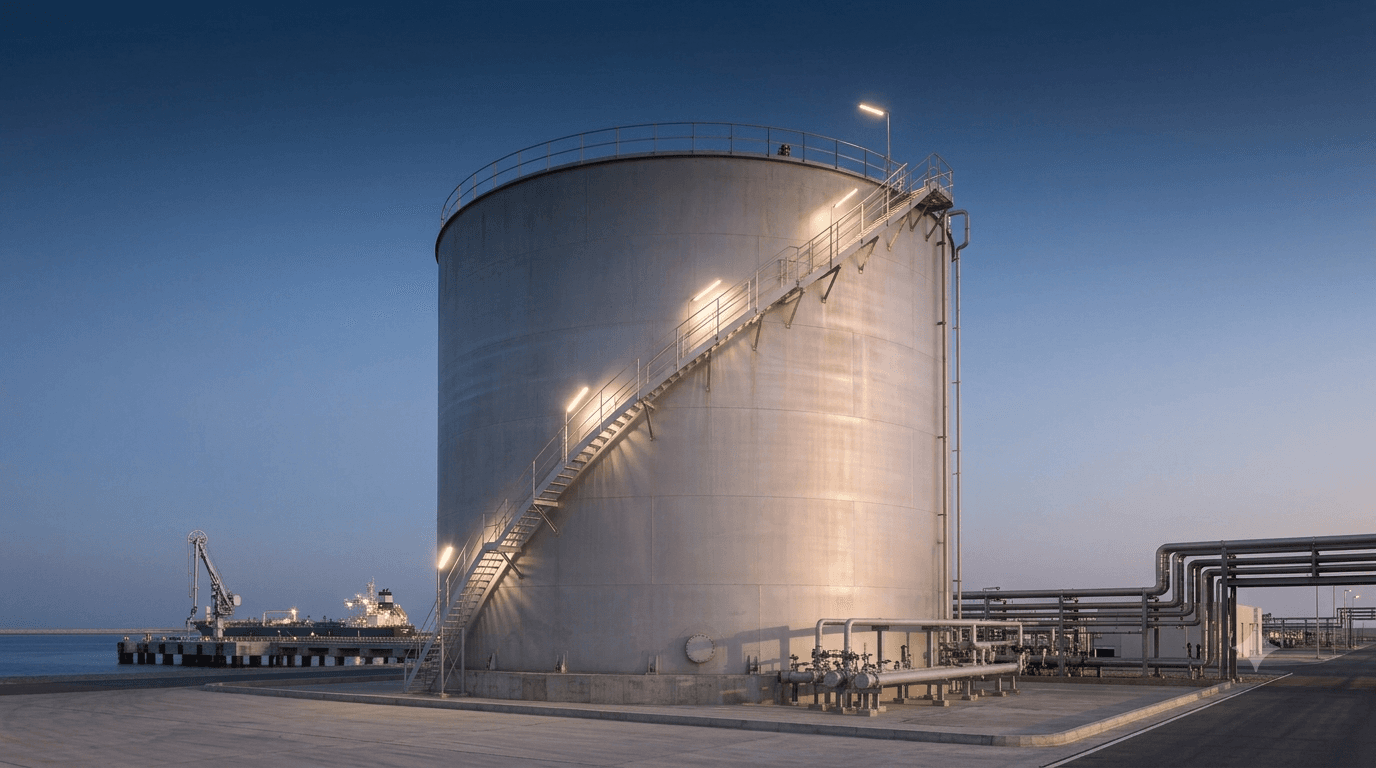
Thailand's Emergency Fuel Export Ban: A Case Study in Downstream Chemical Disruption and Supply Chain Risk
Thailand's emergency fuel export ban highlighted how government intervention can rapidly disrupt downstream chemical supply chains. Procurement teams that rely on Thai petrochemical exports can use this case to strengthen sourcing strategies and reduce exposure to sudden market shocks.
Don't miss out on our updates! Subscribe to our newsletter now
We're committed to your privacy. Tradeasia uses the information you provide to us to contact you about our relevant content, products, and services. For more information, check out our privacy policy.