
Biotin CAS: 58-85-5

Biotin CAS: 58-85-5

The IMF's April 2026 Regional Economic Outlook highlights the strategic importance of the Strait of Hormuz to global oil, helium, sulfur, ammonia and petrochemical feedstock flows. Chemical procurement teams can use this multilateral data to strengthen supply chain risk assessments and executive decision making.

This week's specialty chemical intelligence highlights five procurement priorities, from supply chain resilience and helium planning to LABSA sourcing, biosurfactants, and regulatory readiness.
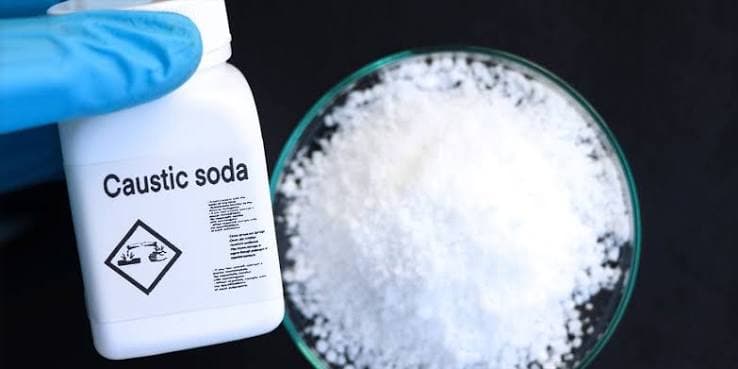
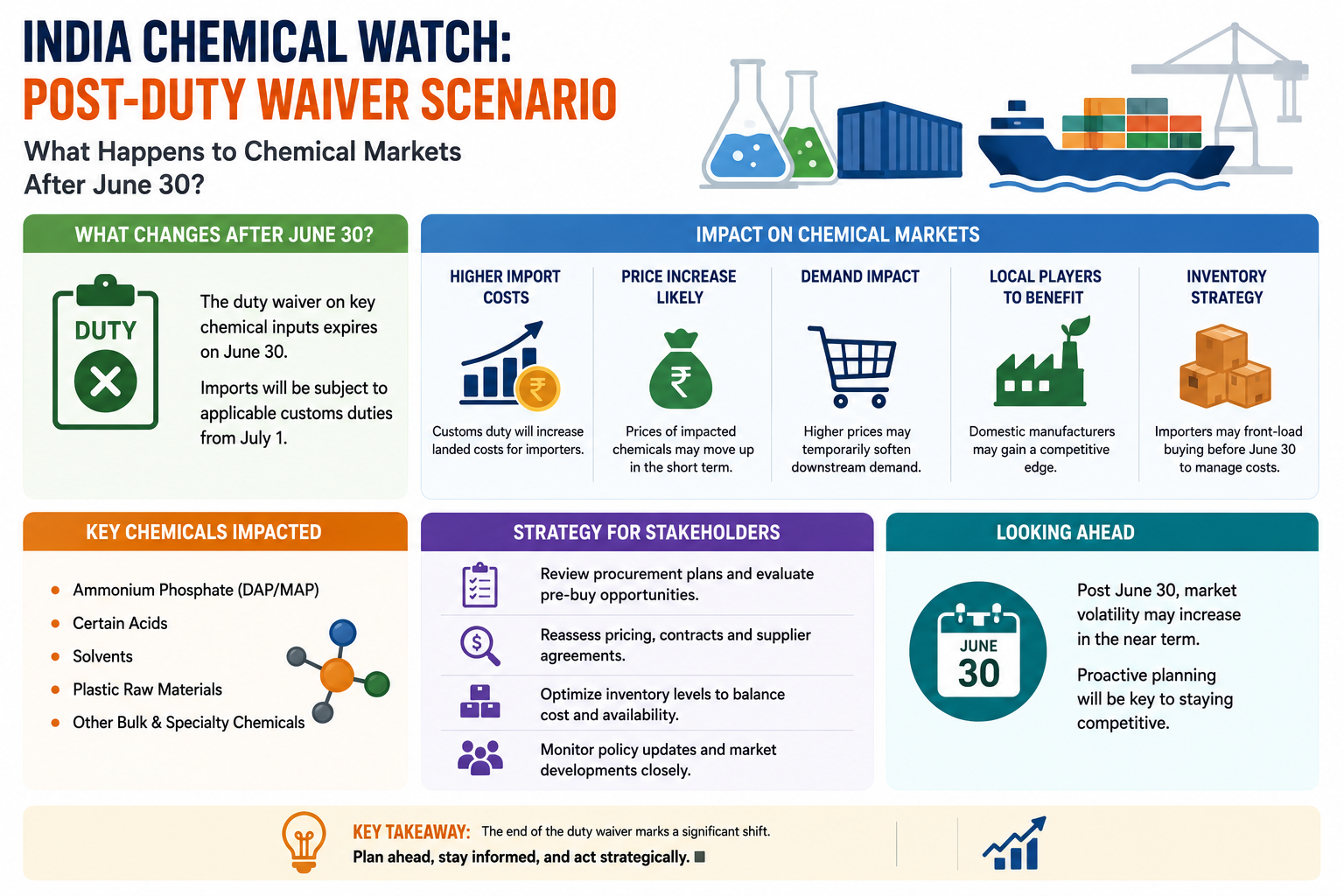
July 2026 is reshaping the chlor-alkali market as Gulf producers begin restoring caustic soda exports while India reinstates import duties after ending its emergency waiver. Procurement teams across Southeast Asia should immediately reassess sourcing strategy as regional supplier competitiveness enters a new phase.
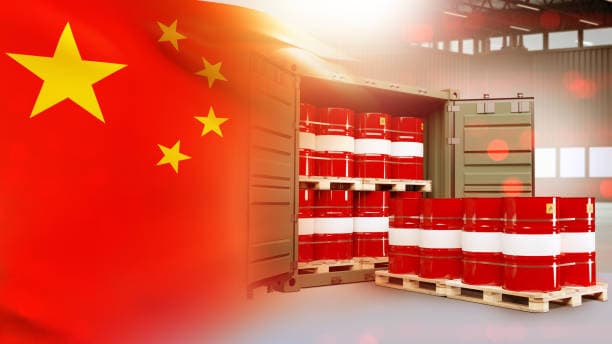
China’s urea export limits and aggressive methanol-to-olefins (MTO) rates set the stage for 2026 chemical flows. July pricing decisions will reveal whether China will defend its crisis‑era share or recalibrate toward market balance. Global buyers must watch China’s export strategy closely.
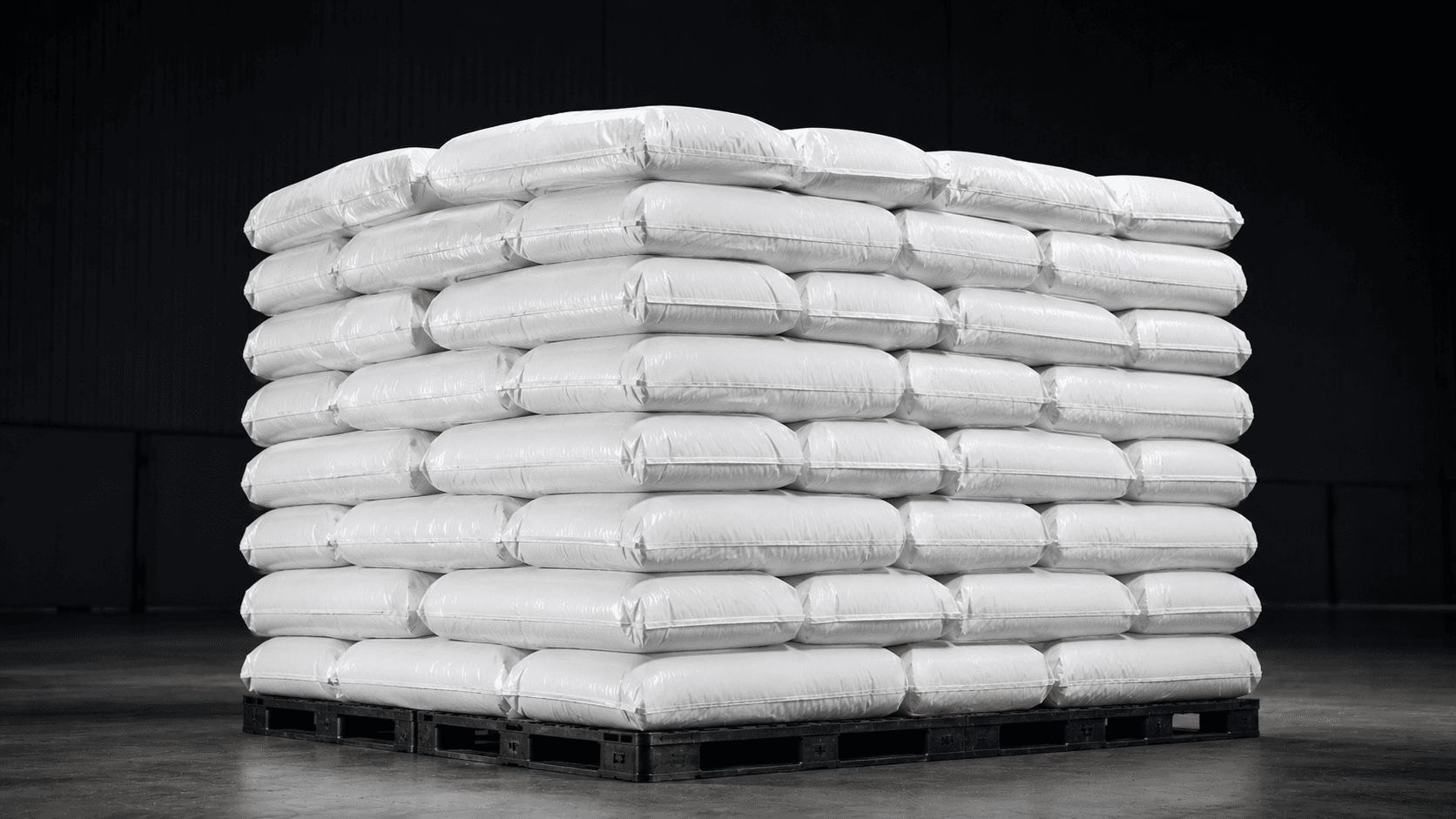
India's downstream petrochemical manufacturers enter July with a new cost structure as import duties return across key raw materials. This analysis explains how the reinstated duties affect plastics, textiles, pharmaceuticals and procurement strategies while lower crude prices help soften the overall impact.

The week spanning June 30 to July 7 could become one of the most important trade policy periods of 2026 for chemical buyers, with simultaneous developments in India, the European Union and the United States reshaping procurement decisions.
We're committed to your privacy. Tradeasia uses the information you provide to us to contact you about our relevant content, products, and services. For more information, check out our privacy policy.