
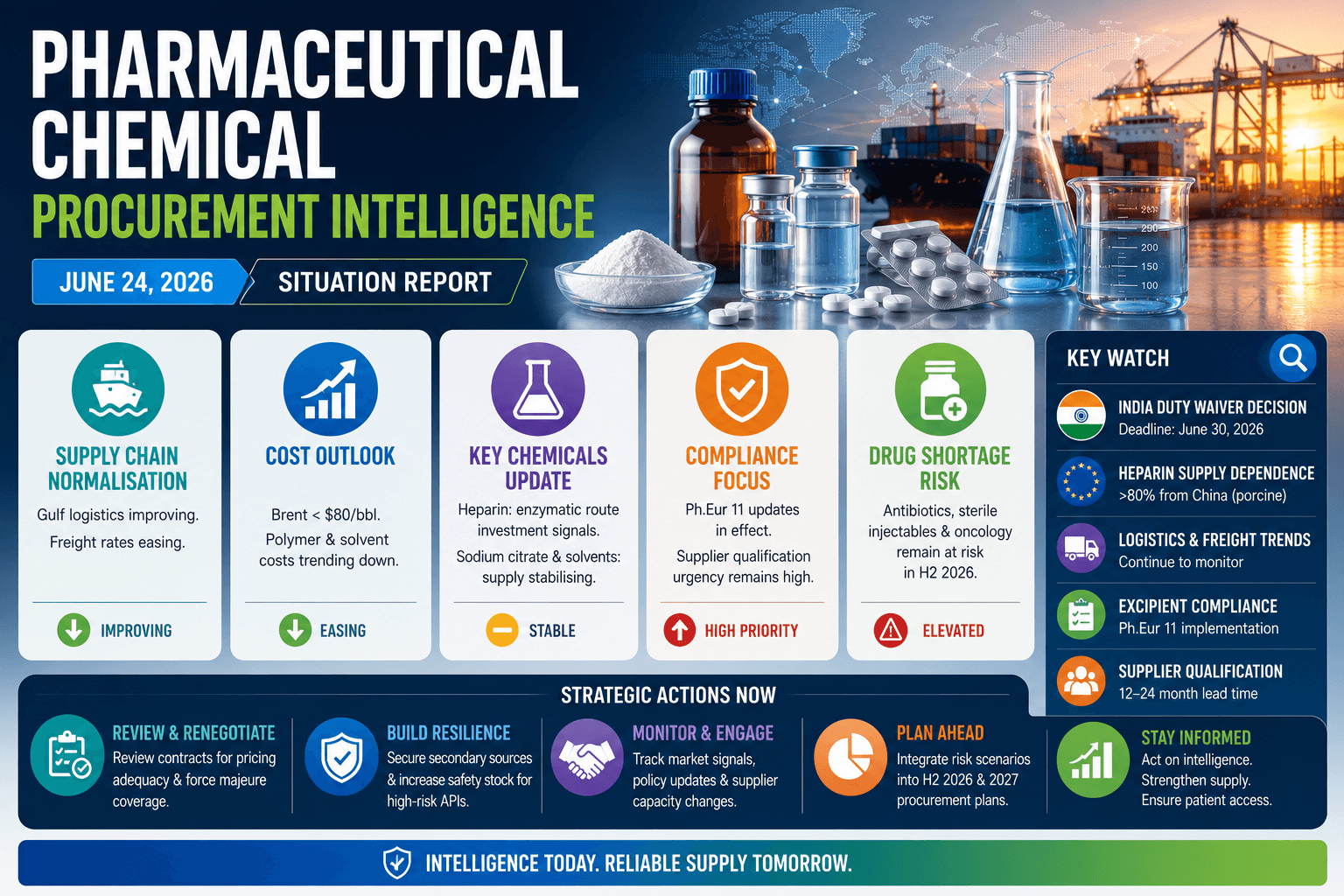
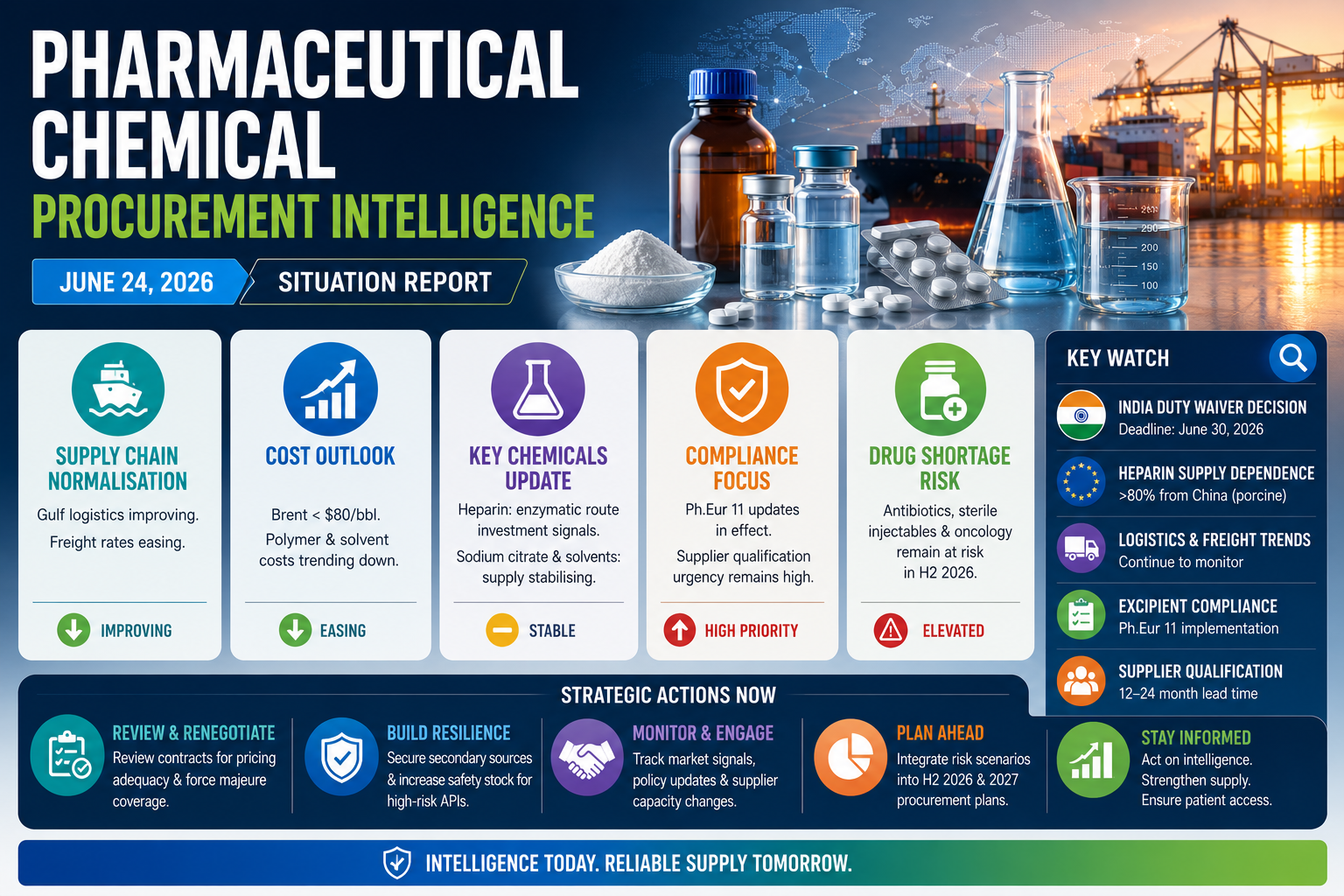
Related Insights

Solstice‑Element Solutions Deal: How Logistics and Supply‑Chain Docs Will Shift
The recent Solstice acquisition of Element Solutions brings sweeping changes to chemical shipping documentation, emergency response protocols,hra regulatory compliance, and procurement processes. This article breaks down the implications for logistics professionals, supply‑chain managers, and legal teams navigating the ownership transition.

TSCA Cybersecurity and Chemical Plant Reporting: The Iranian PLC Advisory's Compliance Implications
Cybersecurity is increasingly intersecting with environmental compliance and operational governance in the chemical industry. Understanding how cyber risk influences facility compliance helps procurement, sustainability and regulatory teams strengthen supplier oversight.
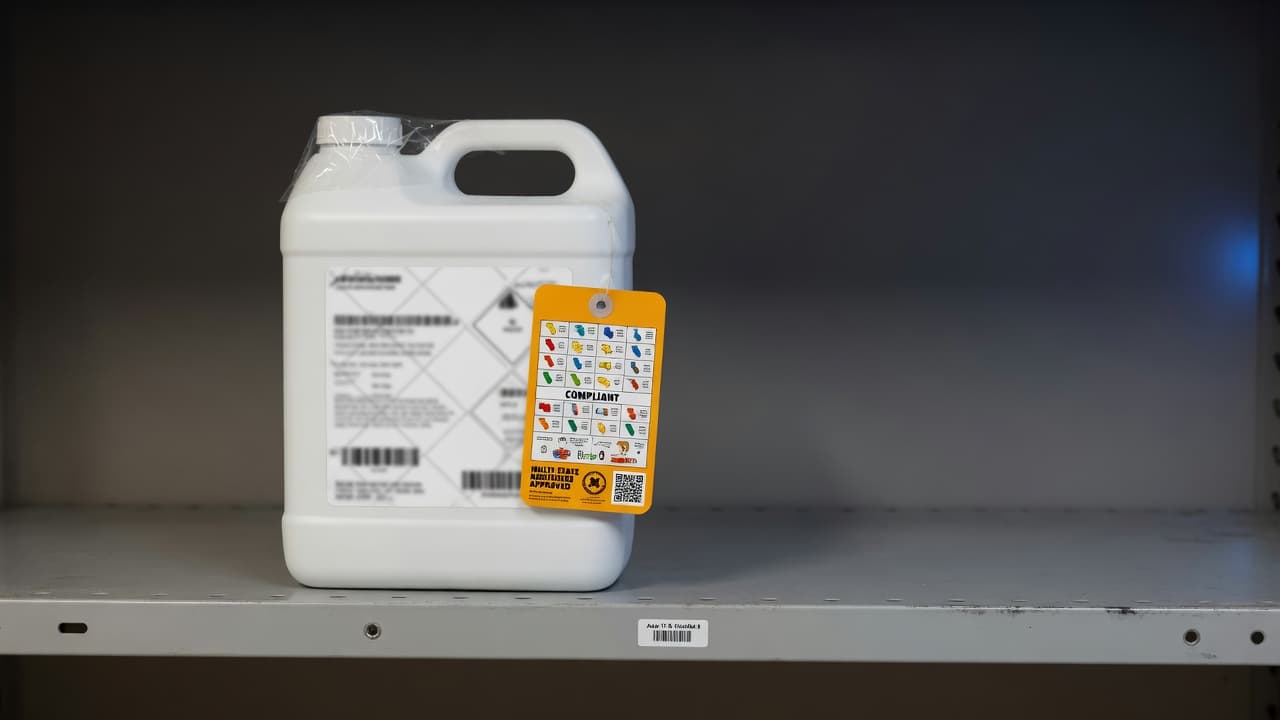
State PFAS Laws and the Federal Patchwork: What Multi-State Chemical Companies Must Manage
State PFAS regulations continue to evolve across the United States, creating new compliance challenges for manufacturers, distributors and procurement teams. This guide explains how differing state requirements affect companies selling PFAS-containing products across multiple markets.
Hormuz Index at 90: Why Supply Chain Risk Remains Elevated Despite Convoy Operations
The recent improvement in convoy operations through the Strait of Hormuz has lowered the Hormuz Index, yet it remains alarmingly high at 90. Supply chain risk is still significant because factors beyond vessel movements—such as geopolitical tensions, port constraints, origination volatility, and cybersecurity threats—continue to loom. Chemical procurement teams must broaden their monitoring scope to stay ahead of these risks.

Heparin Q3 Supply Intelligence: Porcine Season, Freight Cost Trends & Procurement Priorities
China’s summer porcine processing season is maintaining a healthy heparin supply, while freight costs are easing. Hospital pharmacies and procurement teams can now focus Q3 planning on logistics, documentation, and future supply trends. This guide outlines key priorities for a secure and cost‑effective heparin supply chain.

Hospital Pharmacy Procurement: H1 Closing Review and H2 Restocking Priorities
Hospital pharmacies are entering H2 2026 with improving supply conditions after months of inventory pressure. Q3 is expected to become the largest pharmaceutical chemical restocking period since before the Hormuz crisis.
Don't miss out on our updates! Subscribe to our newsletter now
We're committed to your privacy. Tradeasia uses the information you provide to us to contact you about our relevant content, products, and services. For more information, check out our privacy policy.