
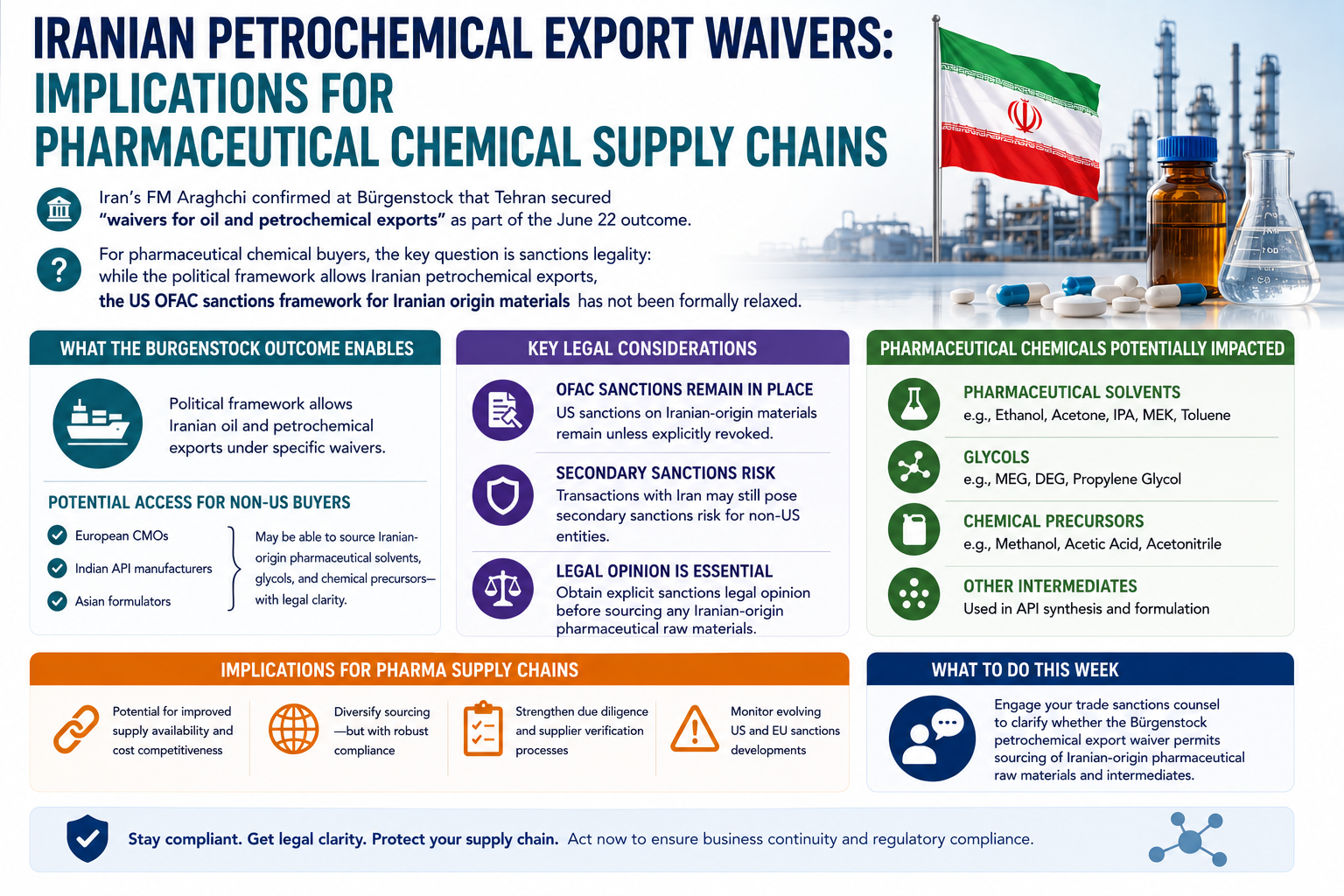
Caprylic Triglyceride CAS: 73398-61-5
Caprylic Triglyceride CAS: 73398-61-5

Escalating geopolitical developments are increasing attention on congressional oversight and the potential for new policy actions. Chemical companies should monitor legislative developments that could influence sanctions, trade regulations and supply chain compliance.
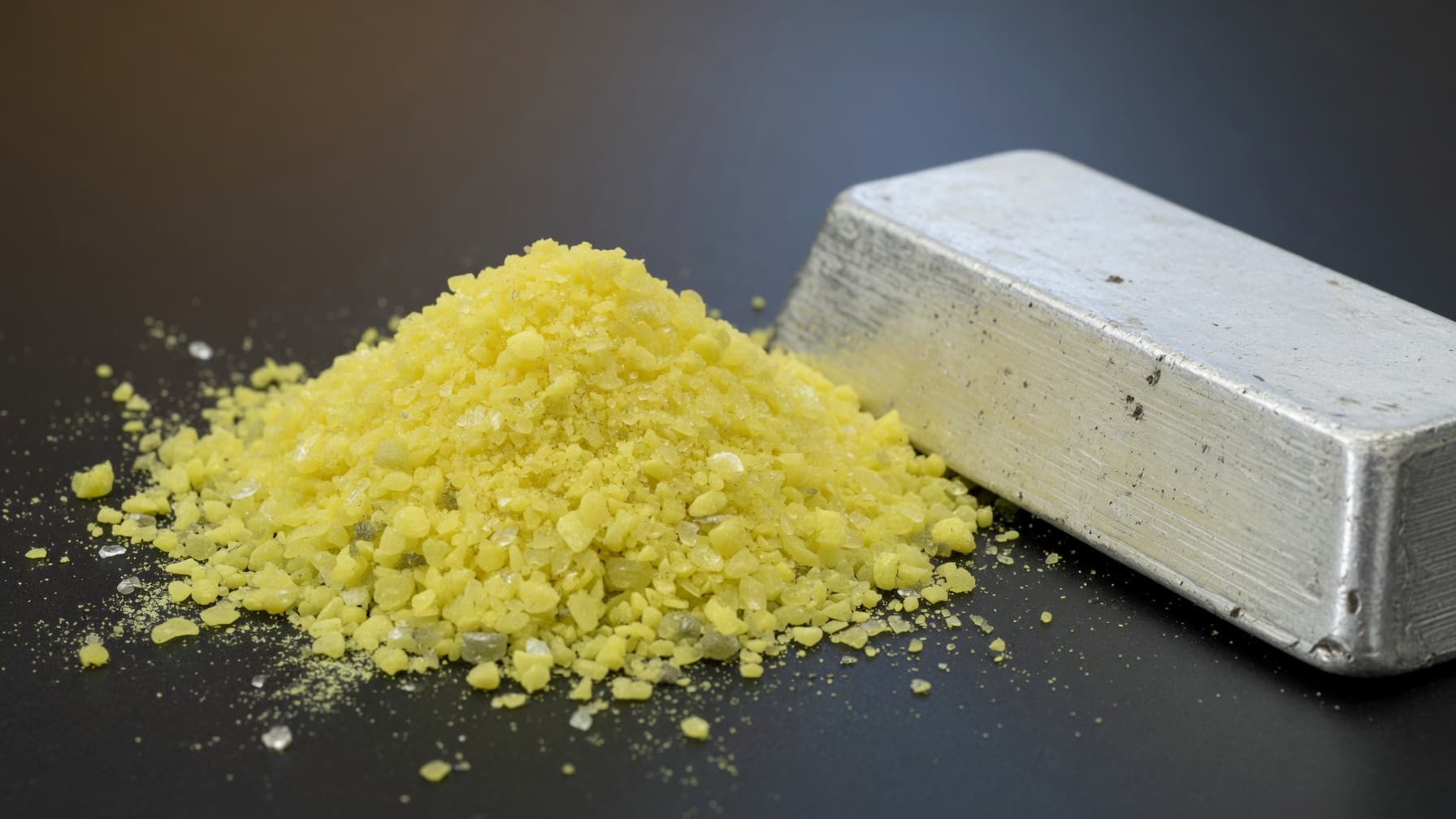
The Strait of Hormuz disruption extends beyond oil markets, affecting sulfur, aluminum, methanol and graphite that support global chemical manufacturing. Procurement teams should reassess sourcing strategies as industrial raw material risks continue to evolve.

The EPA Endangerment Finding reconsideration could reshape the legal foundation of greenhouse gas regulation in the United States. Chemical manufacturers, procurement teams and industrial buyers should understand how this policy shift may influence compliance strategies, investment decisions and future operating costs.
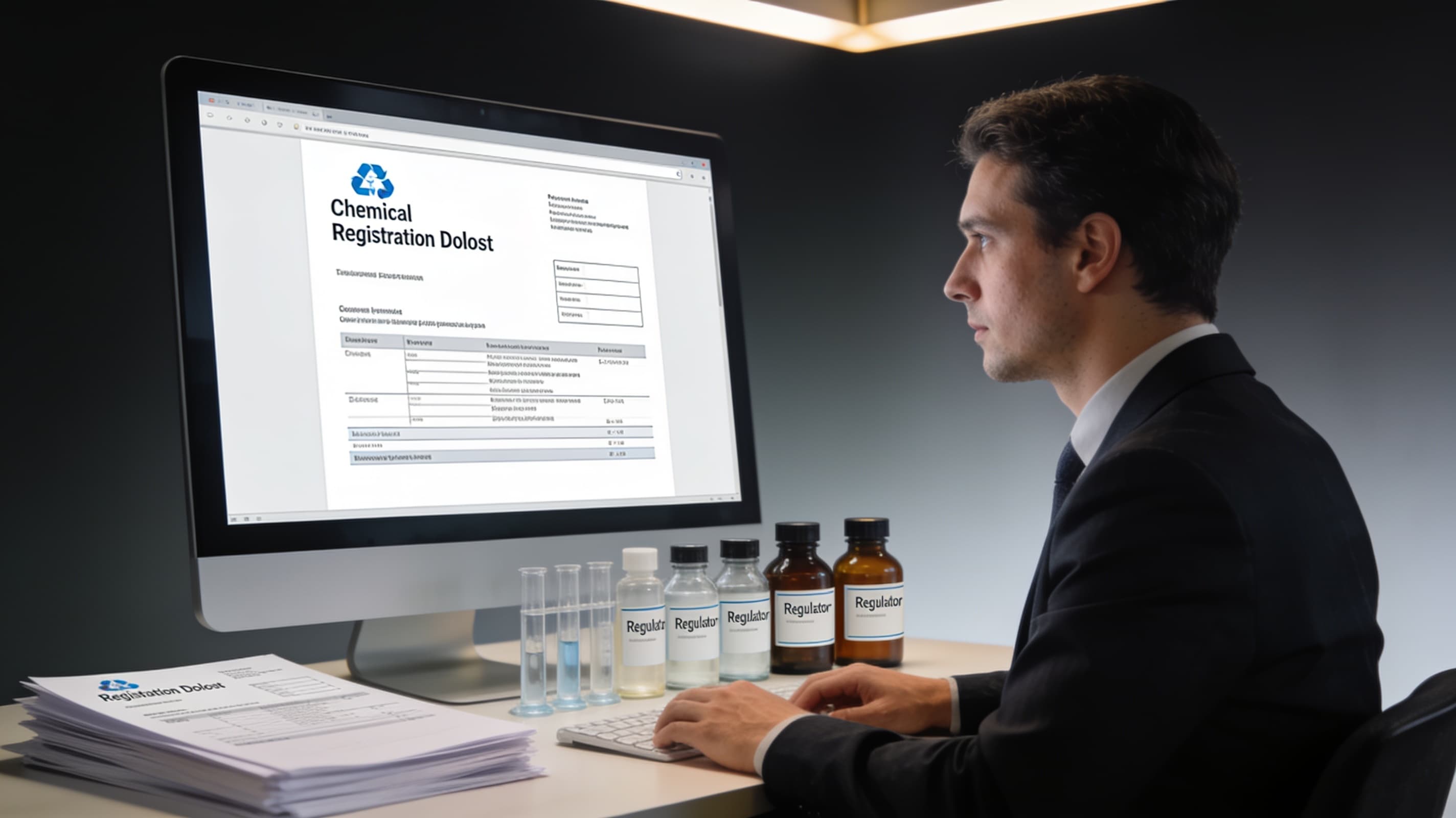
The ECHA REACH registration database is one of the most valuable compliance resources for chemical buyers supplying into the EU. Understanding what information is publicly available can help procurement teams verify registrations, assess supplier compliance and reduce regulatory risk.

Asian petrochemical producers are reshaping their naphtha sourcing strategies after major supply disruptions exposed concentration risks. This analysis explains why diversified procurement has become a long-term competitive advantage for buyers across the region.

The July–August 2026 SVHC update by ECHA is the most significant regulatory change for European chemical buyers this year. Potential additions such as brominated flame retardants, phthalate plasticizers and organotin compounds will trigger immediate compliance obligations. Specialty chemical distributors, manufacturers and importers must act now to avoid regulatory exposure.
We're committed to your privacy. Tradeasia uses the information you provide to us to contact you about our relevant content, products, and services. For more information, check out our privacy policy.