
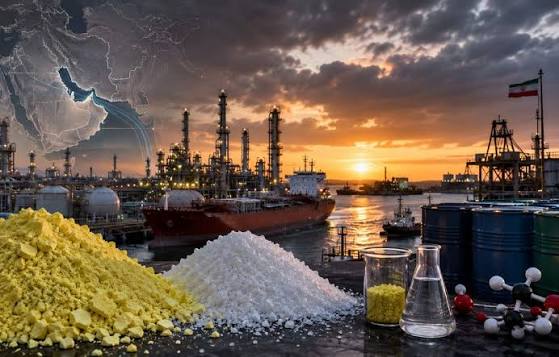
Methanol CAS: 67-56-1
Methanol CAS: 67-56-1

After the Hormuz shutdown, chemical buyers face a mix of temporary price spikes and lasting market shifts. This article applies the Kiel Institute framework to isolate recoverable costs from permanent baseline changes, providing a roadmap for data‑driven contract renegotiations. Implementing these insights helps teams win back margins as conditions normalize.
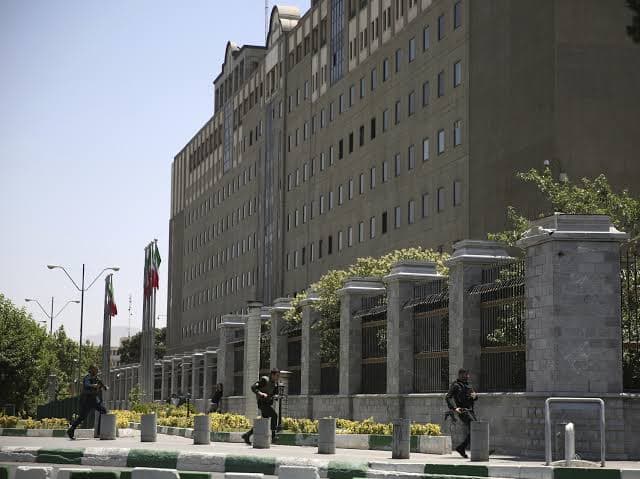
Iran enters H2 2026 presenting three distinct institutional positions on diplomacy, maritime security and international engagement. For chemical buyers, understanding these competing policy signals is becoming as important as monitoring production capacity or sanctions compliance.
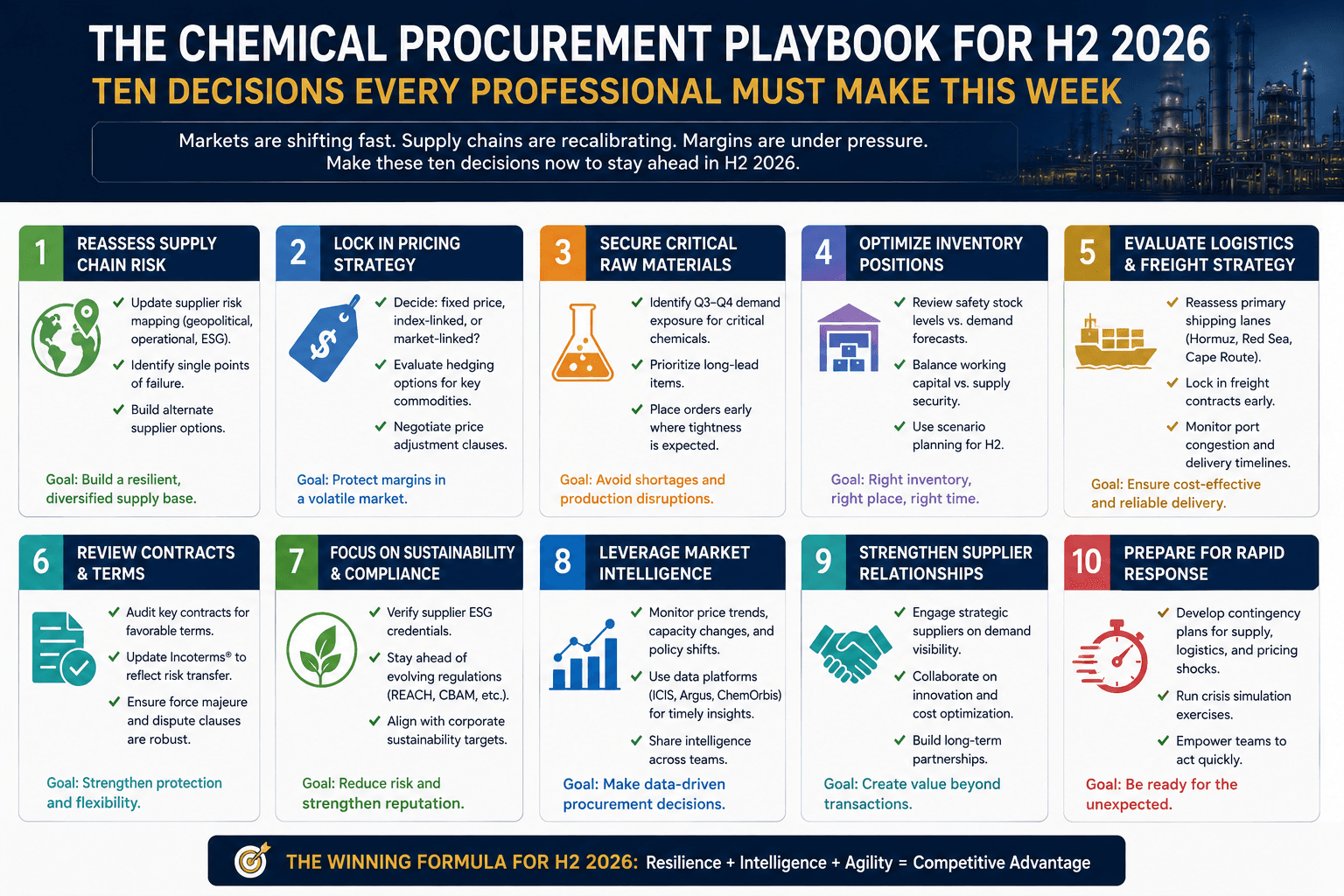
H2 2026 begins with a critical decision window for chemical procurement professionals. From India duty deadlines and Gulf supply recovery to freight renegotiation, fertilizer contracts, and regulatory compliance, these ten strategic decisions could define procurement performance for the rest of the year.

Force majeure declarations triggered by the Hormuz crisis are now entering a structured wind-down phase across chemical supply chains. Procurement and legal teams must formalise documentation to avoid pricing disputes, liability gaps and contract ambiguity in H2 2026.
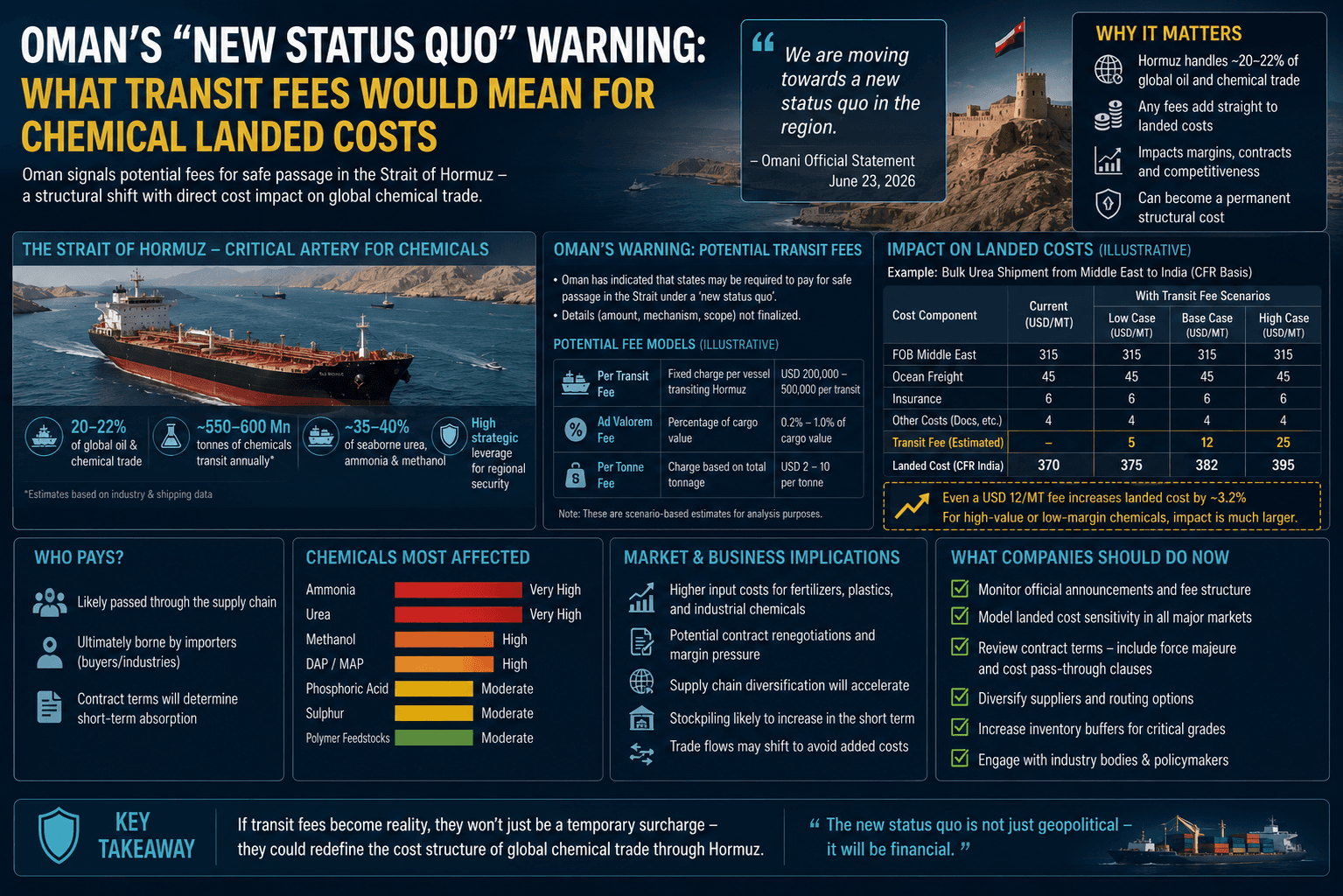
Oman’s warning that Hormuz may never return to pre-war conditions raises the prospect of permanent transit fees for commercial vessels. Chemical buyers should immediately model higher landed costs into H2 2026 procurement planning as Gulf shipping economics may have changed permanently.
Brent crude has dropped to $72.60 despite ongoing military escalation across the Gulf. This unusual market reaction signals that supply recovery currently outweighs geopolitical risk, creating important implications for petrochemical procurement and chemical pricing in the months ahead.
We're committed to your privacy. Tradeasia uses the information you provide to us to contact you about our relevant content, products, and services. For more information, check out our privacy policy.