
Related Insights
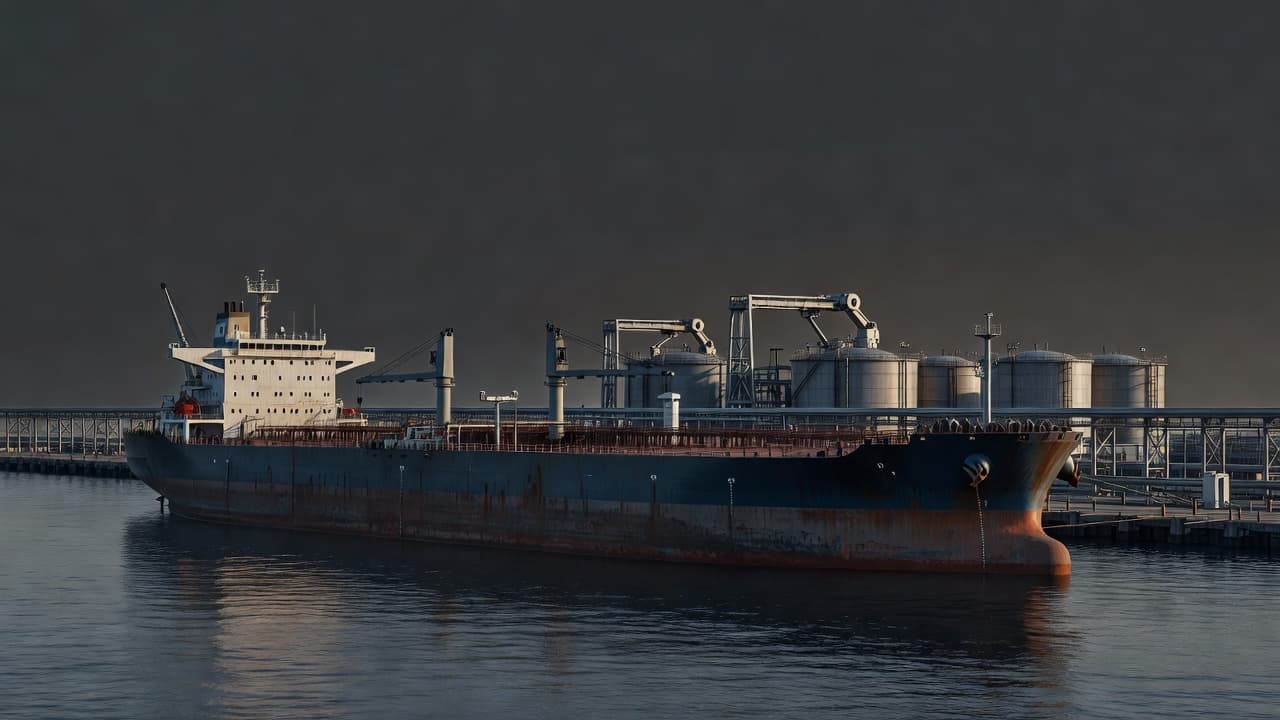
Sanctions Waiver Reversal: What the End of Iranian Oil Sales Authorization Means for Chemical Trade
The termination of Treasury's authorization for Iranian oil sales and new transaction approvals marks an important shift in international trade compliance. Chemical companies should review procurement, logistics and financial exposure to ensure continued sanctions compliance.
The Deloitte Investment Attractiveness Index: Which Countries Are Rated as Top Chemical Investment Destinations
Choosing where to build a chemical plant has become significantly more complex than comparing feedstock costs alone. Modern investment decisions balance economics, logistics, regulation, infrastructure and geopolitical resilience. Understanding these factors helps procurement professionals anticipate where future global chemical capacity is most likely to be built.

Using the Kiel Institute to Separate Temporary Hormuz Costs from Permanent Chemical Procurement Shifts
After the Hormuz shutdown, chemical buyers face a mix of temporary price spikes and lasting market shifts. This article applies the Kiel Institute framework to isolate recoverable costs from permanent baseline changes, providing a roadmap for data‑driven contract renegotiations. Implementing these insights helps teams win back margins as conditions normalize.

Japan Chemical Watch: H1 2026 Closing Review of the Naphtha Crisis and Cracker Recovery
Japan's chemical industry closes H1 2026 having overcome its most severe naphtha supply disruption in decades through strategic reserves and diversified imports. As crackers prepare for a gradual recovery, buyers should focus on improving supply security rather than expecting an immediate return to full operating rates.

Water Treatment Chemicals: GCC H1 Closing Review and H2 Procurement Wave
GCC water treatment utilities close H1 2026 having managed through four months of emergency chemical

Ras Tanura Restart Fuels Q3 Export Surge for Saudi Chemical Industry
After months of disruption, the Ras Tanura terminal has officially resumed operations, marking a pivotal moment for Saudi Arabia’s chemical export landscape. Trading Economics data now shows Gulf chemical exports climbing to 75% of pre‑war levels, a clear signal that supply chains are tightening and demand is returning.
Don't miss out on our updates! Subscribe to our newsletter now
We're committed to your privacy. Tradeasia uses the information you provide to us to contact you about our relevant content, products, and services. For more information, check out our privacy policy.