
In the fast‑moving world of electric vehicles, a humble solvent is quietly powering the future. NMP battery grade, known for its high purity and excellent solvency, has become indispensable for lithium‑ion cathode manufacturing. As EV production surges, so does the appetite for this specialty chemical. This article unpacks why NMP remains a hot commodity and how traders can position themselves for success.
What Is NMP Battery Grade?
NMP stands for N‑Methyl‑2‑pyrrolidone, a polar aprotic solvent widely used in battery chemistry. Battery‑grade NMP is purified to meet stringent specifications such as 0.1 ppm water and 99.9% purity, ensuring optimal electrolyte performance. Its low volatility and high boiling point make it ideal for coating anodes and cathodes, dissolving active materials, and facilitating the slurry casting process.
Global Market Size and Demand in 2026
By 2026, the global demand for battery‑grade NMP is projected to exceed 200,000 metric tonnes, driven largely by EV production growth. China, the world’s largest EV market, accounts for roughly 45% of consumption, followed by Europe (25%) and the United States (15%). The remaining 15% spreads across emerging markets in Southeast Asia and South America.
Key growth factors include:
- Expansion of lithium‑ion battery factories
- Increasing battery capacity per vehicle
- New battery chemistries requiring higher purity solvents
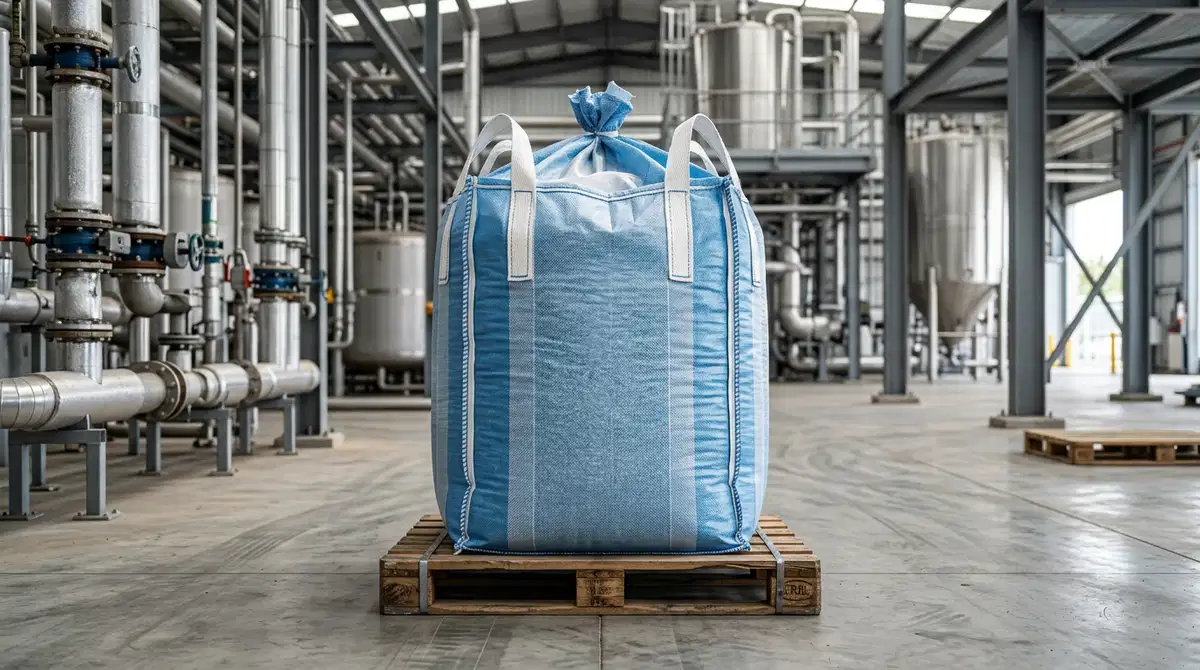
AI Image Prompt: "Photorealistic industrial image of a large lithium‑ion battery manufacturing line with solvent storage tanks and coating equipment, no text, no labels, ultra HD."
Key Price Drivers and Market Forces Right Now
Price volatility in the NMP market stems from several interlocking forces:
- Raw material cost swings – The price of propylene, the primary feedstock for NMP, fluctuates with global petrochemical markets.
- Regulatory tightening – New OSHA and REACH limits on VOC emissions push manufacturers to invest in cleaner production, raising capital costs.
- Supply chain disruptions – Geopolitical tensions can block access to key regions, constraining supply.
- Demand spikes from EV OEMs – Rapid scaling of battery plants leads to short‑term shortages.
Top Producing or Exporting Countries
China dominates production, accounting for 60% of global output. Germany and the United States each hold about 10%, while South Korea, India, and Brazil contribute the remainder. Export volumes remain concentrated in the EU and Japan, where battery manufacturing clusters rely heavily on imported NMP.
AI Image Prompt: "Photorealistic industrial image of a Chinese solvent refinery with large storage tanks and pipeline infrastructure, no text, no labels, ultra HD."
Applications and Who Buys This
Battery manufacturers are the primary buyers, but other sectors also consume NMP battery grade:
- Electrolyte formulation for solid‑state batteries
- Electroplating solutions in electronics
- Adhesives in aerospace components
Procurement teams in these industries must coordinate closely with chemical suppliers to secure long‑term contracts, given the solvent’s critical role in final product performance.
Risks, Challenges or Regulatory Issues
Several risks loom over the NMP supply chain:
- Health and safety concerns – NMP is a reproductive toxin; stricter occupational exposure limits may increase compliance costs.
- Environmental regulations – VOC emission caps could force plants to adopt more energy‑intensive purification steps.
- Geopolitical instability – Sanctions on key producing nations can disrupt trade flows.
- Market concentration – Heavy reliance on a few large producers can trigger supply shocks.
AI Image Prompt: "Photorealistic industrial image of a chemical safety training session in a battery manufacturing plant, no text, no labels, ultra HD."
Outlook for 2027 and Beyond
Looking ahead, the NMP battery grade market is poised for steady growth, with an expected CAGR of 6% through 2029. Innovations in green chemistry may introduce alternative solvents, but the unique properties of NMP will keep it relevant for at least a decade. Traders should monitor:
- Emerging substitutes and their adoption rates
- Shifts in battery chemistry toward higher energy densities
- Policy developments on chemical safety and environmental impact
The Bottom Line for Procurement Teams
For buyers, the key to success lies in securing diversified supply sources and locking in price through forward contracts. Early engagement with producers can unlock preferential terms, especially as the market tightens around the peak of EV production growth. Risk mitigation should include contingency planning for regulatory changes and potential supply chain disruptions.
Looking to source NMP battery grade? Explore verified global suppliers on our platform.