

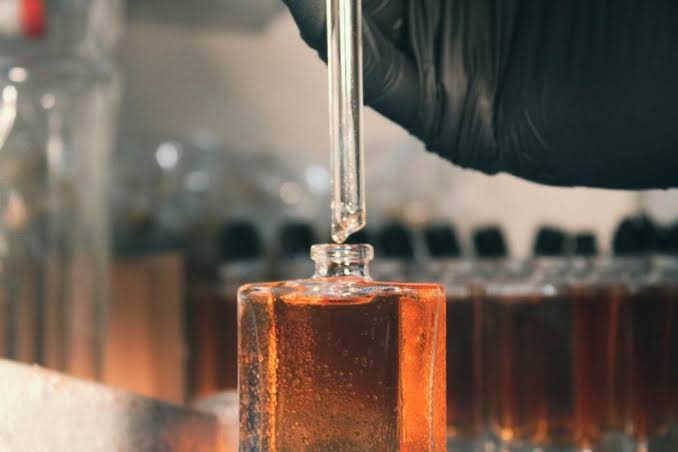


The EIA's July outlook was built around assumptions that changed within weeks after the ceasefire collapsed. Chemical procurement and compliance teams should adopt scenario-based planning to strengthen supply chain resilience in an increasingly unpredictable market.

PVC buyers increasingly face supply chain risks that extend beyond simple price fluctuations. This analysis examines how prolonged disruptions at a major Gulf petrochemical hub could influence global PVC availability, sourcing strategies and procurement decisions over the coming years.
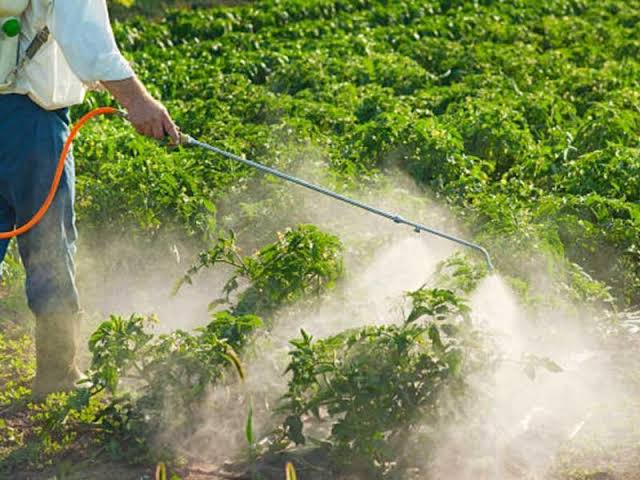
The European Union is expected to announce final anti-dumping decisions on selected crop protection chemicals in July 2026. The outcome could significantly influence agrochemical sourcing, pricing, and supplier strategies across Europe.

Oman's proposal for maritime-services charges introduces a very different scenario from a geopolitical transit toll. Chemical buyers and logistics teams should understand how each approach could affect freight costs, compliance obligations and long-term sourcing decisions.
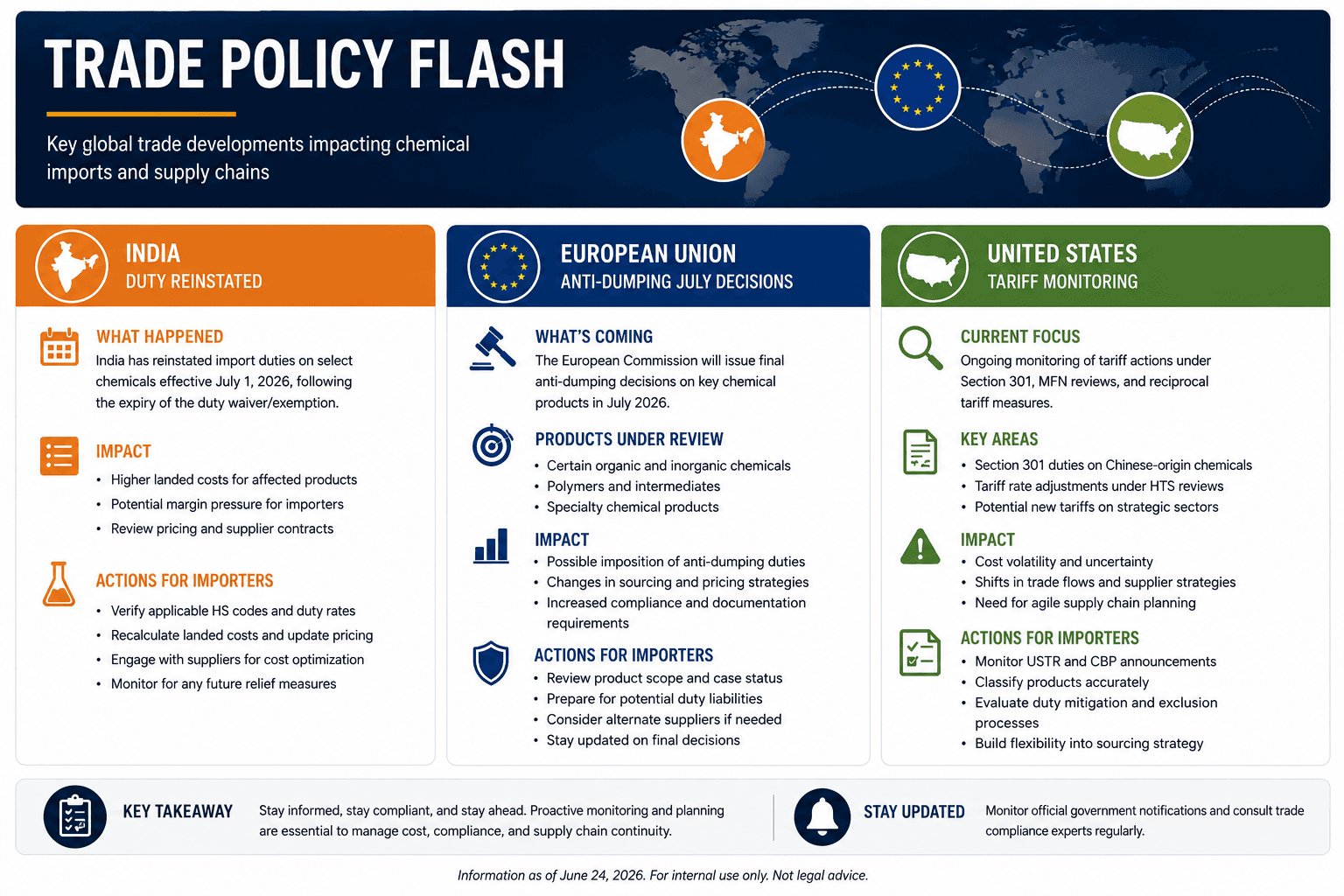
July 1 brings major trade policy changes for chemical buyers: India’s duty waiver has ended, EU anti-dumping decisions on Chinese chemicals are nearing publication, and US tariff rules remain active. Procurement teams should immediately reprice H2 sourcing assumptions.
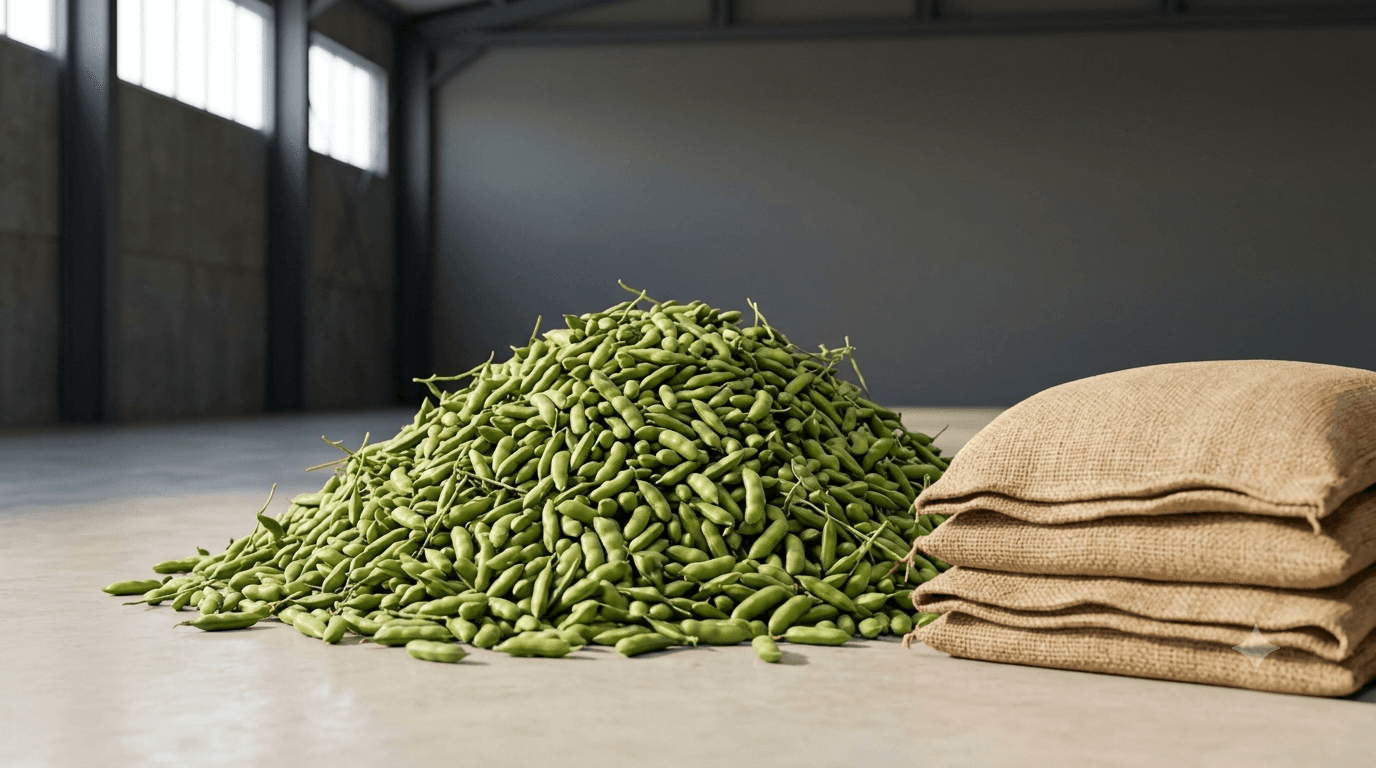
The 2026 Rajasthan guar planting season will determine global guar gum availability for oilfield, food and industrial buyers over the coming year. Early monsoon progress has improved market sentiment, but rainfall distribution across key producing districts will decide whether procurement teams face abundant supply or tighter inventories.
We're committed to your privacy. Tradeasia uses the information you provide to us to contact you about our relevant content, products, and services. For more information, check out our privacy policy.