
Ferrous Sulfate Monohydrate CAS: 13463-43-9
Ferrous Sulfate Monohydrate CAS: 13463-43-9
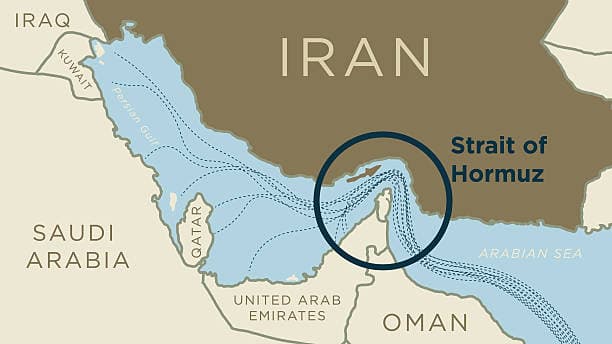
The Strait of Hormuz has seen fresh clashes that are once again cutting vessel transits, disrupting the flow of chemicals and fertilizers. These tensions elevate freight risk and threaten the stability of the global supply chain.
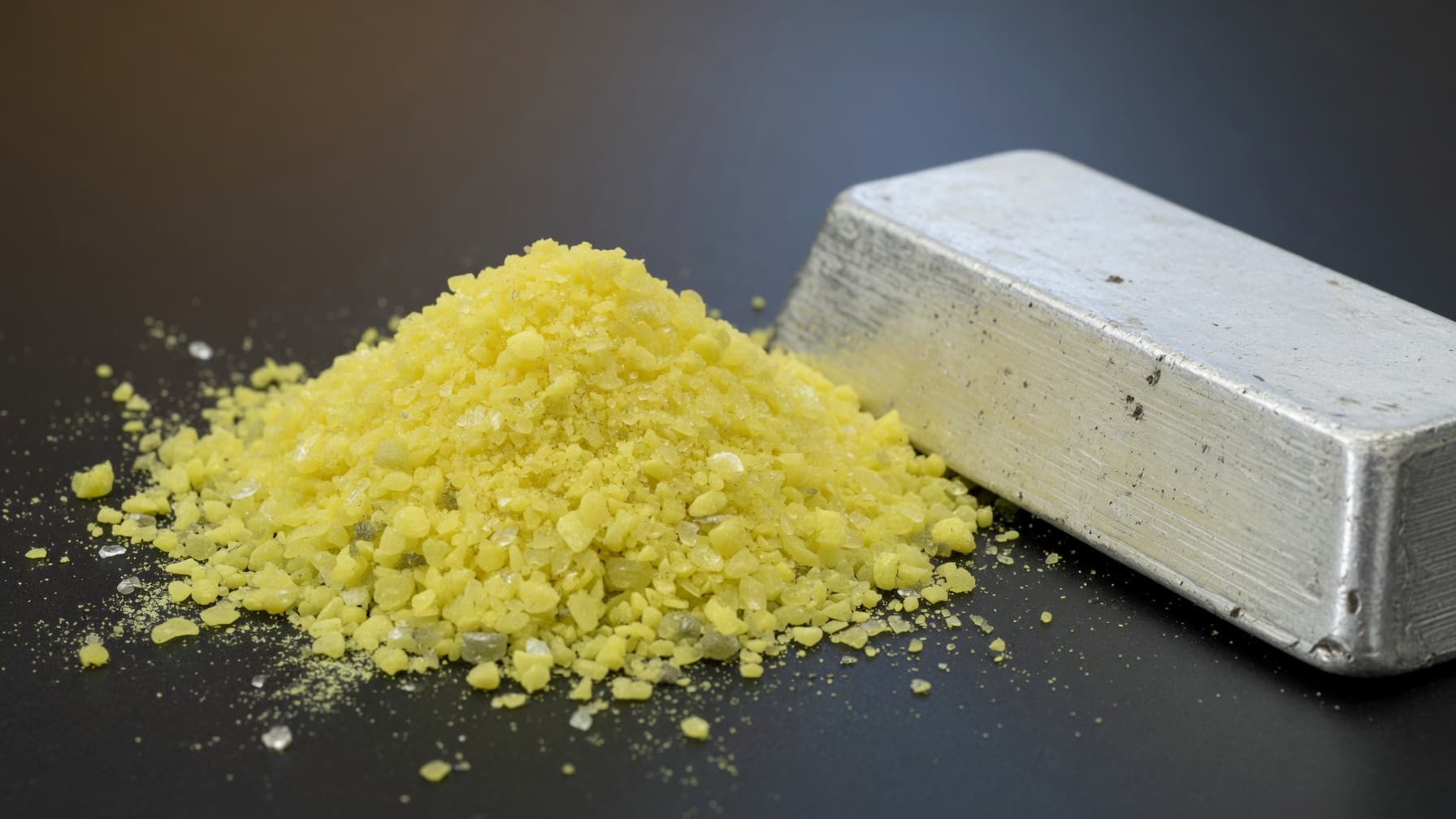
The Strait of Hormuz disruption extends beyond oil markets, affecting sulfur, aluminum, methanol and graphite that support global chemical manufacturing. Procurement teams should reassess sourcing strategies as industrial raw material risks continue to evolve.
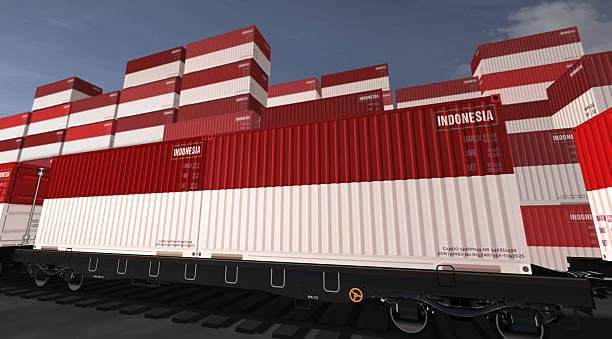
Indonesia’s booming HPAL nickel refining pushes sulfuric acid demand to new highs, exposing the sector to Gulf sulfur supply risks. With convoys resuming, refiners must act swiftly to secure long‑term contracts before premiums rise again. The next 18 months will define margins for battery‑grade nickel producers.
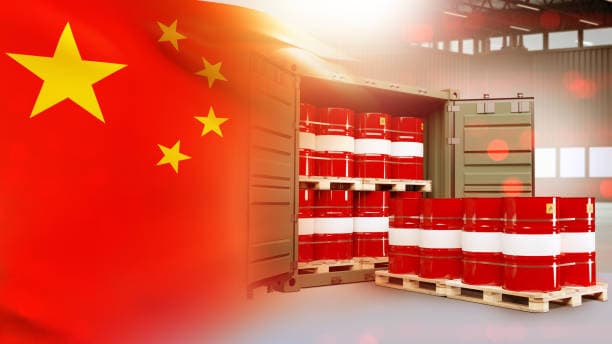
China’s urea export limits and aggressive methanol-to-olefins (MTO) rates set the stage for 2026 chemical flows. July pricing decisions will reveal whether China will defend its crisis‑era share or recalibrate toward market balance. Global buyers must watch China’s export strategy closely.

War risk insurance has become one of the biggest cost drivers for Gulf chemical shipments in H1 2026. This review explains why premiums remain elevated even as physical exports recover and what procurement teams should expect during H2 2026.
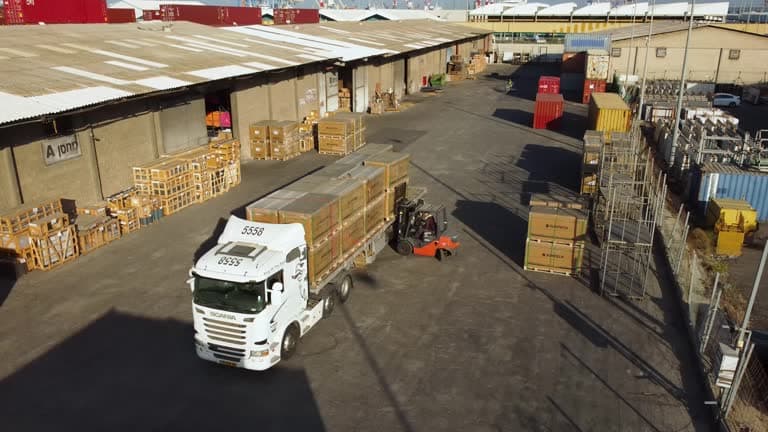
Three large DAP and MAP vessels have successfully transited the Strait of Hormuz, the longest‑held choke point in global fertilizer shipping. This milestone marks the first tangible evidence of a rebound in physical phosphate supplies after years of volatility. Industry analysts now see a clearer path toward balanced fertilizer markets.
We're committed to your privacy. Tradeasia uses the information you provide to us to contact you about our relevant content, products, and services. For more information, check out our privacy policy.