
Urea (Granular) - Egypt CAS: 57-13-6
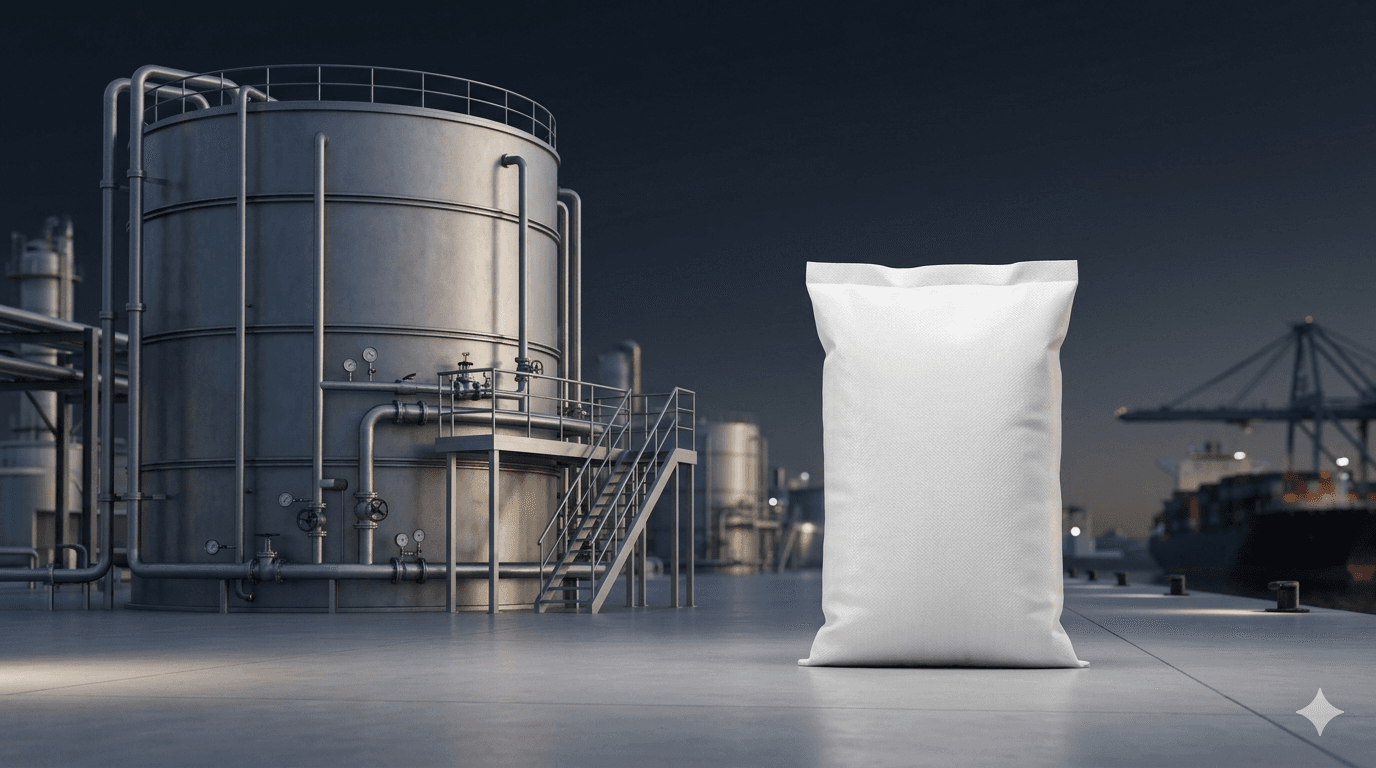

In early 2026 the global chemical market saw a dramatic price spike during the Hormuz crisis, only to reverse course by April even before shipping lanes fully reopened. This article dissects the panic‑driven surge, the factors that triggered the drop, and the procurement intelligence lessons that can help buyers mitigate volatility.

H1 2026 reshaped global chemical trade as the Hormuz crisis disrupted supply routes, cut seaborne volumes by up to 20%, boosted Chinese and US exports, and permanently altered logistics patterns. H2 will determine which of these structural shifts become the new normal.
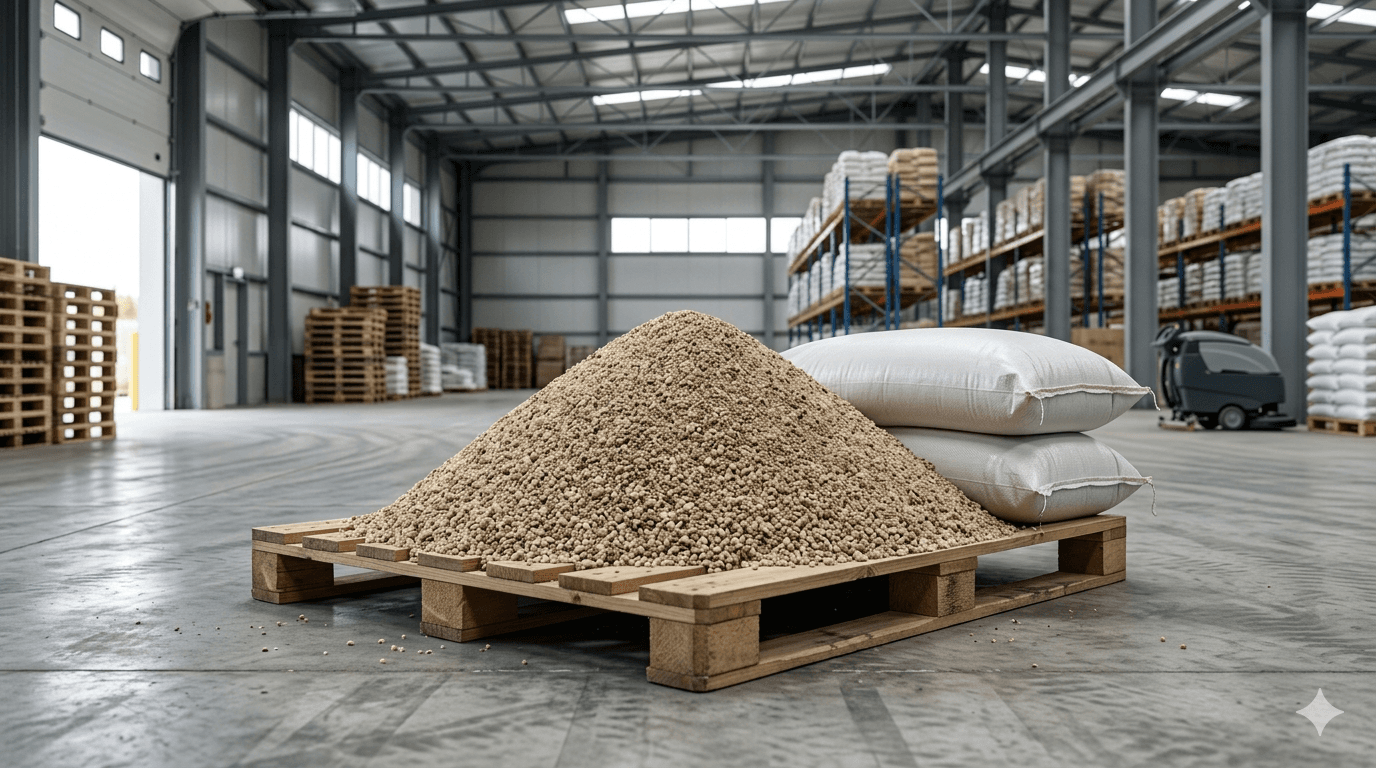
In 2026, the global NPK fertilizer market confronts steep cost hikes in nitrogen, phosphate and potash, tightening margins for blenders and buyers alike. Supply chain disruptions, regulatory shifts and volatile raw material prices are reshaping the industry’s economics.
Acetic acid trade flows across Asia are changing rapidly as Chinese exports rise, India's duty exemption nears expiry and Gulf logistics remain constrained. Procurement teams must reassess sourcing strategies before policy and supply conditions shift again.

ChemCon Asia 2026 in Singapore is redefining chemical trade strategies across Asia, with a focus on CBAM compliance, ASEAN market dynamics, and supply chain resilience amid the Hormuz crisis. The event underscores sustainability as the new competitive edge.
Hydrogen peroxide markets are entering a tighter phase as semiconductor manufacturing expansion accelerates demand across Asia. With European producers facing cost pressures and electronics-grade supply becoming increasingly constrained, procurement teams must reassess sourcing strategies ahead of critical Q3 contract negotiations.
We're committed to your privacy. Tradeasia uses the information you provide to us to contact you about our relevant content, products, and services. For more information, check out our privacy policy.