
Related Insights
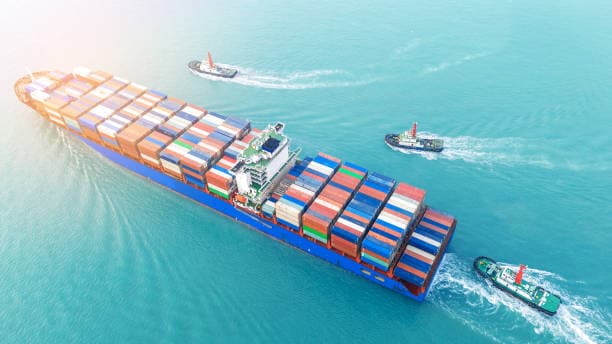
Hormuz War‑Risk Premiums Hit 10% of Hull Value: Chemical Shipping Toll
When war‑risk insurance for vessels transiting the Strait of Hormuz surged to 10% of hull value, chemical shipping faced record freight rates and supply chain strain. This article examines the drivers, impacts, and strategic responses within Gulf maritime logistics.
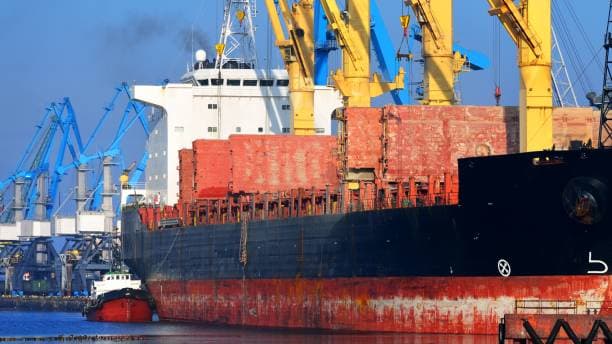
Trump Cuts 20% Hormuz Toll, A Rare De‑Escalation Amid Global Turbulence
In a surprising shift, President Trump has announced the removal of a proposed 20% toll on ships transiting the Strait of Hormuz. The decision offers temporary relief to shipping companies but is set against a backdrop of heightened geopolitical tensions. Maritime analysts examine how this change could reshape freight costs and chemical logistics for the next quarter.
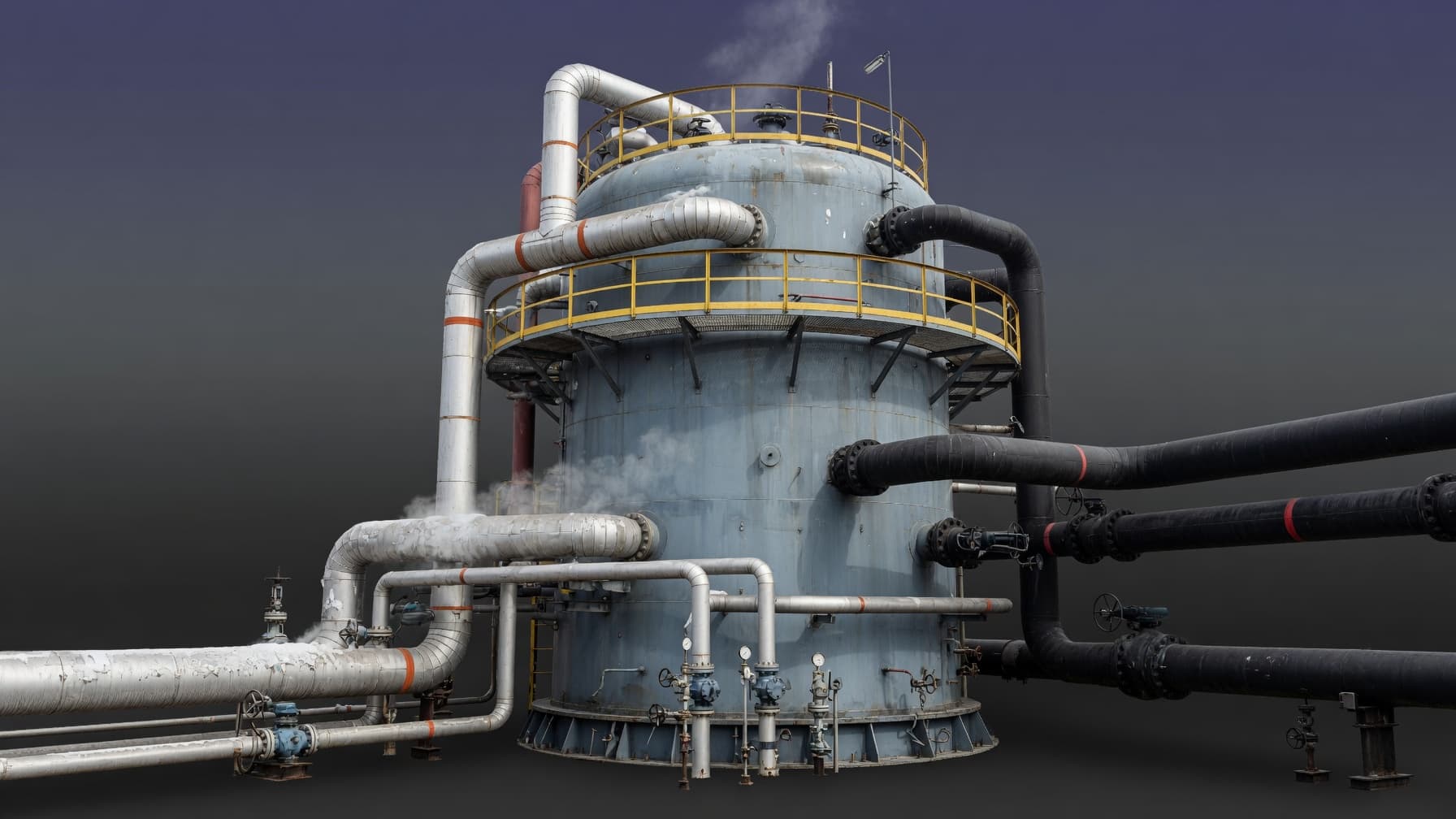
Germany's Chemical Capacity Utilization Stuck at 75.1%: What VCI's Unprofitable Threshold Means for Buyers
German chemical capacity utilization improved slightly to 75.1% but remains below the level needed for profitable production. With VCI expecting output to fall again across 2026, procurement teams should prepare for restructuring, reduced local availability and greater import dependence.

REACH Registration Data: What's Available and How Buyers Can Access It
The ECHA REACH registration database is one of the most valuable compliance resources for chemical buyers supplying into the EU. Understanding what information is publicly available can help procurement teams verify registrations, assess supplier compliance and reduce regulatory risk.

Electronic Chemicals and the Semiconductor Supply Chain: Congress Tightens Focus on Critical Minerals
Electronic chemicals and specialty gases are now seen as defense‑critical, as a July 2026 CRS report highlighted the risk of Hormuz disruptions to sulfur and rare‑gas supplies. Congress is moving to classify these materials, unlocking federal incentives and reserve mechanisms. Procurement managers must map their portfolios to align with the new security‑of‑supply framework.
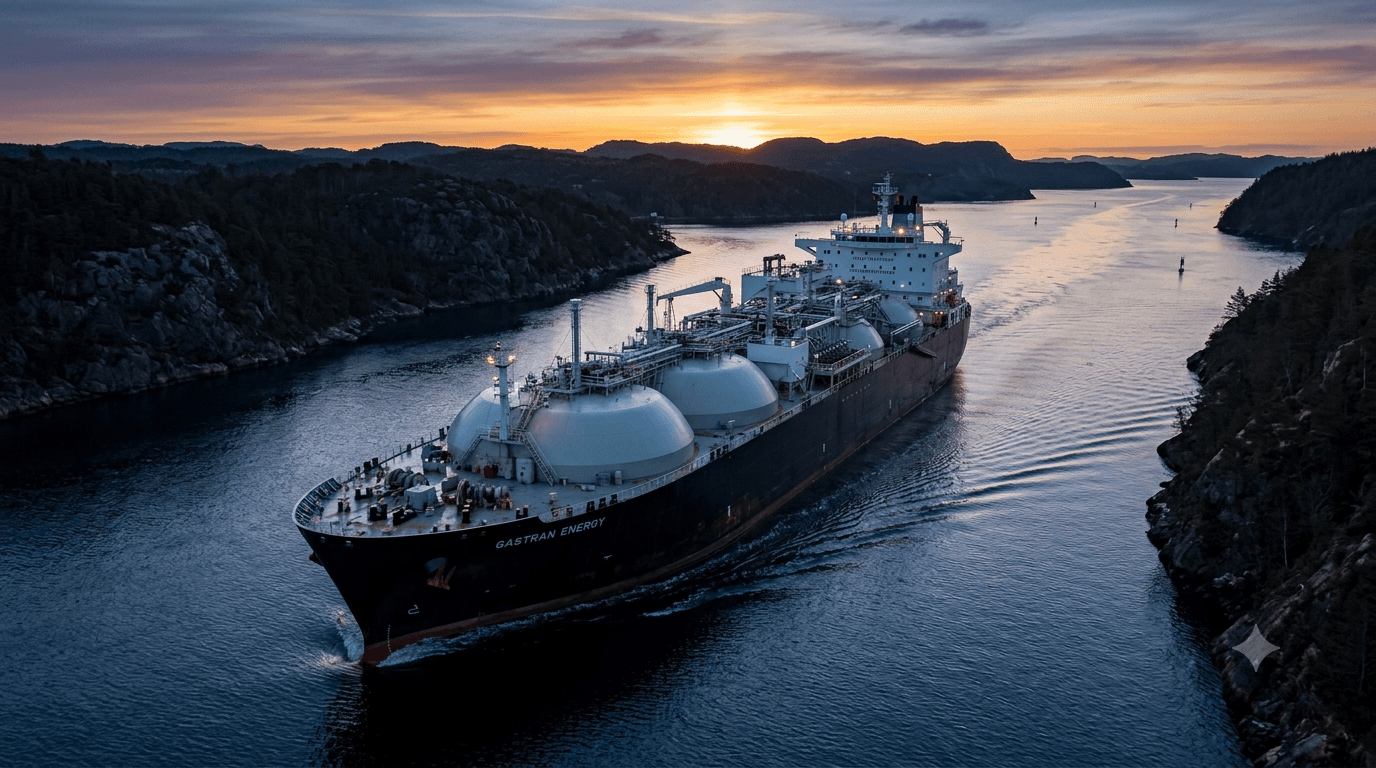
AIS Data vs Headline Status: Why Strait of Hormuz "Closure" Claims Can Mislead Chemical Supply Chains
Headline reports often describe the Strait of Hormuz as closed during periods of military escalation, but AIS vessel tracking frequently tells a different story. This analysis explains why chemical traders and procurement teams should rely on verified shipping movements instead of political rhetoric when managing logistics, sourcing and freight risk.
Don't miss out on our updates! Subscribe to our newsletter now
We're committed to your privacy. Tradeasia uses the information you provide to us to contact you about our relevant content, products, and services. For more information, check out our privacy policy.