
Related Insights
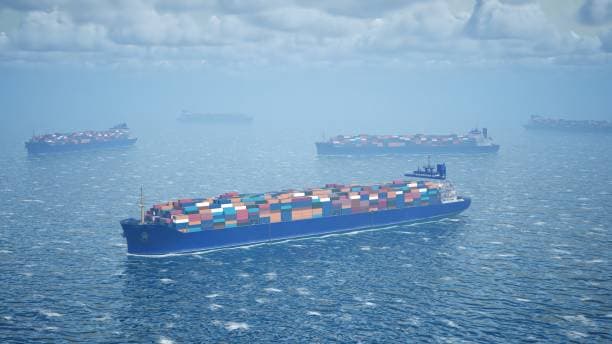
6,000 Seafarers Stranded as Hormuz Traffic Drops, Fueling Shipping Crisis
Approximately 6,000 seafarers are trapped in the Gulf as vessel movements through the Strait of Hormuz fall below normal levels. This bottleneck is not only an operational headache for shipping lines but also a humanitarian crisis and a threat to the chemical supply chain that fuels global commerce. The article explores the ripple effects across maritime logistics, crew welfare, and chemical transport.
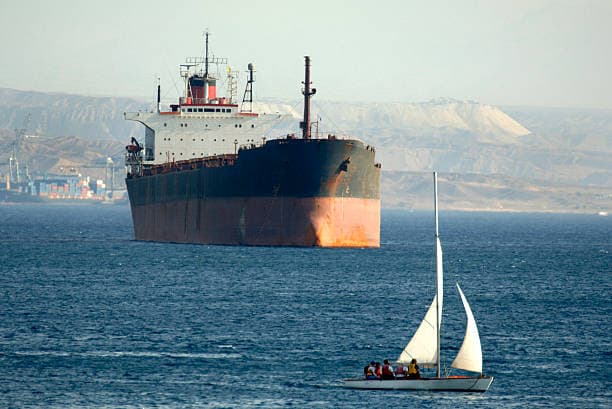
Cape of Good Hope Eclipses Red Sea as Chemical Shipping’s New Default Route
The Cape of Good Hope is emerging as the fallback route for chemical shipping as security risks in the Red Sea grow. This shift reshapes freight routes and impacts tanker logistics worldwide. Discover how maritime trade is adapting to new threats.

Government-Backed Shipping Insurance: Could New Risk Schemes Stabilize Gulf Chemical Trade?
The withdrawal of P&I insurance during the earlier Hormuz disruption sparked discussion about government-backed insurance solutions for commercial shipping. Chemical procurement and compliance teams should understand how future insurance frameworks could influence freight costs and supply chain resilience.

Responsible Care Performance KPIs: Why 2026 Crisis Data Requires More Context Than Ever
Responsible Care performance indicators remain essential for supplier evaluation, but crisis conditions can influence operational results. This article explores how procurement and ESG teams can interpret 2026 KPI data with appropriate context while maintaining rigorous supplier assessments.
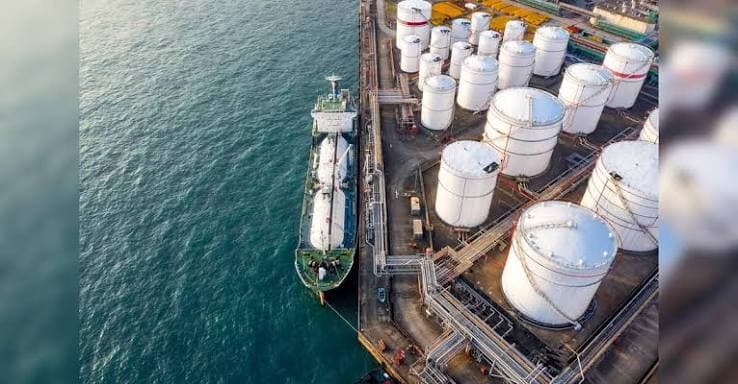
The 1,550-Vessel Backlog and the Convoy Exit Queue: How Long Will It Take to Clear?
Although vessel movements through the Strait of Hormuz are increasing, the shipping backlog accumulated during the crisis remains substantial. Understanding convoy throughput and queue management provides buyers with a more realistic timeline for delayed chemical cargo arrivals during H2 2026.
Dark Tankers: The AIS Blackout Problem and Its Chemical Supply Chain Documentation Implications
The widespread use of AIS-disabled "dark tankers" during the Hormuz crisis created new compliance and documentation challenges for global chemical supply chains. As escorted convoy operations expand, improved vessel traceability is becoming an important commercial advantage for buyers operating under strict regulatory and quality requirements.
Don't miss out on our updates! Subscribe to our newsletter now
We're committed to your privacy. Tradeasia uses the information you provide to us to contact you about our relevant content, products, and services. For more information, check out our privacy policy.