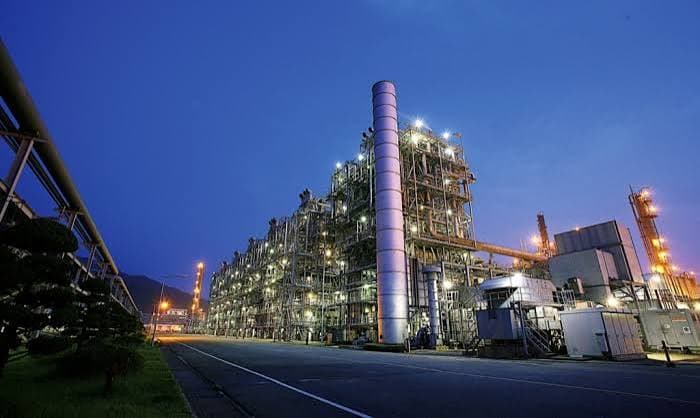

South Korea is taking a more coordinated approach to petrochemical restructuring than other mature Asian and European markets.
The government's restructuring program targets a reduction of approximately 2.7 million to 3.7 million metric tons per year of naphtha-cracking capacity, equivalent to roughly 20% to 28% of South Korea's total ethylene capacity. The objective is to address persistent oversupply, weak margins, and growing competition from China's expanding petrochemical industry.
The key difference is structural: while Japan and parts of Europe have largely seen companies make individual closure decisions, South Korea's rationalization is being coordinated through a government-backed restructuring framework involving major producers across Ulsan, Daesan, and Yeosu.
Why South Korea Is Taking a Coordinated Approach
South Korea has approximately 13 million metric tons per year of ethylene capacity, much of it concentrated in large petrochemical complexes. Persistent oversupply and weak olefins margins have made consolidation increasingly difficult to avoid.
The government's approach encourages producers to submit restructuring plans that can involve:
Cracker closures
Asset integration
Company mergers
Downstream capacity reductions
Financial restructuring
A shift toward higher-value specialty materials
Greater refining-petrochemical integration
All 16 major companies operating relevant naphtha cracking and PDH facilities across the three main petrochemical complexes submitted restructuring plans under the government's roadmap.
Daesan Shows How the Model Works
The Daesan No. 1 restructuring project became the first major project approved under South Korea's petrochemical restructuring roadmap.
Under the plan, Lotte Chemical's Daesan operations are being separated and combined with HD Hyundai Chemical, integrating naphtha cracking and downstream operations. The restructuring includes suspending an ethylene production facility and reducing lower-margin downstream operations to improve utilization and competitiveness.
The model is important because it does not simply close a plant and leave capacity fragmented. Instead, it aims to combine assets into a more integrated production structure.
How It Differs From Japan
Japan is also reducing ethylene capacity, but its restructuring is more company-led and asset-specific.
Japanese producers have announced individual cracker shutdowns as older facilities struggle against Chinese competition and weak regional economics. Planned closures include facilities operated by Maruzen Petrochemical, Idemitsu Kosan, ENEOS, and the Asahi Kasei/Mitsubishi Chemical joint venture.
The contrast can be summarized as:
Market | Main Approach |
|---|---|
South Korea | Government-led coordination and industry restructuring |
Japan | Company-by-company closures and asset consolidation |
Europe | Primarily market-driven rationalization and strategic portfolio decisions |
South Korea's approach attempts to manage capacity reductions while also addressing employment, regional economies, financing, and the competitiveness of surviving facilities.
The 25% Cut Could Reshape Regional Supply
S&P Global estimates that South Korea's planned reduction could remove between 20% and 28% of national ethylene capacity. Announced and proposed closures are concentrated around Daesan and Yeosu, although further rationalization may still be required.
Potential effects include:
Higher utilization at surviving crackers
Lower regional naphtha demand
Greater integration among producers
Reduced commodity exports
Increased focus on specialty and high-value products
Changes in Asian ethylene and polymer trade flows
However, South Korea's cuts alone are unlikely to eliminate Asia's wider oversupply problem because new capacity additions, particularly in China, continue to pressure regional markets.
Procurement Considerations
For petrochemical buyers, South Korea's restructuring could gradually change supplier availability and regional sourcing economics.
Procurement teams should monitor:
Cracker shutdown schedules
Daesan and Yeosu integration progress
Ethylene and polymer supply availability
Chinese capacity additions
Changes in Asian naphtha demand
Supplier financial stability
Regional landed-cost differences
The most important question is whether capacity reductions will meaningfully improve margins and utilization or whether continued new capacity elsewhere will offset the impact.
Looking Ahead
South Korea's restructuring stands out because it treats petrochemical overcapacity as a national industrial competitiveness issue, rather than leaving every closure decision entirely to individual companies.
The government-backed model could create a more concentrated and integrated petrochemical sector, with surviving producers expected to focus increasingly on higher-value materials and stronger feedstock economics.
If successful, South Korea's approach may offer an alternative model for other regions facing the same challenge: too much commodity petrochemical capacity and not enough demand to support it.
Key Takeaways
South Korea is targeting a 20% to 28% reduction in naphtha-cracking capacity.
The planned reduction equals approximately 2.7–3.7 million metric tons per year of ethylene capacity.
The restructuring is being coordinated through a government-backed industrial roadmap.
Daesan provides the first major example of integrated asset restructuring.
Japan's rationalization is more company-driven and based on individual cracker closures.
Capacity reductions could improve utilization but may not fully solve Asia's overcapacity problem.
Buyers should monitor closures, mergers, supply changes, and Chinese capacity additions.
Sources
https://www.spglobal.com/energy/en/news-research/special-reports/chemicals/chemical-trends-h1-2026/rationalisation/ethylene · https://www.sunsirs.com/commodity-news/petail-28420.html ·
Polyvinyl Alcohol (17-88) - China CAS: 9002-89-5