Introduction Soya Lecithin
The global market for Soya Lecithin as an industrial feed ingredient is undergoing rapid transformation as we move toward 2026. Rising demand for efficient, cost-effective, and sustainable feed formulations is pushing nutritionists, integrators, and premix manufacturers to optimize their use of functional additives such as lecithins. At the same time, supply chain volatility, geopolitical shifts, and evolving regulatory frameworks are reshaping how companies source and manage critical feed ingredients.
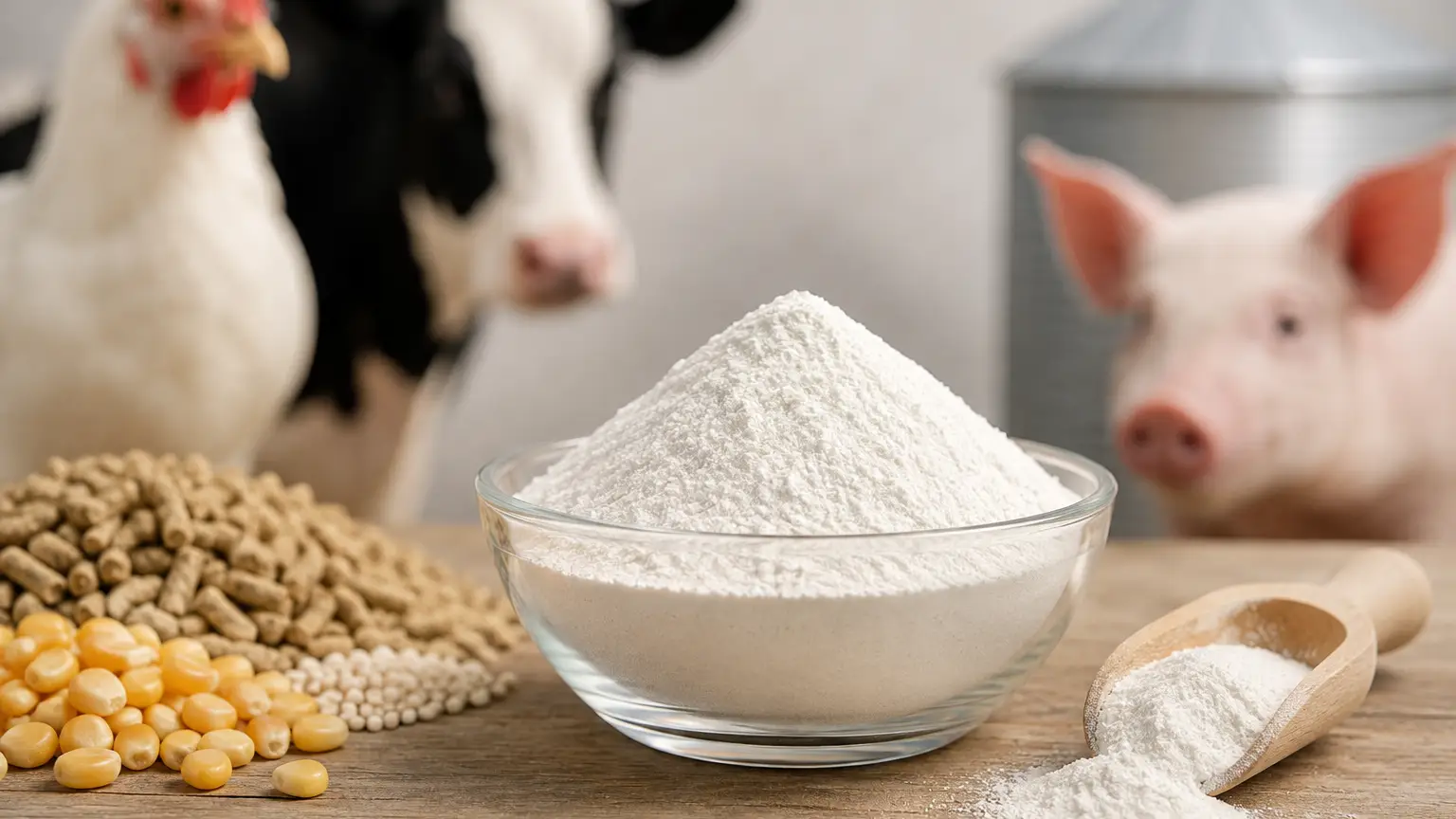
Soya Lecithin, derived from soybean oil processing, has long been valued as an emulsifier, dispersant, and nutritional component in feed for poultry, swine, aquaculture, and ruminants. Its ability to improve fat digestibility and feed conversion ratios, while also contributing phospholipids and choline, makes it a strategic input in modern feed formulations. For global buyers, understanding the supply chain of soya lecithin is now as important as understanding its technical performance.
As a global distributor and supply chain partner, chemtradeasia is positioned at the intersection of producers, formulators, and end users. This article provides a structured overview of the global supply chain for industrial soya lecithin used in feed, outlines key market trends up to 2026, details product characteristics and applications, and highlights how supply chain strategies can mitigate risk and unlock value in a complex, interconnected market.
Global Demand Outlook for Soya Lecithin in Feed
Global feed production has been expanding steadily, driven by population growth, urbanization, and rising protein consumption. According to recent industry reports, compound feed output surpassed 1.2 billion metric tons in the mid-2020s, with Asia-Pacific accounting for more than one-third of total volume. Within this context, the demand for performance-enhancing additives such as soya lecithin feed grade is expected to grow in line with, or slightly faster than, overall feed production, as producers seek to improve efficiency and animal performance.
Soya lecithin demand in feed is influenced by multiple structural drivers. First, the trend toward higher energy diets and increased use of vegetable oils and fats in feed creates a stronger need for effective emulsifiers to support fat digestion, particularly in young animals. Second, the shift away from antibiotic growth promoters in many regions increases the focus on nutritional and functional alternatives that support gut health and feed efficiency. Lecithins, by improving lipid utilization and reducing fat-related digestive issues, fit well into this evolving nutritional paradigm.
Regionally, Asia-Pacific, Latin America, and parts of Eastern Europe are expected to lead demand growth for industrial soya lecithin in feed through 2026. Rapid expansion of poultry and aquaculture sectors in countries such as China, India, Vietnam, Brazil, and Indonesia is particularly relevant. These sectors are highly sensitive to feed cost and performance metrics, making lecithin a strategic ingredient. Meanwhile, mature markets in Western Europe and North America are expected to show stable to moderate growth, with more emphasis on traceability, sustainability certifications, and non-GMO lecithin options.
Supply Chain Dynamics and Key Producing Regions
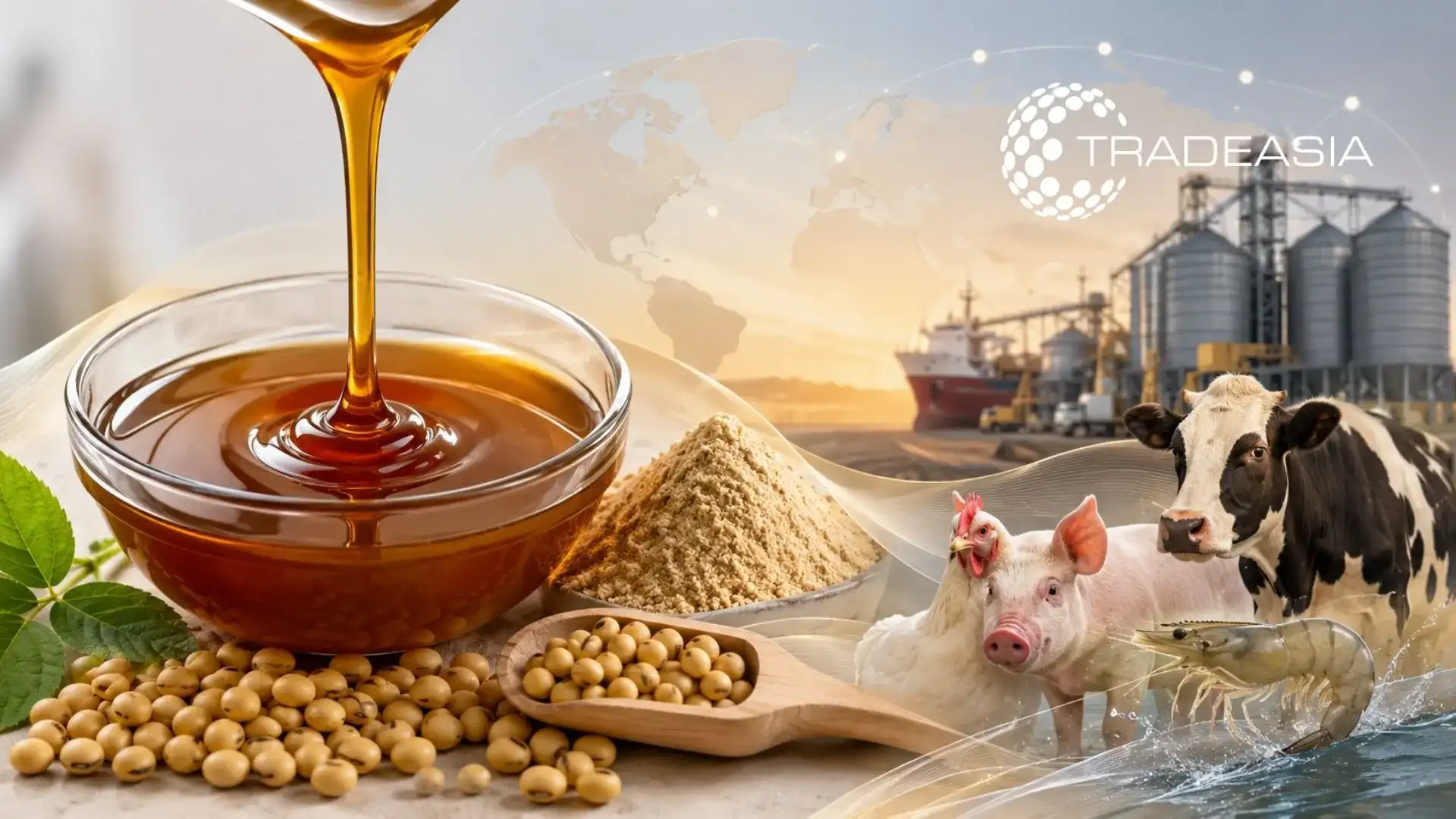
The supply chain for Soya Lecithin begins with soybean cultivation and crushing. Major soybean-producing countries such as Brazil, the United States, Argentina, India, and China dominate the upstream availability of crude soybean oil, from which lecithin is separated during the degumming process. Any fluctuation in soybean harvests, export policies, or logistics in these countries can have a downstream impact on lecithin availability and pricing for feed manufacturers globally.
Industrial lecithin suppliers further process crude lecithin into various grades, including fluid lecithin, de-oiled lecithin powder, and modified lecithin tailored for specific applications. For feed, fluid soya lecithin and de-oiled powders are common, depending on the formulation and handling requirements. These processing facilities are often located close to major crushing operations, particularly in Brazil, India, and the United States. From there, lecithin is shipped in bulk or intermediate packaging to regional hubs and distributors, such as chemtradeasia, who handle documentation, quality assurance, and last-mile delivery.
Supply chain risk factors include weather-related crop variability, trade disputes affecting soybean flows, freight rate volatility, and regulatory changes related to GMO labeling or sustainability standards. The COVID-19 pandemic and subsequent logistics disruptions highlighted the vulnerability of single-source strategies. By 2026, many feed manufacturers are expected to adopt more diversified sourcing models, leveraging multiple origins and partners. Distributors with multi-region sourcing capabilities and integrated logistics networks, such as chemtradeasia, can help mitigate these risks by balancing supply from South American, North American, and Asian producers and by maintaining strategic inventories closer to consumption centers.
Product Profile: Industrial Soya Lecithin for Feed Applications
Soya Lecithin feed grade is typically obtained as a by-product of soybean oil refining and then standardized to meet specific quality parameters. In fluid form, it is a viscous, brownish liquid composed primarily of phospholipids (such as phosphatidylcholine, phosphatidylethanolamine, and phosphatidylinositol), neutral lipids, and minor components. Typical phospholipid content ranges from 55–70%, with moisture usually below 1% and acid value and peroxide value controlled to meet feed specifications. De-oiled lecithin powders contain a higher concentration of phospholipids (often above 90%) and are favored where low-fat content or dry blending into premixes is required.
From a functional standpoint, industrial soya lecithin is valued in feed primarily as an emulsifier and wetting agent. It promotes the formation of stable oil-in-water emulsions in the gastrointestinal tract, enhancing the dispersion and digestion of added fats and fat-soluble nutrients. In young animals such as broiler chicks and piglets, where endogenous bile and lipase production is not fully developed, lecithin can significantly improve fat utilization and energy uptake. This can translate into better feed conversion ratios, improved weight gain, and more uniform flock or herd performance.
In addition to its emulsifying properties, soya lecithin contributes nutritional value through its phospholipid and choline content. Phospholipids support cell membrane integrity and liver function, while choline plays a role in lipid metabolism and neural development. In aquaculture, lecithin is frequently used in larval and starter feeds for fish and shrimp to enhance survival rates and growth, particularly when high levels of fish oil or vegetable oils are present. In ruminant nutrition, lecithin can be incorporated into bypass fat systems or specialized supplements to support energy density and reproductive performance. These diverse use cases underscore why lecithin is considered a multifunctional ingredient in modern feed programs.
Strategic Sourcing, Quality, and Risk Management with chemtradeasia
For global buyers of Soya Lecithin, strategic sourcing goes beyond securing competitive prices. It involves ensuring consistent quality, regulatory compliance, and supply security across multiple markets. chemtradeasia operates as a link between reputable lecithin producers and feed manufacturers, providing access to a portfolio of origins and grades, including conventional, non-GMO, and, where required, IP-controlled materials. This multi-origin approach helps reduce dependency on any single producing region and allows for more flexible responses to seasonal or geopolitical disruptions.
Quality management is central to lecithin sourcing, particularly for feed applications where performance and safety are paramount. Typical quality control parameters include phospholipid content, moisture, acid value, peroxide value, hexane residue (for de-oiled grades), microbial load, and trace contaminants. chemtradeasia works with producers that follow established quality systems such as ISO and HACCP and can support documentation requirements related to GMP+, FAMI-QS, or other feed safety schemes where applicable. Batch-specific certificates of analysis, technical data sheets, and, when required, non-GMO declarations and allergen statements help buyers integrate lecithin seamlessly into their quality frameworks.
Risk management in the lecithin supply chain also involves logistics optimization and inventory planning. Freight cost volatility, container availability, and port congestion can affect landed cost and lead times. By leveraging a network of regional warehouses and logistics partners, chemtradeasia can help customers balance just-in-time deliveries with safety stocks, reducing the risk of production interruptions. Additionally, market insight services, such as updates on crop conditions, crushing margins, and freight trends, enable feed manufacturers to make more informed procurement decisions and to time their purchases strategically in anticipation of price movements up to and beyond 2026.
Conclusion
As the global feed industry continues to expand and evolve, Soya Lecithin is set to remain a critical functional ingredient, supporting efficient use of fats, enhancing nutritional performance, and contributing to the economic sustainability of livestock and aquaculture operations. By 2026, demand growth is expected to be strongest in emerging markets, while mature regions will increasingly emphasize traceability, sustainability, and specialized lecithin grades. In this environment, a clear understanding of supply chain dynamics, from soybean production to final delivery, is essential for maintaining competitiveness and reliability.
Industrial users that align their sourcing strategies with robust partners and diversified origins will be better positioned to manage volatility and capture opportunities in the lecithin market. Leveraging the capabilities of global distributors such as chemtradeasia can provide access not only to product but also to timely market intelligence, technical documentation, and logistics solutions. This integrated approach supports feed formulators, premix manufacturers, and integrators in optimizing their use of soya lecithin feed grade, improving animal performance while managing cost and risk across the value chain.
This article is intended solely for informational and market insight purposes and does not constitute technical, safety, or professional advice. Readers should independently verify all information with qualified experts, consult official documentation such as MSDS/SDS and relevant regulations, and contact our team or other competent professionals for guidance on specific applications, formulations, or compliance requirements.