


Related Insights
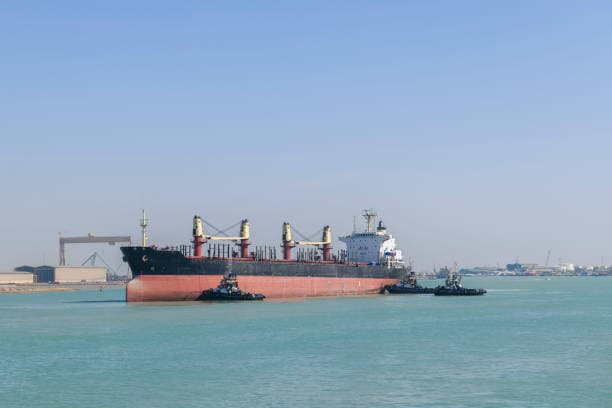
Iranian-Flagged Vessels Still Moving: What Their Transits Signal
Despite heightened tensions in the Persian Gulf, Iranian-flagged ships continue to navigate key maritime corridors. Their persistent presence offers clues about regional shipping resilience, chemical logistics, and the evolving power dynamics of global supply chains.
Velogy and the European Chemical Industry's Sustainability Transition
The transfer of four European petrochemical plants to Velogy introduces new questions about supplier sustainability commitments and transition planning. This guide explains why ownership changes matter for procurement teams, CSRD reporting and supply chain due diligence.

The Chemical Procurement Profession After 125 Days: What Has Permanently Changed
A definitive analytical article for Day 125 of the Hormuz crisis: what has permanently changed about the chemical procurement profession itself, not just the market conditions it manages.
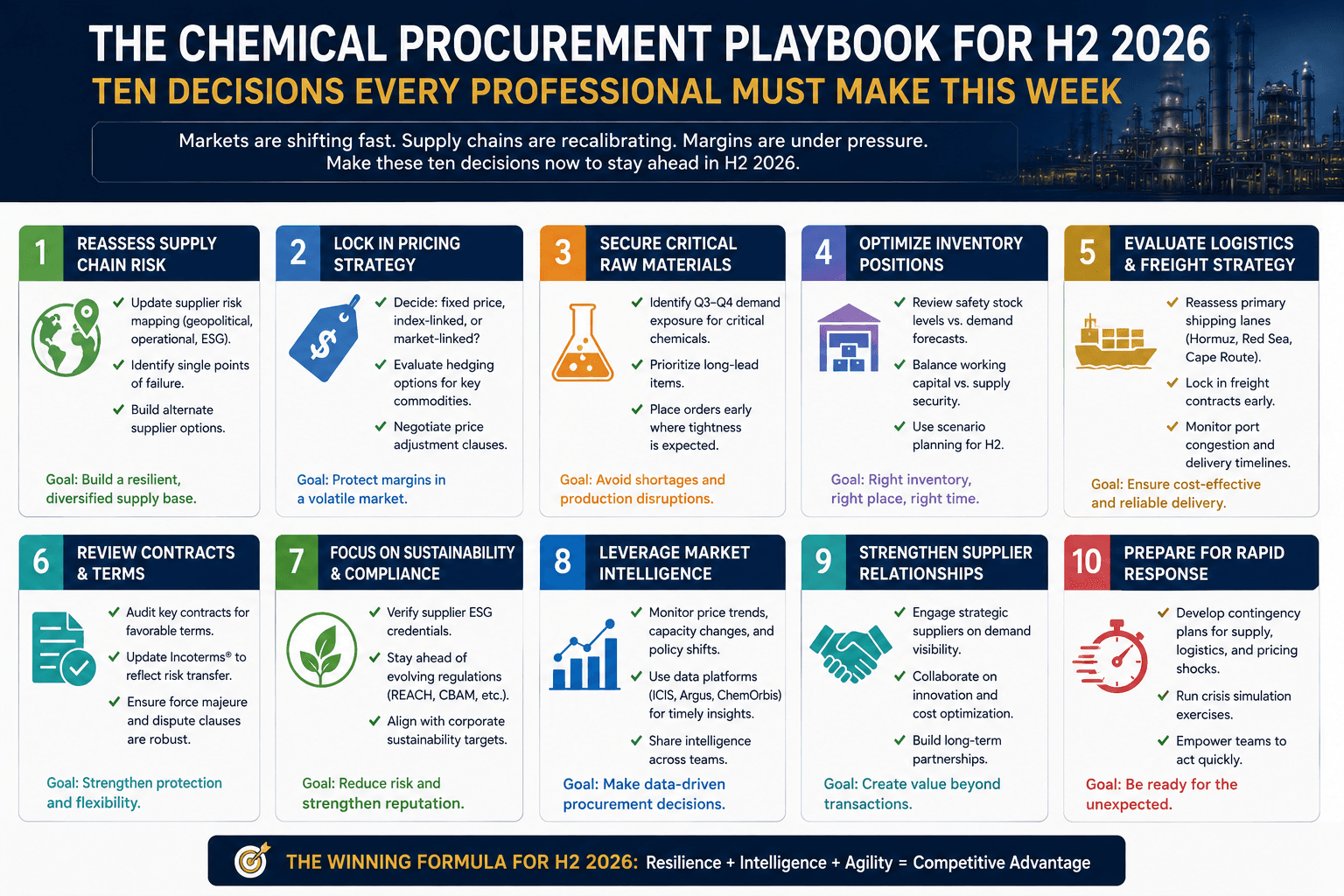
The Chemical Procurement Playbook for H2 2026: Ten Decisions Every Professional Must Make This Week
H2 2026 begins with a critical decision window for chemical procurement professionals. From India duty deadlines and Gulf supply recovery to freight renegotiation, fertilizer contracts, and regulatory compliance, these ten strategic decisions could define procurement performance for the rest of the year.
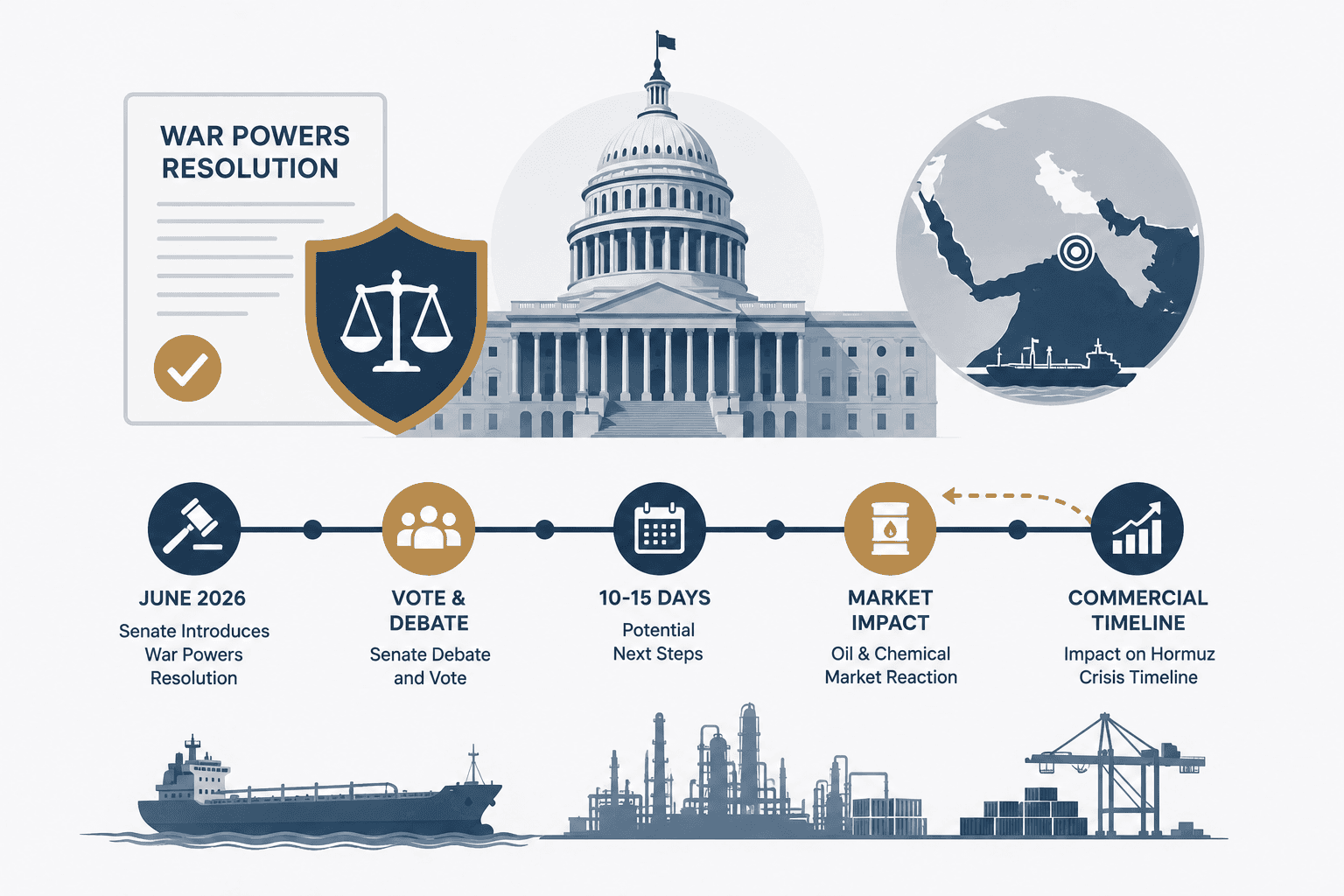
US Senate War Powers Resolution: What It Means for the Hormuz Crisis Commercial Timeline
The US Senate’s war powers resolution against Trump’s Iran conflict strategy may accelerate diplomatic pressure around the Hormuz crisis. For chemical markets, faster political de-escalation could mean quicker supply chain recovery and a more positive H2 2026 outlook.
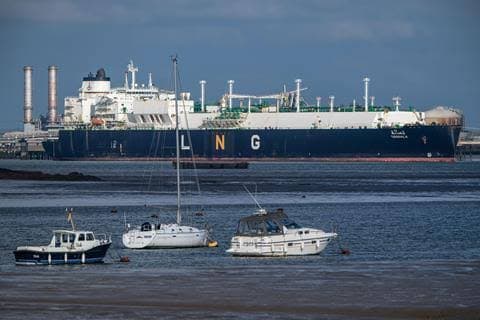
Hormuz De-Confliction Channel: What the Bürgenstock Outcome Means for Chemical Shipping This Week
The establishment of a direct US-Iran de-confliction channel and expanded multinational naval coordination marks the most meaningful improvement in Hormuz shipping security since February. Chemical shippers should reassess risk assumptions—but not eliminate contingency planning.
Don't miss out on our updates! Subscribe to our newsletter now
We're committed to your privacy. Tradeasia uses the information you provide to us to contact you about our relevant content, products, and services. For more information, check out our privacy policy.