
Polyethylene Terephthalate (PET) CAS: 25038-59-9
India's temporary customs duty exemption on Monoethylene Glycol expires at midnight, creating a major turning point for polyester manufacturers and chemical buyers. As Gulf supply improves and production costs ease, procurement teams must balance lower international prices against higher landed costs before finalizing Q3 purchasing strategies.
As global shipping routes begin normalizing after the Hormuz disruption, the Panama Canal is experiencing renewed congestion. Chemical shippers should prepare for extended transit times and scheduling uncertainty through Q3 2026.
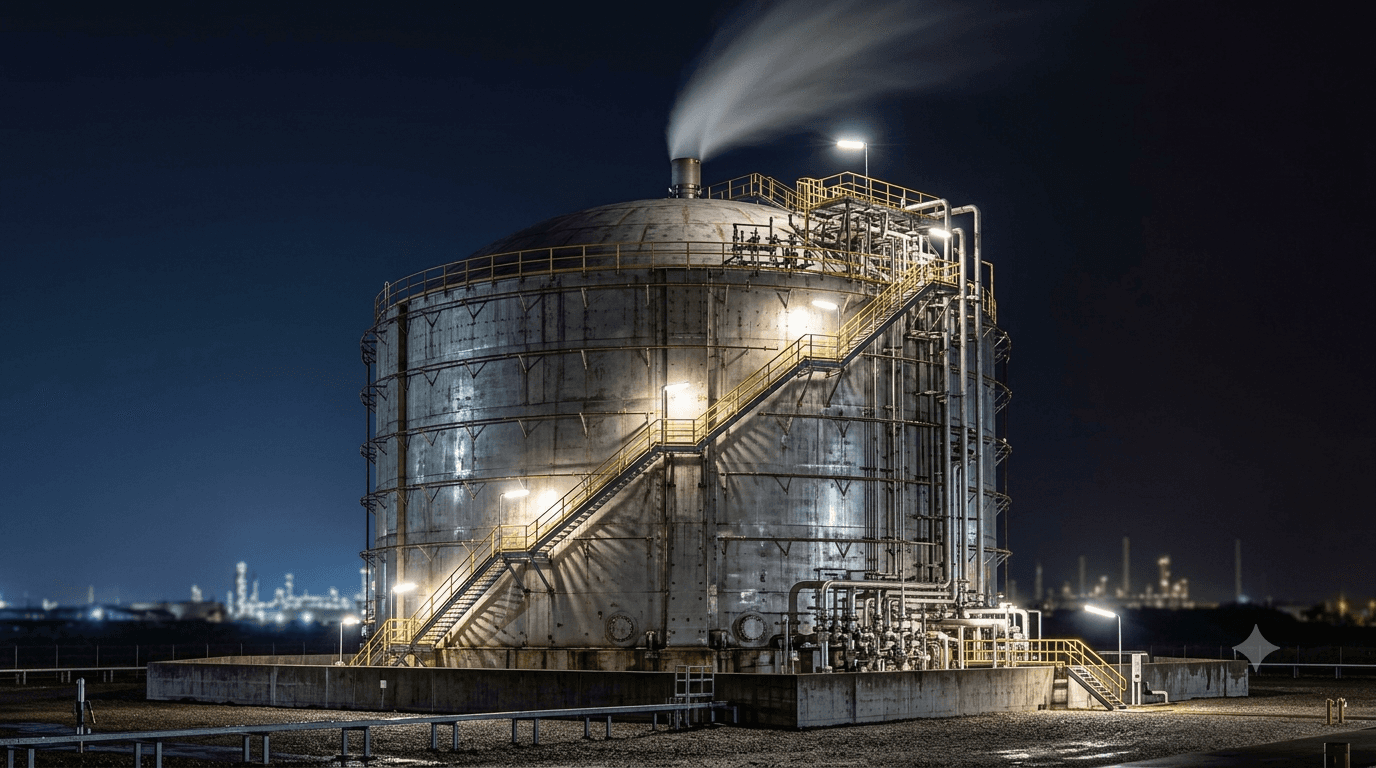
The INPEX‑Ichthys LNG industrial dispute has exposed hidden fragilities within the LNG supply chain, putting buyers and chemical producers on notice. This article explores the dispute’s implications for energy security, feedstock availability and procurement strategy, offering practical lessons for the Asia Pacific market.

The 2026 Hormuz crisis demonstrated that shipping chokepoints are no longer theoretical risks. For chemical buyers, understanding which products depend on vulnerable trade corridors has become essential for procurement planning and supply chain resilience.
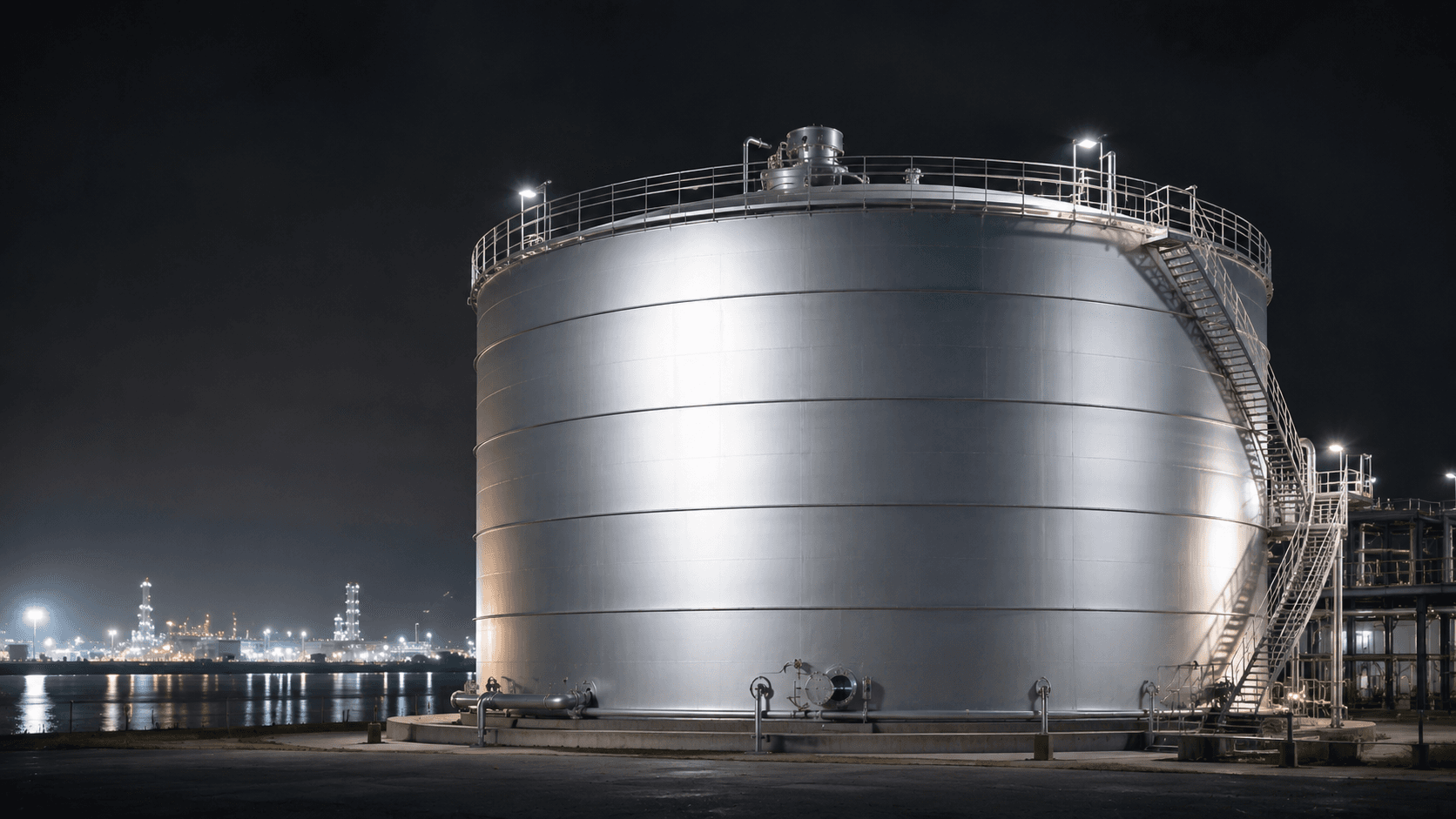
Naphtha markets remain under pressure as Japan relies on strategic reserves and South Korean producers declare force majeure across downstream contracts. Procurement teams across plastics and fibers face difficult sourcing decisions while waiting for post-ceasefire supply normalization.
Petrochemical markets entered Q3 2026 with uncertainty still dominating procurement decisions. From Hormuz shipping recovery to Chinese MTO output and European cracker utilization, five critical variables could reshape chemical prices over the coming months.
We're committed to your privacy. Tradeasia uses the information you provide to us to contact you about our relevant content, products, and services. For more information, check out our privacy policy.