
Related Insights
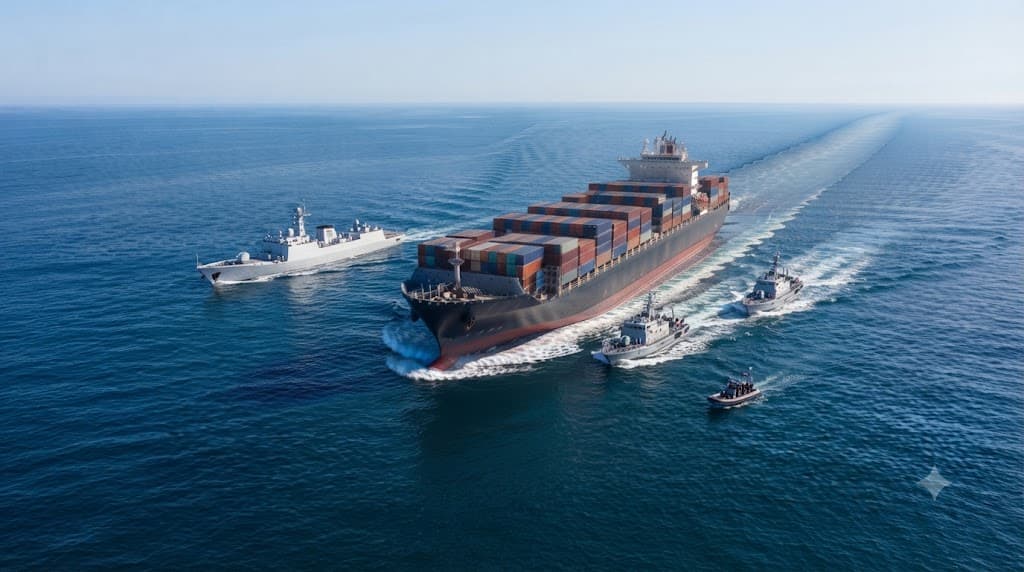
Vessel Interception Intelligence: Four Weekend Detentions Signal Enforcement Shift
Iran's interception of four vessels over the weekend reveals critical insights into its naval enforcement posture. Chemical buyers must assess supply chain vulnerabilities and adjust sourcing strategies immediately.
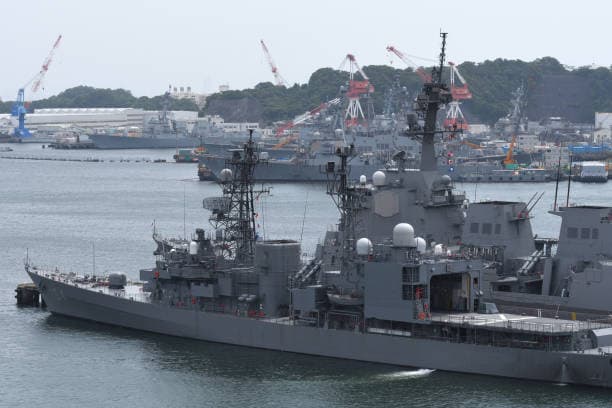
Jordan Base Strike Signals Wider Logistics Risk Beyond the Strait
The recent strike on a Jordanian military base has highlighted that security threats in the Middle East extend far beyond the Strait of Hormuz. Freight planners must now account for new risks that can disrupt transport corridors and chemical supply chains across the region.
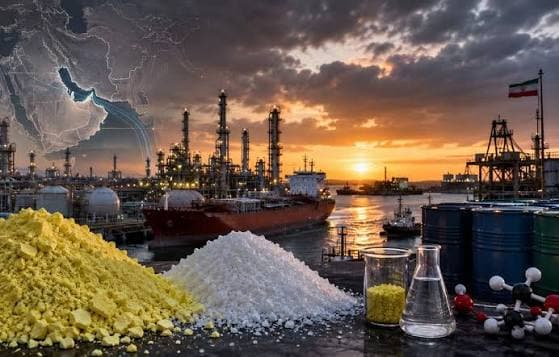
Methanol: Ar-Razi's Suspended Exports and the Japanese JV's Q3 Supply Gap
The suspension of methanol exports from Ar-Razi Saudi Methanol, one of the world’s largest methanol producers and a critical Mitsubishi Gas Chemical joint venture, became one of the most important supply disruptions of the 2026 Hormuz crisis. This week may determine whether improving shipping conditions finally allow commercial supply recovery to begin.

Tropical Storm Arthur and Gulf Coast Chemical Disruption: What It Means for Corn Starch, Glucose and Dextrose Supply
Tropical Storm Arthur has renewed attention on Gulf Coast supply chain risk just as the 2026 Atlantic hurricane season begins. Find out how refinery shutdowns, logistics disruptions and weather uncertainty could affect procurement strategies for corn starch, glucose and dextrose buyers during the second half of 2026.
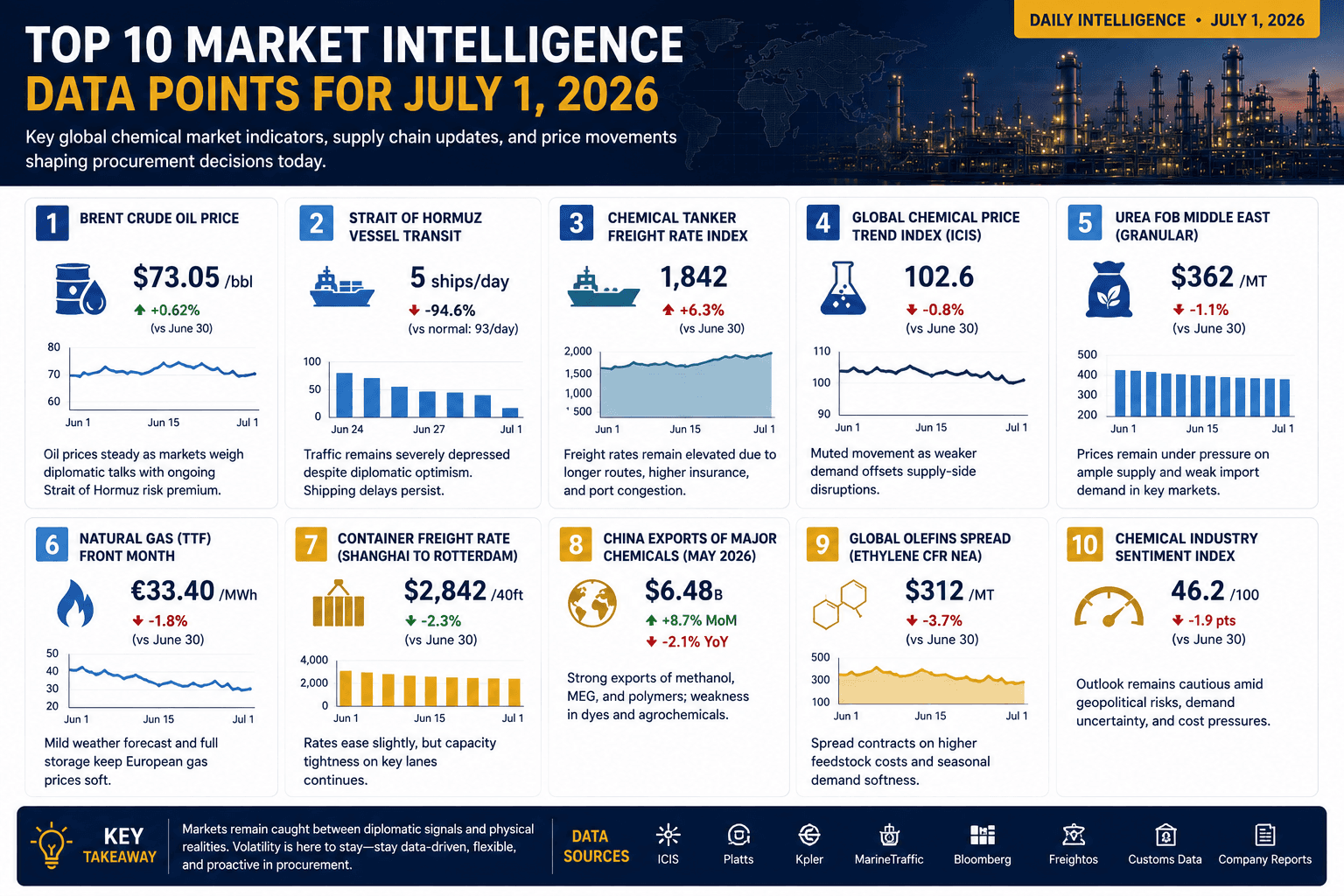
Top 10 Market Intelligence Data Points for July 1, 2026
July 1 begins H2 2026 with conflicting market signals for chemical procurement professionals. While oil prices remain stable and diplomacy improves, shipping disruption, insurance risk, new regulations, and supply chain bottlenecks continue shaping one of the most complex operating environments the chemical industry has faced all year.

Doha Talks Today: What US-Iran Negotiations Mean for Chemical Shipping Logistics and Global Procurement
Today's Doha talks could reshape chemical shipping logistics across the Gulf. With elevated maritime risk, delayed vessel movements and cautious carrier policies, procurement teams need to understand how today's diplomatic outcome could affect Q3 sourcing, freight costs and supply chain planning.
Don't miss out on our updates! Subscribe to our newsletter now
We're committed to your privacy. Tradeasia uses the information you provide to us to contact you about our relevant content, products, and services. For more information, check out our privacy policy.