

Methanol CAS: 67-56-1
Methanol CAS: 67-56-1
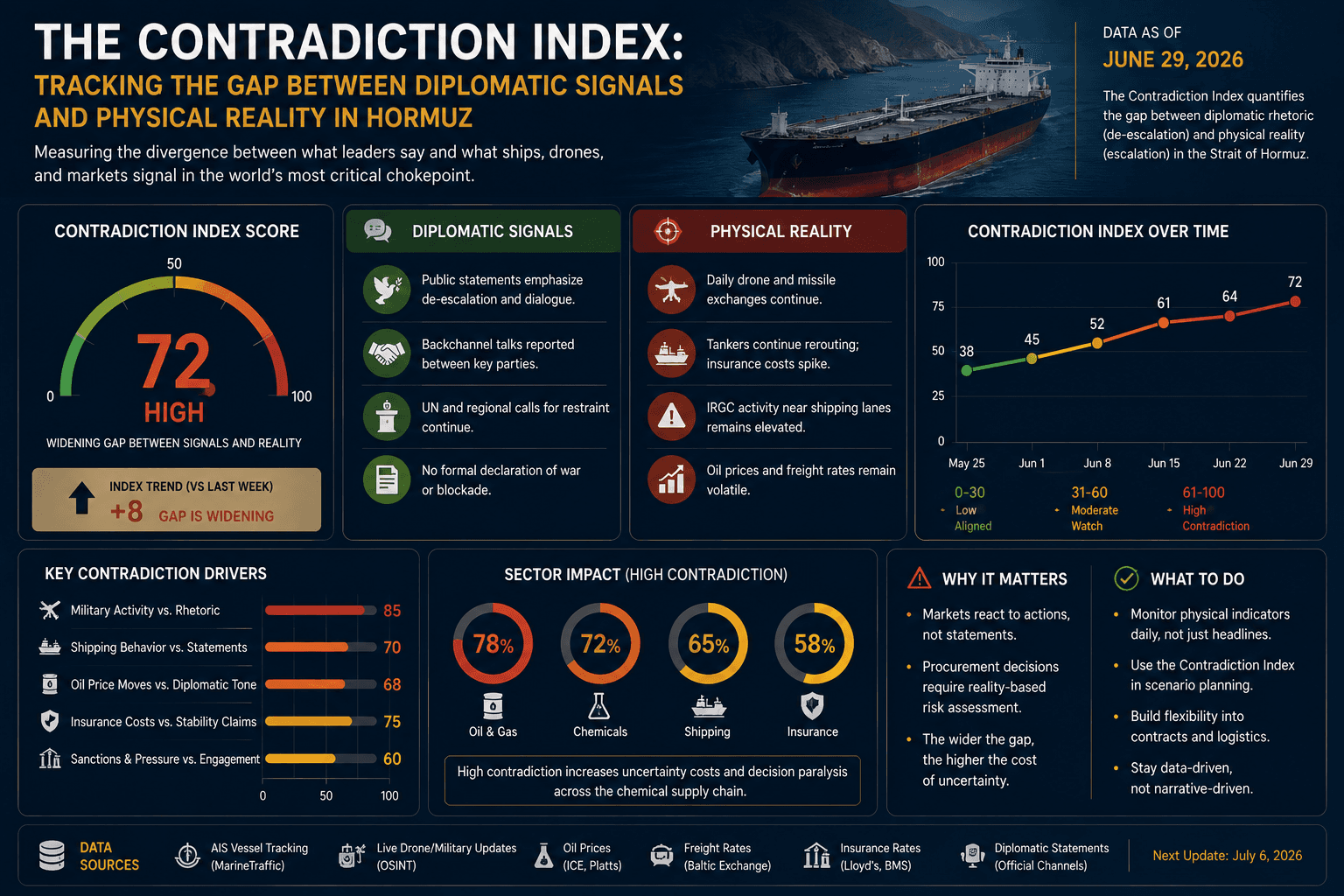
July 1 reveals the biggest contradiction of the Hormuz crisis so far: diplomacy suggests progress, but physical shipping data shows continued disruption. For chemical procurement professionals, understanding the gap between political signals and operational reality has become essential for making correct supply chain decisions.

India’s emergency duty waiver on 40 petrochemical products expires June 30, 2026, raising import costs for polymers, surfactants, and intermediates. Procurement teams now face a new pricing environment as downstream industries prepare for higher costs.
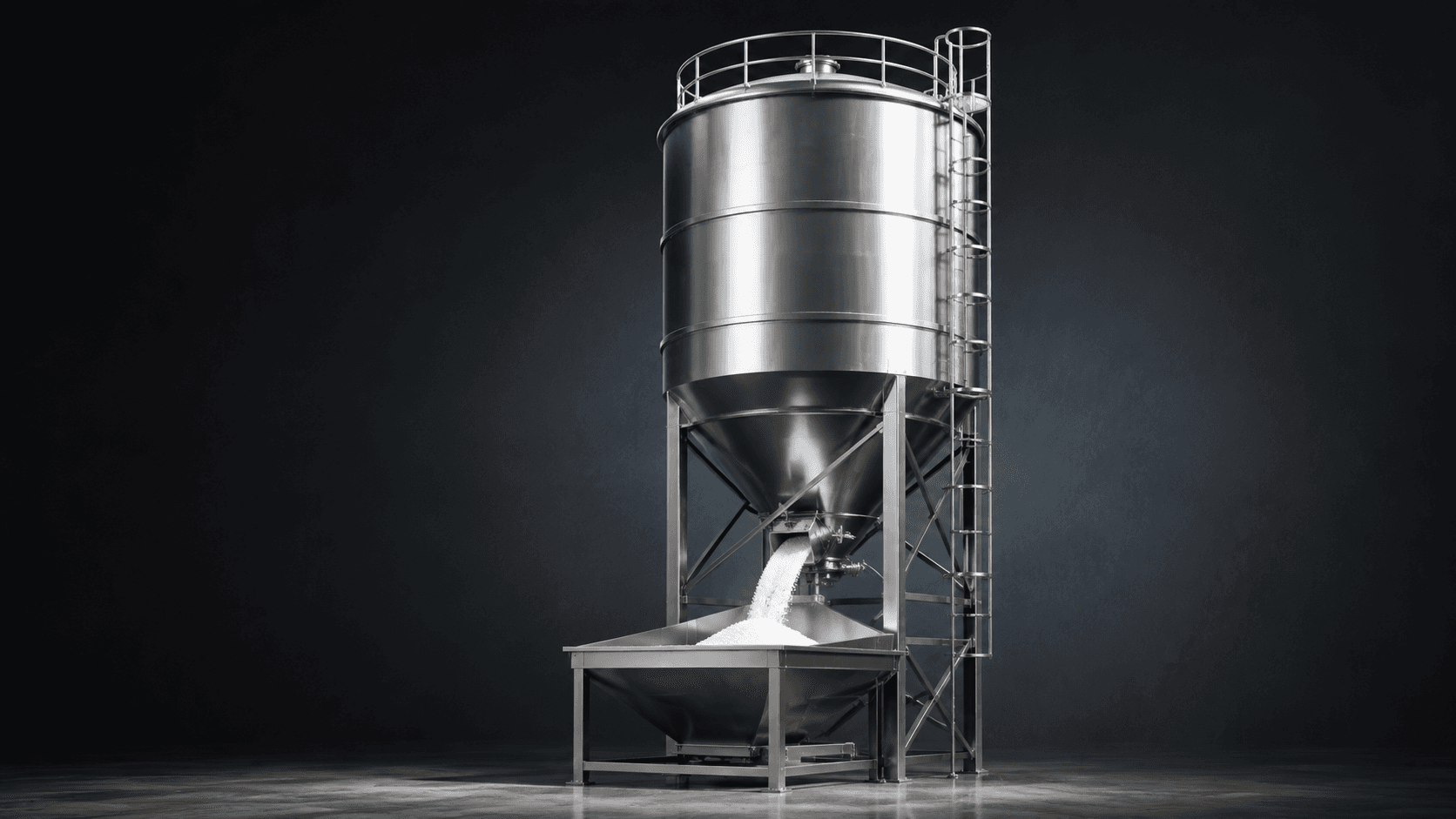
Soda ash markets in China and Europe are moving in opposite directions as oversupply meets scarcity. This June 2026 analysis explores the drivers behind the widening price gap and the opportunities emerging for traders, importers and procurement teams.

From natural disasters and geopolitical conflicts to infrastructure bottlenecks and feedstock shortages, the chemical industry has repeatedly learned expensive lessons about supply chain risk. These five events continue to shape procurement strategy in 2026.
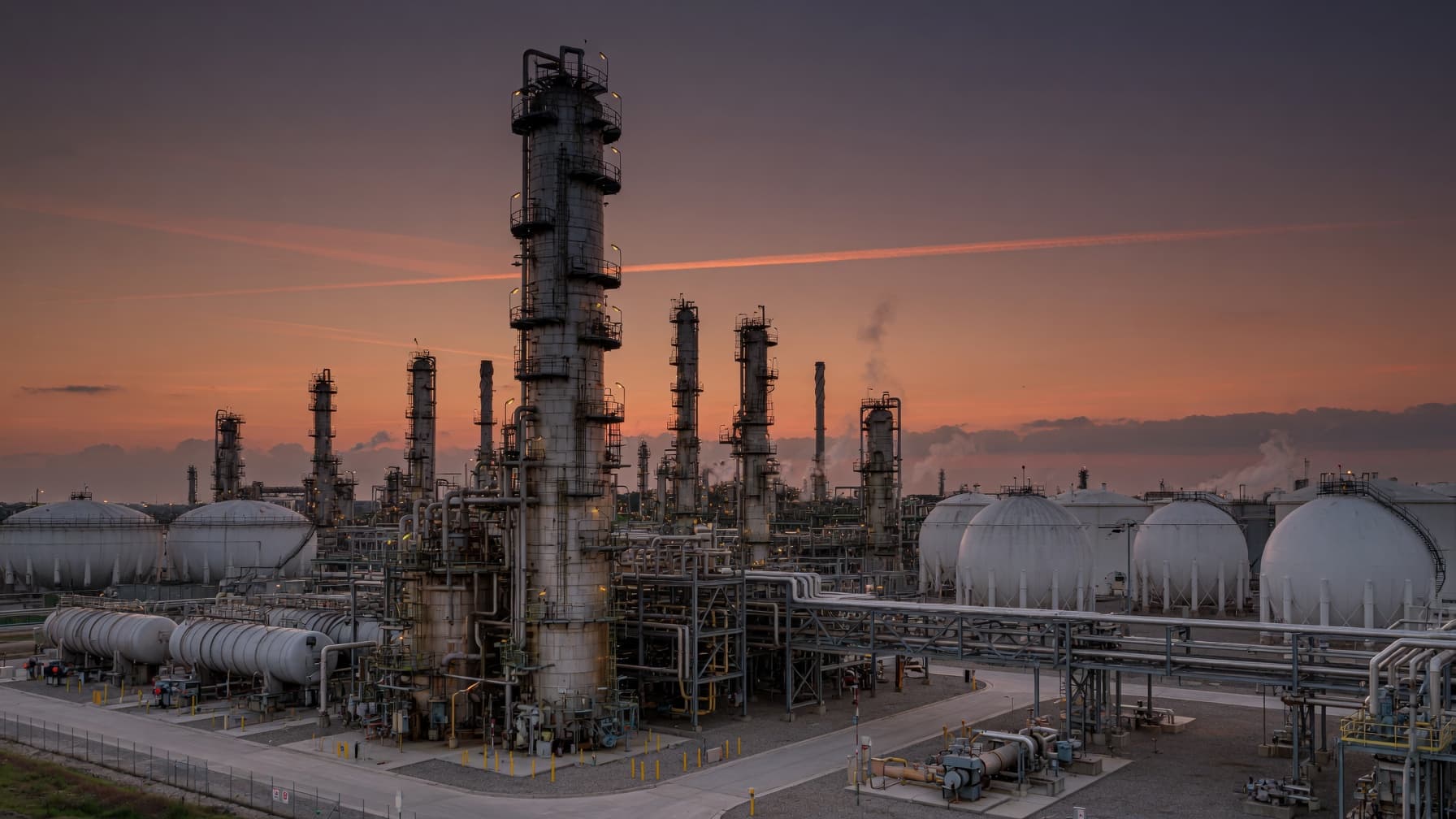
A missile strike near Israel’s Haifa petrochemical complex has raised new concerns about regional chemical supply risks. Buyers are monitoring refinery operations, feedstock availability and the impact on global market stability.

Glacial acetic acid markets in 2026 are increasingly influenced by methanol costs and geopolitical disruptions. The Hormuz crisis has tightened feedstock economics, while evolving tariff proposals and strong downstream demand continue to reshape global sourcing strategies.
We're committed to your privacy. Tradeasia uses the information you provide to us to contact you about our relevant content, products, and services. For more information, check out our privacy policy.