USDA Crop Progress: Week 26 Pollination Data and H2 Starch Ingredient Outlook
Introduction
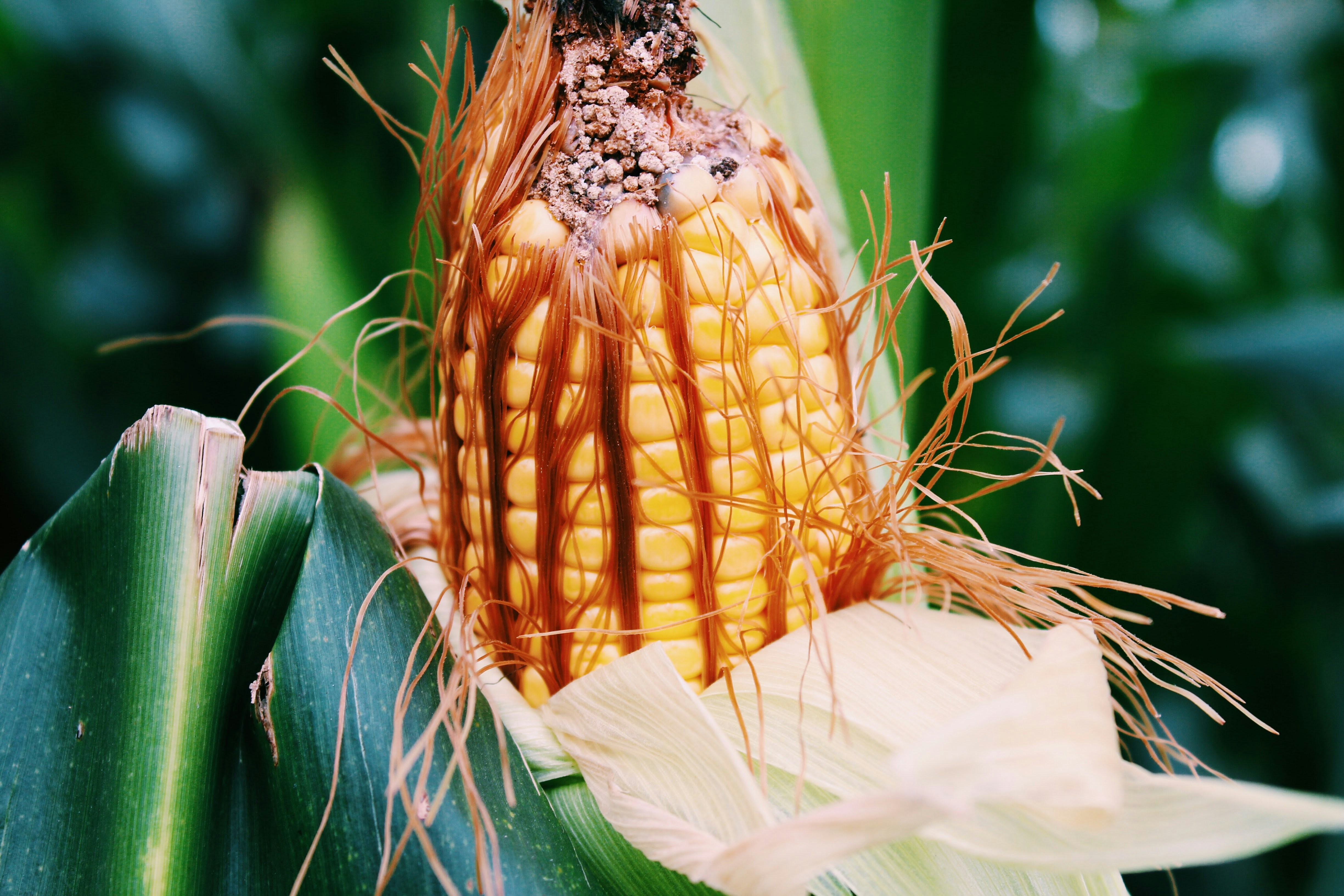
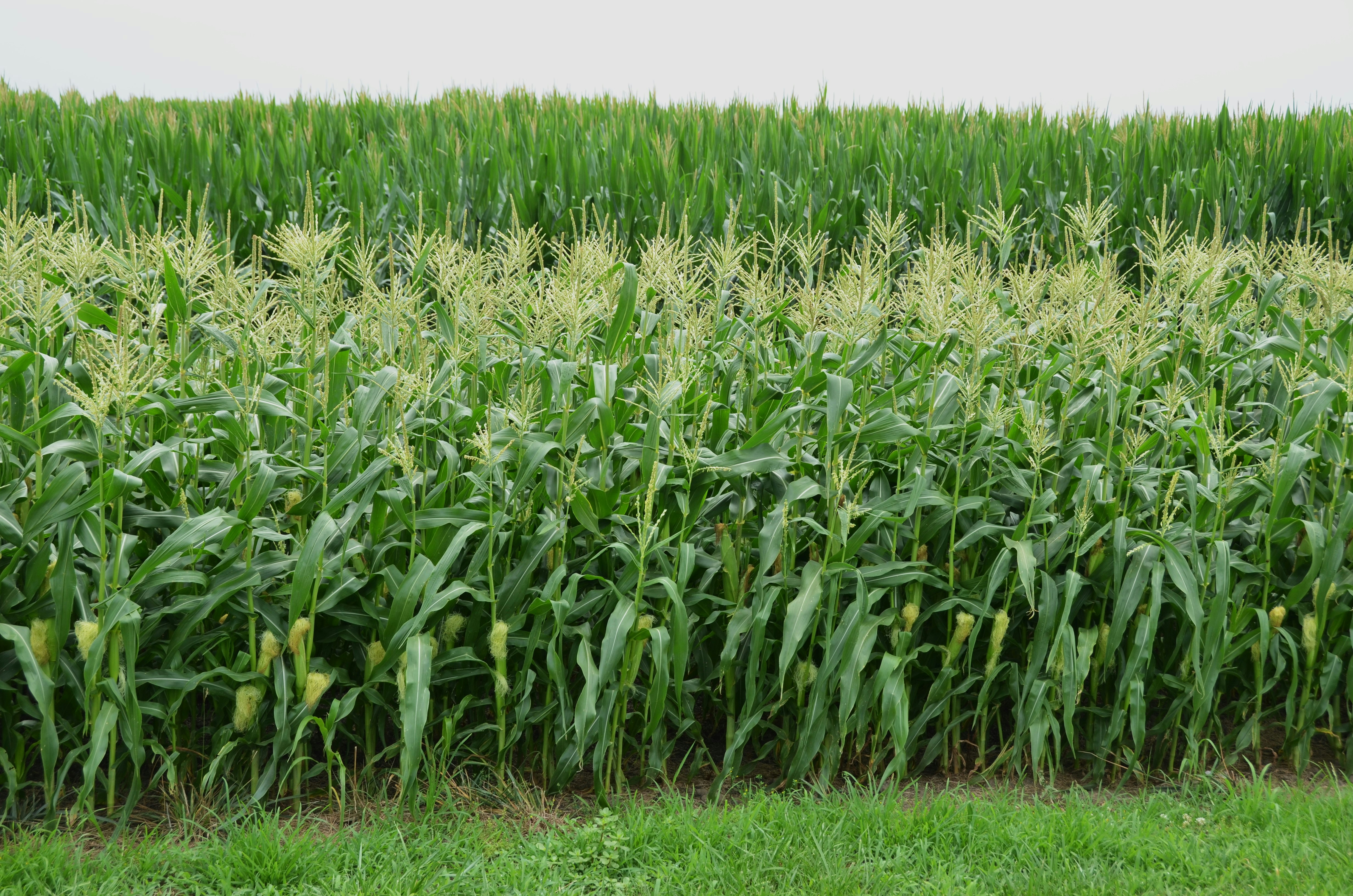
The release of the USDA Week 26 Crop Progress Report provides an important checkpoint for procurement teams monitoring the starch ingredient market. Pollination is one of the most critical stages in corn development, and crop conditions during this period can significantly influence harvest expectations, raw material availability, and pricing trends for the second half of the year.
Since corn is the primary feedstock for many starch-based ingredients—including native starches, modified starches, corn syrup, dextrose, maltodextrin, and other food ingredients—buyers closely follow USDA crop updates to anticipate market movements and optimize procurement strategies.
Why Week 26 Pollination Data Matters
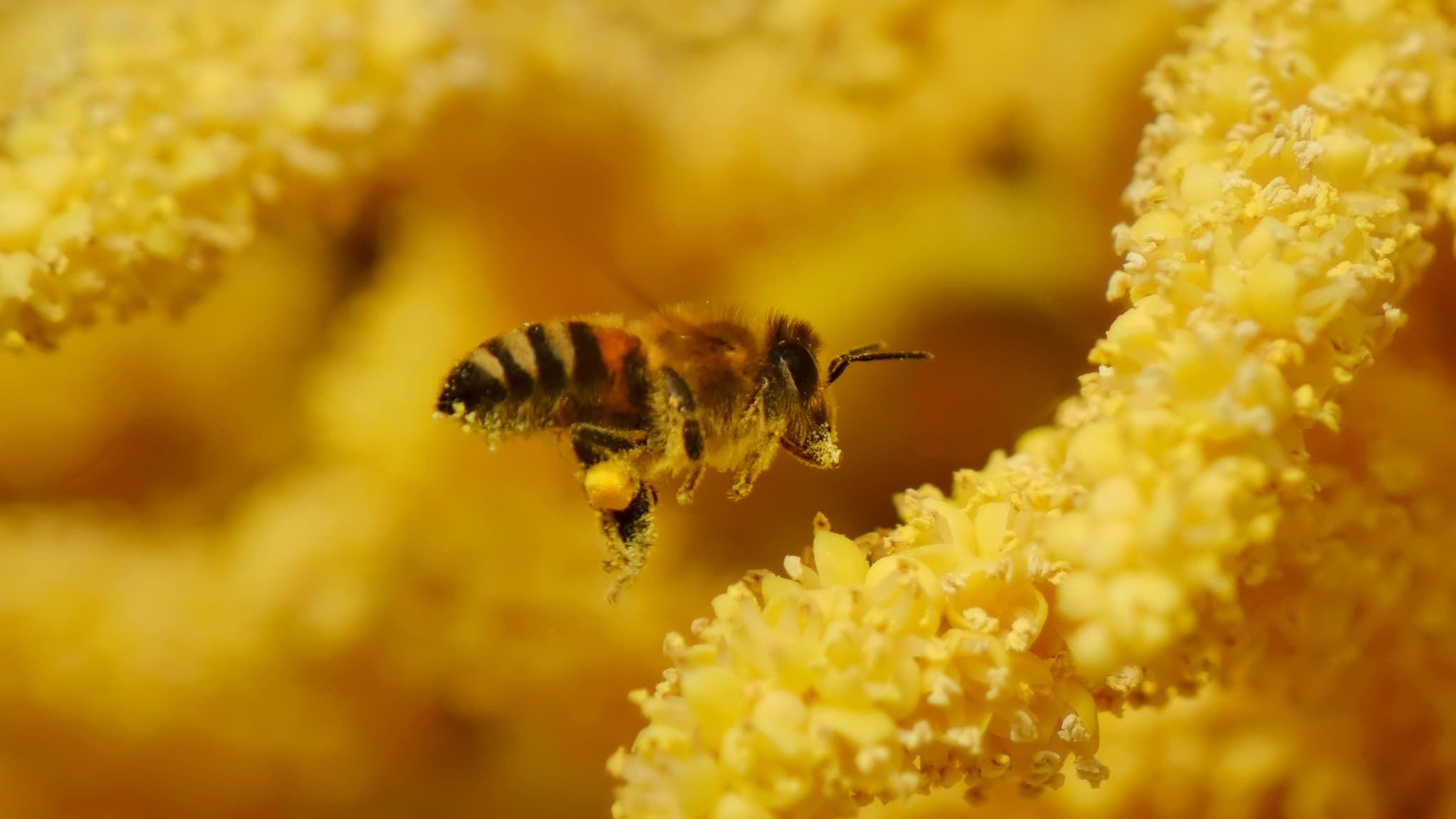
The pollination stage plays a decisive role in determining final crop yields. Favorable weather conditions during this period generally support strong kernel development, while excessive heat, drought, or heavy rainfall can reduce productivity.
For starch ingredient buyers, Week 26 data offers early insight into:
Expected corn yield potential.
Raw material supply outlook.
Price direction for starch-based ingredients.
Procurement planning for H2.
Inventory management decisions.
Strong pollination results often increase confidence in future supply, while weaker crop conditions may signal tighter markets later in the year.
Current Crop Progress Snapshot
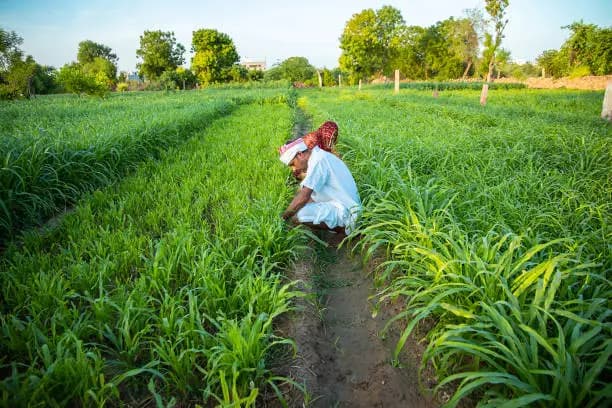
The latest USDA crop progress report indicates that corn development remains broadly on schedule across major producing regions. While growing conditions vary by location, overall crop health has remained relatively stable heading into the pollination period.
Key observations include:
Pollination is progressing at a typical seasonal pace.
Most production regions continue to report favorable crop conditions.
Soil moisture levels remain adequate in many growing areas.
Localized weather variability continues to require monitoring.
Yield expectations remain dependent on weather during the coming weeks.
The next several weeks will be critical in confirming whether current production expectations can be maintained through harvest.
Impact on Starch Ingredient Markets
Changes in corn production directly influence the economics of starch manufacturing. Stable harvest expectations generally support consistent raw material availability, while lower yields can increase production costs throughout the value chain.
Ingredients likely to be affected include:
Native Corn Starch
Widely used across food processing, paper manufacturing, and industrial applications, native starch pricing closely follows corn market fundamentals.
Modified Starches
Food manufacturers rely on modified starches for texture, stability, and shelf-life enhancement. Raw material cost changes can influence supplier pricing.
Maltodextrin
Used extensively in beverages, confectionery, dairy products, and nutritional formulations, maltodextrin pricing often reflects broader corn market conditions.
Dextrose and Glucose Syrups
Sweetener manufacturers monitor corn availability carefully since production costs depend heavily on starch feedstock prices.
Corn Syrup
Food and beverage producers should continue tracking crop progress because corn supply directly affects syrup production economics.
Procurement Considerations for H2
With pollination underway, procurement teams should begin evaluating sourcing strategies for the remainder of the year.
Recommended actions include:
Monitor USDA Reports Regularly
Weekly crop progress updates provide valuable signals about potential changes in supply conditions before harvest begins.
Secure Supply Agreements
Where pricing aligns with procurement budgets, early contract negotiations may reduce exposure to future market volatility.
Review Inventory Levels
Maintaining balanced inventory can help businesses respond effectively if crop conditions deteriorate later in the growing season.
Diversify Supplier Sources
Multiple sourcing options improve supply resilience and reduce dependence on a single supplier or region.
Track Related Cost Drivers
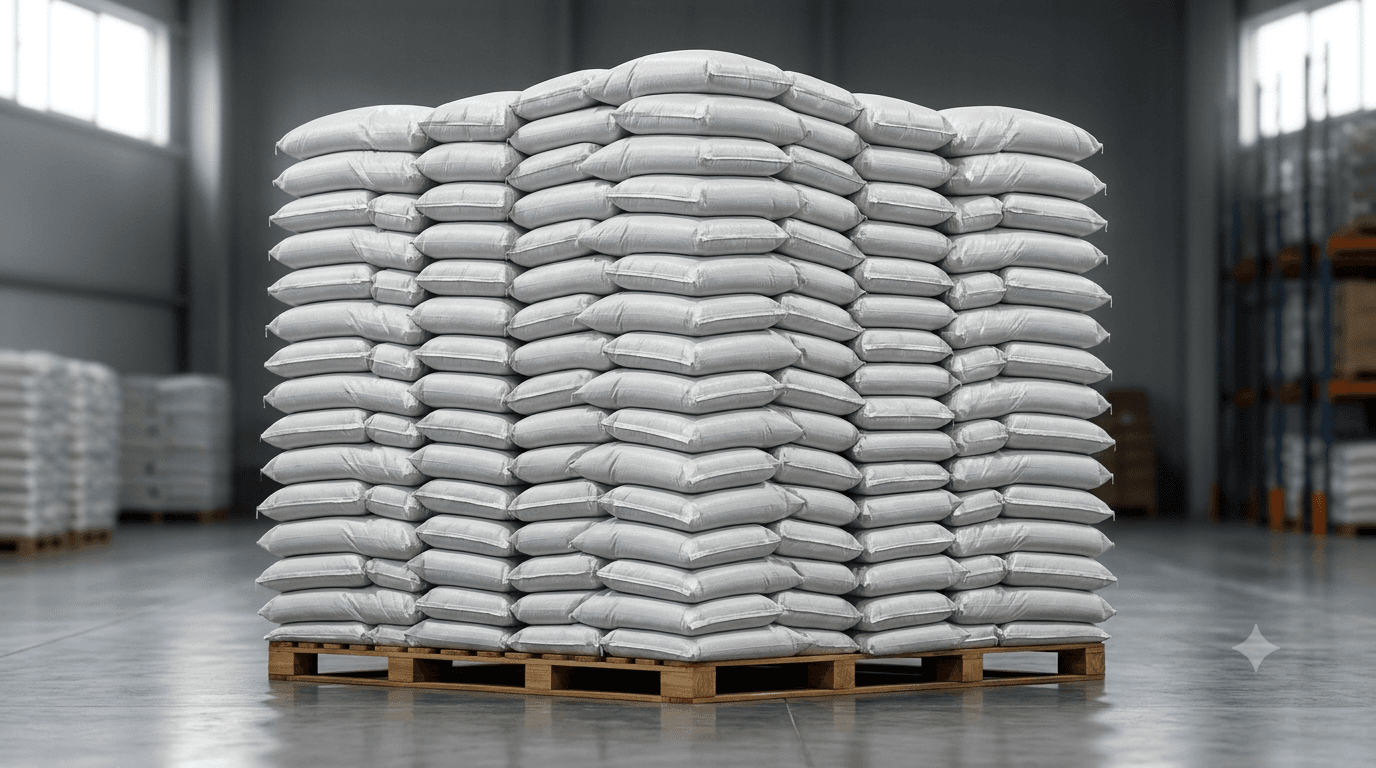
In addition to crop conditions, buyers should monitor freight rates, energy costs, currency movements, and logistics performance, all of which contribute to total landed cost.
Risks That Could Change the Outlook
Although current crop conditions appear relatively stable, several factors could alter the starch ingredient outlook during H2.
Procurement teams should continue watching for:
Prolonged heatwaves during pollination.
Drought affecting key corn-growing regions.
Excessive rainfall and flooding.
Pest and disease pressure.
Rising transportation and logistics costs.
Global demand shifts for corn-based products.
These variables may influence both raw material availability and ingredient pricing as the harvest season approaches.
H2 Market Outlook
If favorable weather continues through the remainder of the growing season, starch ingredient markets are expected to benefit from improved raw material availability and relatively stable pricing. However, because pollination is only one stage of crop development, buyers should avoid relying solely on early-season optimism.
A disciplined procurement strategy that combines regular USDA monitoring with supplier engagement and market intelligence will help businesses respond quickly to changing conditions and maintain cost competitiveness throughout H2.
Conclusion
The USDA Week 26 Crop Progress Report provides valuable insight into the future direction of starch ingredient markets. Pollination performance offers one of the earliest indicators of harvest potential, making it an essential tool for procurement planning.
Organizations that closely monitor crop developments, evaluate supplier contracts proactively, and integrate agricultural market intelligence into their sourcing strategies will be better positioned to manage costs, secure supply, and navigate market uncertainty during the second half of the year.
Corn Starch CAS: 9005-25-8