Explore our network of country and industry based websites to access localized information, product offerings, and business services across our group.
Access reliable chemical market information through our update channels.
Real-time Updates
Daily Updates
Log in to start sending quotation requests for any product.
Don't have an account? Sign Up Here
Log in now to access technical product documents from our product range.
Don't have an account? Sign Up Here
Home All Products Polyvinyl Alcohol - China
|
IUPAC Name |
: ethenol |
|
Cas Number |
: 9002-89-5 |
|
HS Code |
: 3905.30.00 |
|
Formula |
: [-CH2CHOH-]n |
|
Appearance Name |
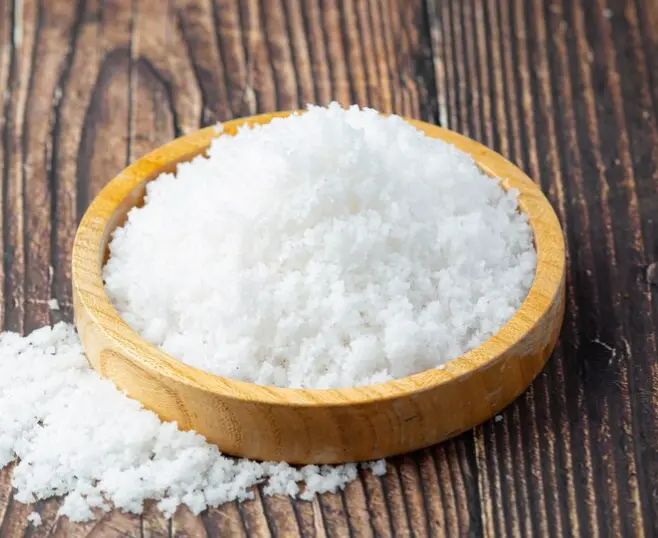
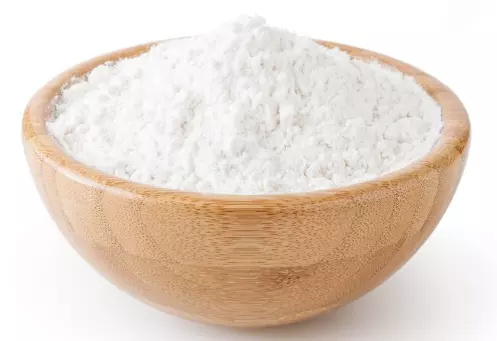
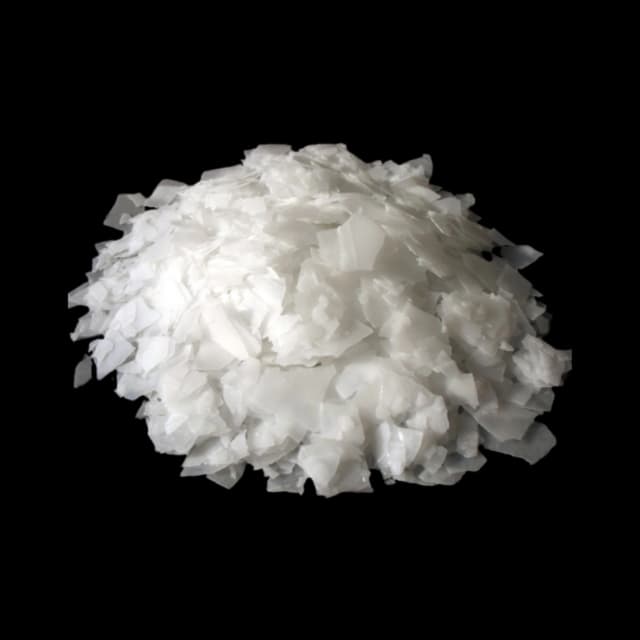
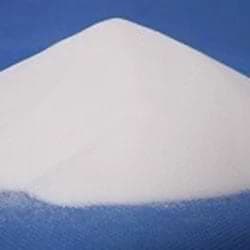
: White Transparent Powder or Granule |
|
Common Names |
: PVA, PVOH, Poly(Ethenol), Gohsenol, Kuraray Poval, Mowiol, Selvol, Exceval, Polyviol, Sinopac, Elvanol |
|
Packaging |
: 720 @ 25 kg PP/PE bag,18 MT / 20FCL |
For more detailed information including pricing, customization, and shipping:
Polyvinyl alcohols, also known as Polyethanol or PVA, are polymers from its monomer vinyl alcohol. Polyvinyl alcohol is physically odorless and tasteless, translucent, non- toxic, white or cream colored granular powder. The specific functional and physical characteristics of polyvinyl alcohol will depend on the degree of hydrolysis and the degree of polymerization. Because of that, polyvinyl alcohol is classified into two classes namely: partially hydrolyzed and fully hydrolyzed. Partially hydrolyzed PVA is usually applied in the food industry.
The primary raw material used in the manufacture of polyvinyl alcohol is a vinyl acetate monomer. It is manufactured by the polymerization of vinyl acetate followed by partial hydrolysis. The process of hydrolysis is based on the partial replacement of the ester group in vinyl acetate with the hydroxyl group and is completed in the presence of aqueous sodium hydroxide. Following gradual addition of the aqueous saponification agent. Polyvinyl alcohol is precipitated, washed, and dried. The degree of hydrolysis is determined by the time point at which the saponification reaction is stopped.
Polyvinyl alcohol (PVA) is used as a soil improving agent and pesticide reinforcing agent.
Polyvinyl alcohol is used as a polymer emulsifying agent, dispersing agent, and used to produce PVA formal, PVA acetal, PVA butyral.
PVA is used as an additive to cement and mortar for an efficient increase of their cohesion and fluidity, and reduce the drying time for the concrete surface, thus increasing coating adaptability and preventing the concrete cloth from chapping.
In food manufacturing, polyvinyl alcohol (PVA) is used as a food additive used as a film coating agent for food supplements.
PVA is used as a binding agent for paper, re-moistening agent, paper surface sizing. It is also used for paper pigment coating and papermaking.
Polyvinyl alcohol is used as a warp dressing agent, textile finishing agent, and the raw material of vinylon.