Introduction
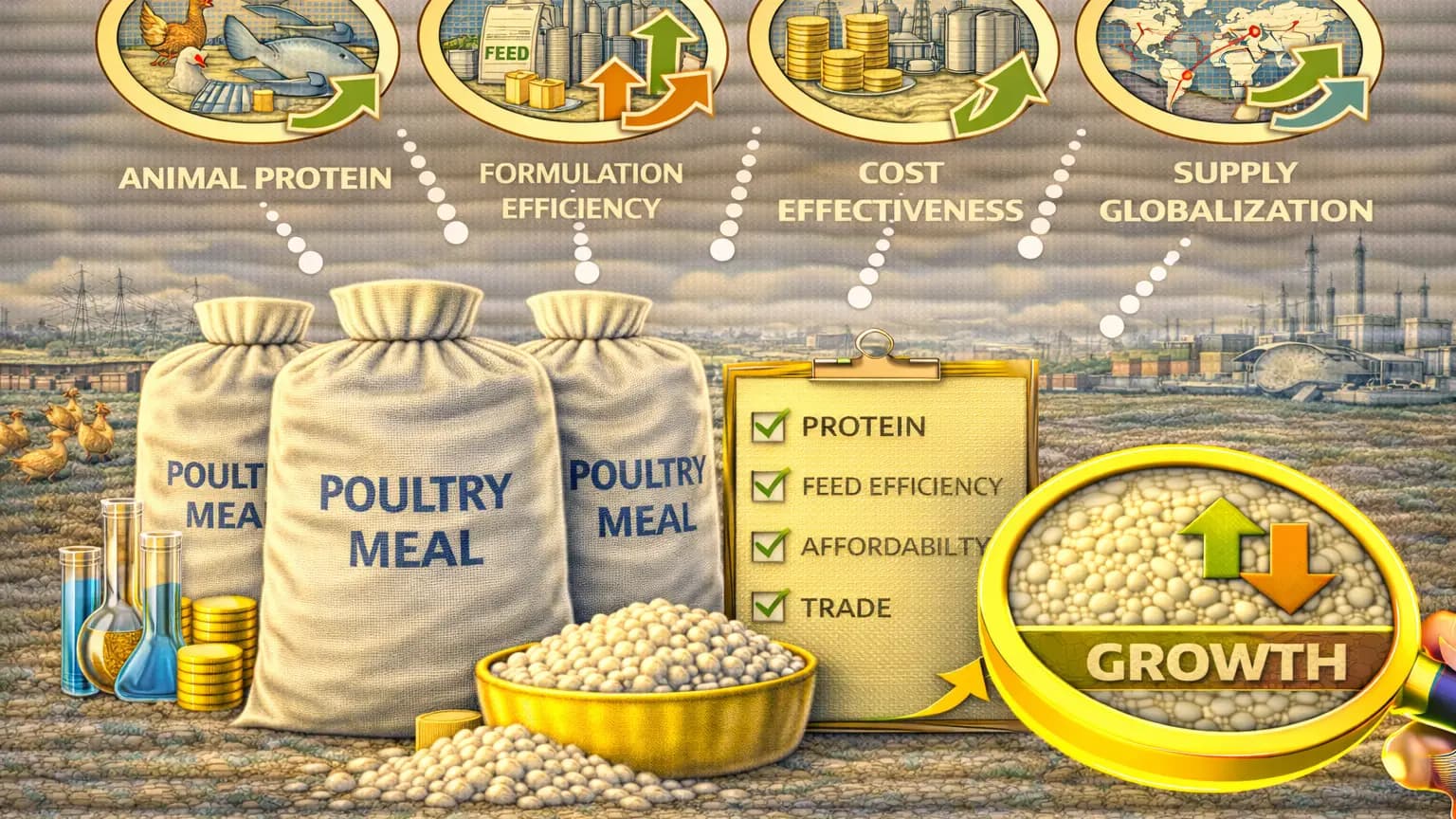
The global animal feed industry is in a state of dynamic evolution, driven by the dual pressures of rising protein demand and the urgent need for sustainable production practices. In this landscape, poultry meal has emerged from a niche ingredient to a cornerstone of modern feed formulation, particularly in markets like America. As a concentrated protein source derived from clean, rendered parts of poultry, it offers a compelling answer to some of the industry's most pressing challenges. Its integration into diets for poultry, swine, aquaculture, and pets is not just a trend but a strategic shift towards efficiency and circular economy principles.
This article delves into the multifaceted reasons behind the growing dominance of poultry meal in feed mills across the United States and beyond. We will explore its nutritional profile, the economic and environmental drivers fueling its adoption, and its specific applications within the American agricultural context. Furthermore, we will examine how partnering with reliable global suppliers is crucial for securing consistent, high-quality product that meets stringent safety and nutritional standards, ensuring that the potential of this versatile ingredient is fully realized.
Understanding Poultry Meal: Composition and Production
Poultry meal is distinctly different from poultry by-product meal or feather meal. It is defined as the dry rendered product from a combination of clean flesh and skin, with or without accompanying bone, derived from the parts of whole poultry carcasses. The rendering process involves cooking, drying, and grinding these materials to produce a stable, shelf-stable powder or granule. This meticulous process eliminates moisture and fat, resulting in a highly concentrated protein product typically ranging from 60% to 65% crude protein, with a favorable amino acid profile rich in lysine and methionine—critical for growth and development in livestock and aquaculture species.
The quality and specifications of poultry meal can vary based on the raw material source and processing standards. Key quality indicators include protein content, ash (mineral) content, fat level, and digestibility. High-quality meal, such as that sourced through reputable platforms like Chemtradeasia.com, adheres to strict specifications ensuring low bacterial counts, the absence of harmful pathogens, and consistent nutritional value. This reliability is paramount for feed formulators who require precise inputs to create balanced rations that optimize animal health and performance.
Key Drivers Behind Poultry Meal's Rising Popularity
Several powerful macroeconomic and industry-specific trends are converging to propel poultry meal to the forefront. Firstly, the volatility and soaring costs of traditional protein sources like fishmeal and soybean meal have forced nutritionists to seek cost-effective alternatives without compromising quality. Poultry meal provides a competitively priced, high-protein option that can partially or fully replace these more expensive ingredients, directly impacting feed cost per ton—a critical metric for profitability in intensive farming operations across America.
Secondly, the sustainability imperative is a major driver. The rendering process at the heart of poultry meal production is a quintessential example of upcycling, transforming animal by-products that would otherwise be waste into a valuable resource. This aligns perfectly with global goals for reducing environmental footprint and promoting a circular bio-economy. Furthermore, from a food security perspective, using poultry meal reduces the industry's reliance on human-edible protein sources (like grains and fish suitable for direct consumption), making the overall food system more efficient.
Poultry Meal in American Feed Formulations: Applications and Use Cases
In the American market, the application of poultry meal is vast and varied. In poultry farming itself, it is used in starter and broiler diets to provide a highly digestible, species-specific protein that supports rapid early growth and robust immune function. For the swine industry, it serves as an excellent protein supplement in nursery and grower-finisher diets, enhancing feed palatability and improving growth rates. Its balanced amino acid profile helps in developing lean muscle mass, a key quality parameter in pork production.
Perhaps one of the most significant growth areas is in aquaculture. As the demand for farmed fish like salmon, trout, and shrimp grows, the search for sustainable alternatives to finite marine-based proteins intensifies. Poultry meal has proven to be an effective component in aquafeeds, providing the necessary protein and energy. Additionally, the premium pet food sector in America heavily utilizes high-quality poultry meal as a named protein source in dry and wet foods for dogs and cats, catering to pet owners seeking wholesome, recognizable ingredients for their companions.
Comparative Advantages: Poultry Meal vs. Alternative Proteins
When compared to other protein sources, poultry meal holds distinct advantages. Versus fishmeal, it is generally more cost-stable and available, without contributing to the pressure on wild fish stocks. While fishmeal has slightly higher levels of certain omega-3 fatty acids, poultry meal offers comparable protein quality at a lower cost, making it a strategic choice for partial substitution. Compared to plant-based proteins like soybean meal, poultry meal is an animal-derived protein with a more complete amino acid profile and higher palatability, which is crucial for young animals and certain species like cats.
Furthermore, unlike some plant proteins that may contain anti-nutritional factors requiring processing, poultry meal is highly digestible. Its energy density, derived from both protein and fat, is also typically higher than that of many plant meals. This means animals can consume less feed to meet their energy and protein requirements, leading to improved feed conversion ratios (FCR)—a direct measure of production efficiency that directly impacts a farmer's bottom line.
Sourcing Quality: The Role of Global Suppliers like Chemtradeasia
The consistent quality and safety of poultry meal are non-negotiable for its successful integration into feed. This is where the role of established global suppliers and B2B platforms becomes critical. A supplier like Chemtradeasia.com operates as a vital link, connecting American feed manufacturers with reputable producers worldwide. They facilitate access to product that meets specific analytical specifications, such as guaranteed protein and fat levels, maximum ash content, and safety standards for contaminants like Salmonella.
These platforms provide more than just logistics; they offer market intelligence, quality assurance, and supply chain reliability. For an American feed formulator, working with a trusted supplier ensures a steady stream of poultry meal that conforms to FDA and AAFCO (Association of American Feed Control Officials) guidelines. It mitigates the risk of supply disruption and quality inconsistency, allowing nutritionists to formulate with confidence. The ability to source in bulk, with clear documentation and traceability, is essential for maintaining the integrity of the feed and the health of the animal population.
Conclusion
The ascent of poultry meal in global and American feed formulations is a testament to its multifaceted value proposition. It successfully addresses the trilemma of cost, nutrition, and sustainability that defines modern agriculture. By providing a highly digestible, cost-competitive protein source that leverages the principles of circularity, it has become an indispensable tool for nutritionists aiming to optimize animal performance while responding to broader environmental and economic pressures. Its versatility across species—from farmed fish and livestock to beloved pets—underscores its fundamental role in the protein supply chain.
As the industry continues to innovate, the demand for reliable, high-quality poultry meal will only intensify. Building strong partnerships with credible global suppliers will be key to harnessing its full potential. The shift towards ingredients like poultry meal is not merely a passing phase but a strategic realignment towards a more efficient, resilient, and sustainable future for animal production.
Disclaimer: This article is for informational and market insight purposes only. It is not intended as technical, safety, or professional advice for feed formulation or animal nutrition. The data and trends discussed are based on general industry observations. Readers are strongly advised to verify all information independently, consult with qualified nutritionists or veterinarians for specific applications, and review all official product documentation, including Safety Data Sheets (SDS), prior to use. For precise product specifications and suitability for your needs, please contact our expert team directly.