
Borax Decahydrate (Technical Grade) - Argentina CAS: 1303-96-4

Borax Decahydrate (Technical Grade) - Argentina CAS: 1303-96-4

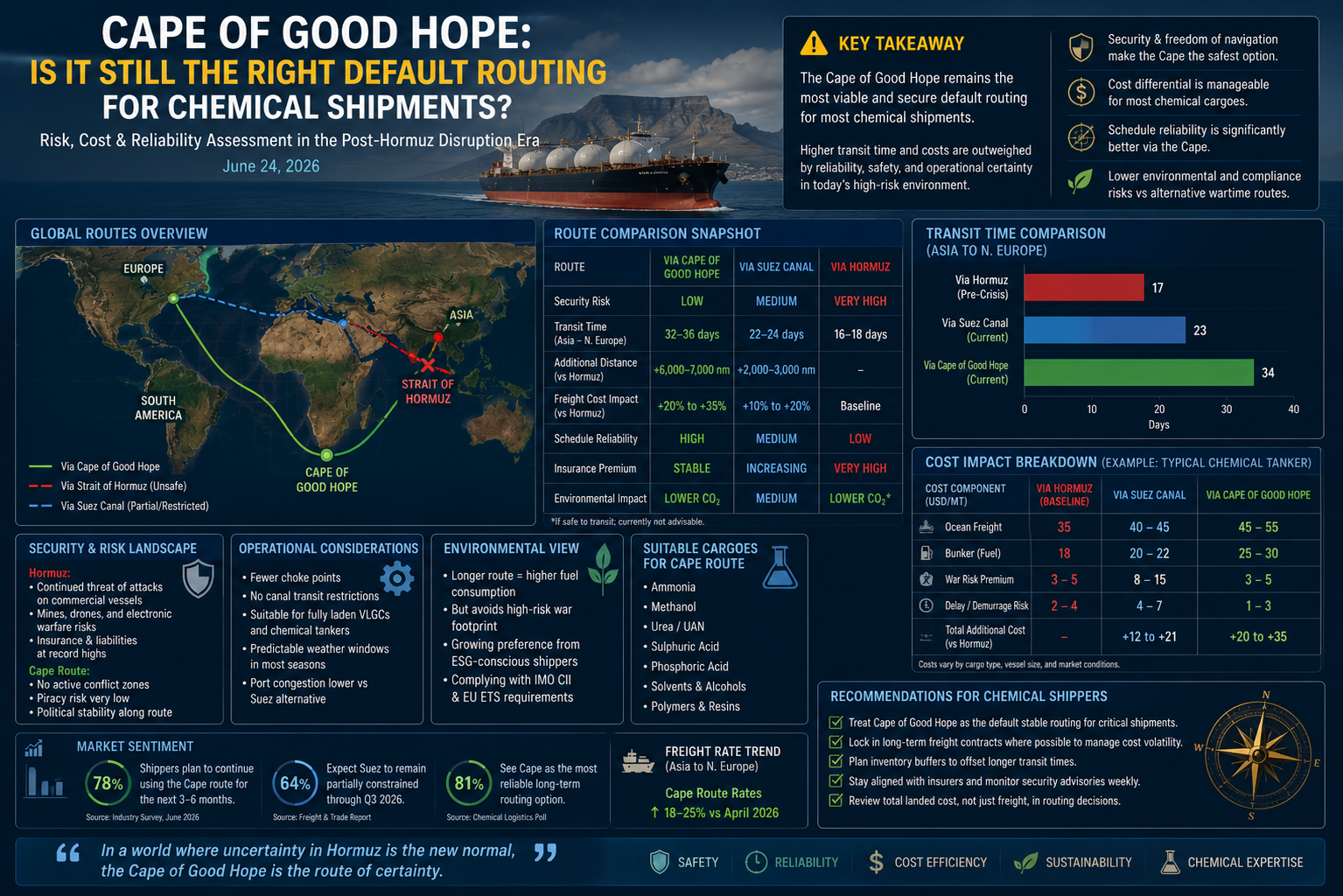
The withdrawal of P&I insurance during the earlier Hormuz disruption sparked discussion about government-backed insurance solutions for commercial shipping. Chemical procurement and compliance teams should understand how future insurance frameworks could influence freight costs and supply chain resilience.
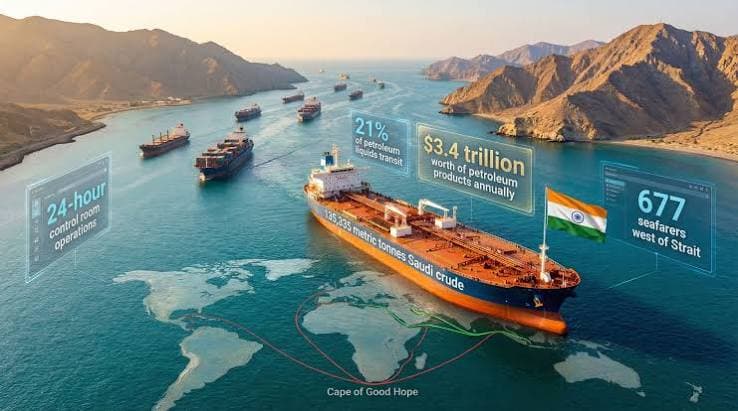
US markets pause for the Independence Day weekend, but global chemical logistics continues evolving. Here are the five operational developments procurement and supply chain professionals should monitor before trading activity resumes next week.
Tropical Storm Arthur’s July 1 Texas landfall is creating short-term supply chain risk for US food manufacturers dependent on Gulf Coast chemical production. Even temporary disruption at Eastman, Celanese, and regional logistics hubs could affect July deliveries of critical food-grade chemicals and processing aids.

Venator Materials’ looming debt restructuring could reduce European TiO2 output, tightening supply for coatings, plastics, and paper. With Gulf feedstock constraints and high shipping costs, the industry faces higher lead times and costs. Buyers must now assess supplier stability as a core procurement factor.
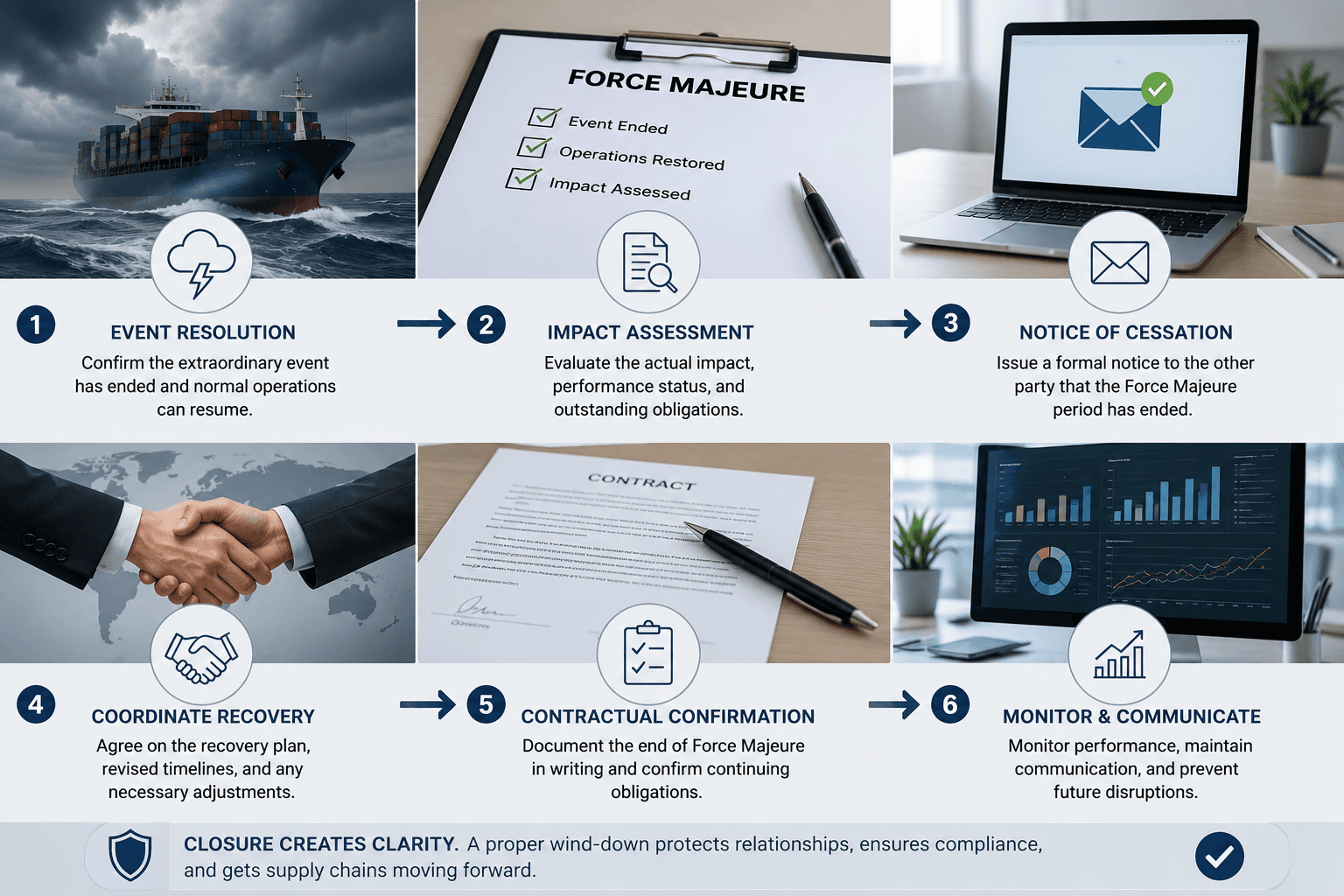
As global supply chains recover from the 2026 Hormuz disruption, companies must actively manage the formal closure of force majeure periods. Proper notice, pricing review, delivery schedule amendments, and legal review are critical to avoiding contract disputes after supply resumes.

The new US-Iran de-confliction channel is improving shipping security perceptions, but mine risks continue to influence insurance pricing. Chemical shippers should understand how underwriters are recalculating risk as conditions evolve.
We're committed to your privacy. Tradeasia uses the information you provide to us to contact you about our relevant content, products, and services. For more information, check out our privacy policy.