
Dicalcium Phosphate CAS: 7757-93-9
Dicalcium Phosphate CAS: 7757-93-9

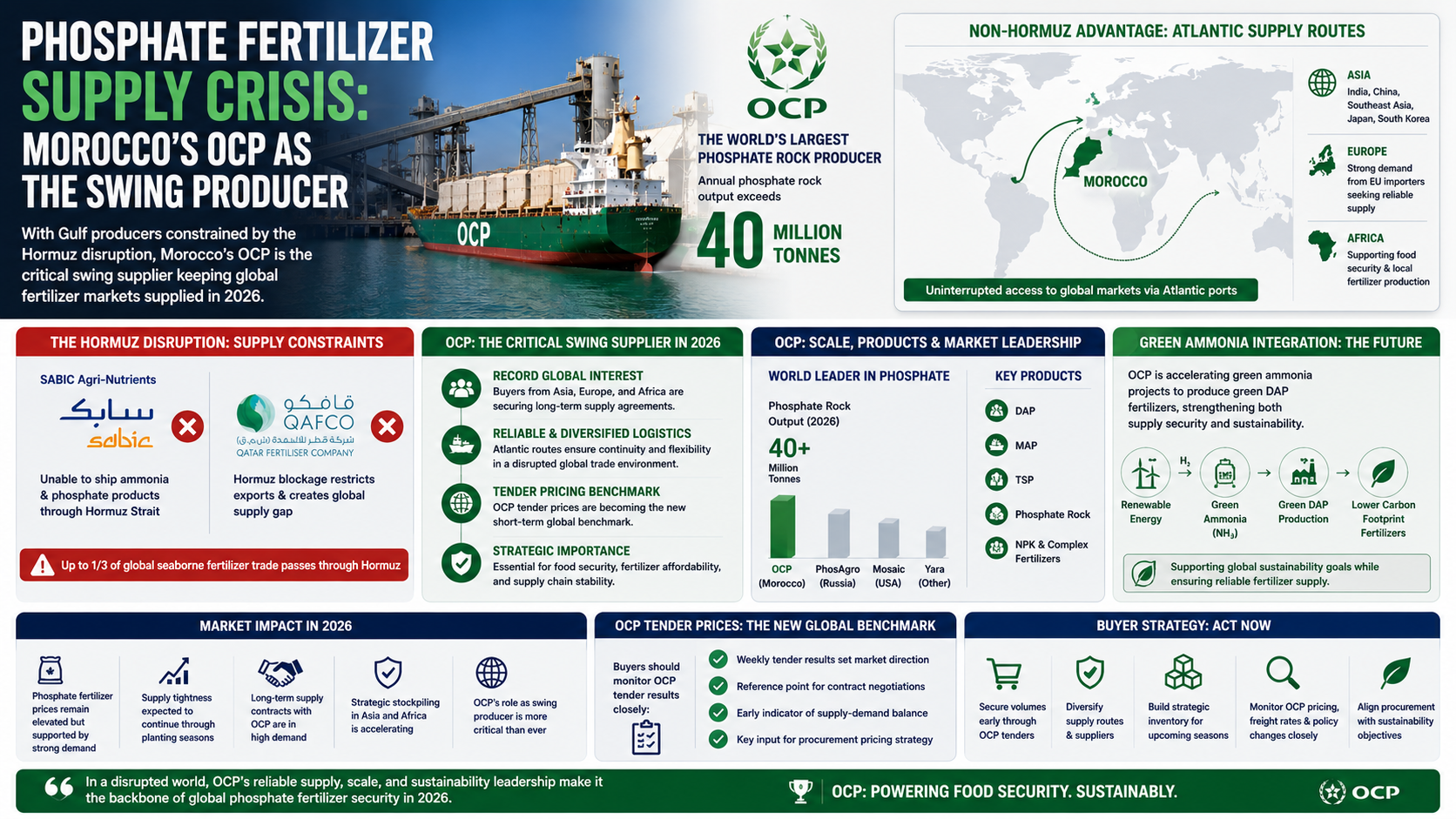
The USDA's $500 million FIELDS program continues to support domestic fertilizer production through project funding and accelerated development. Procurement professionals should understand how the initiative could influence fertilizer availability, pricing and long-term supply security.
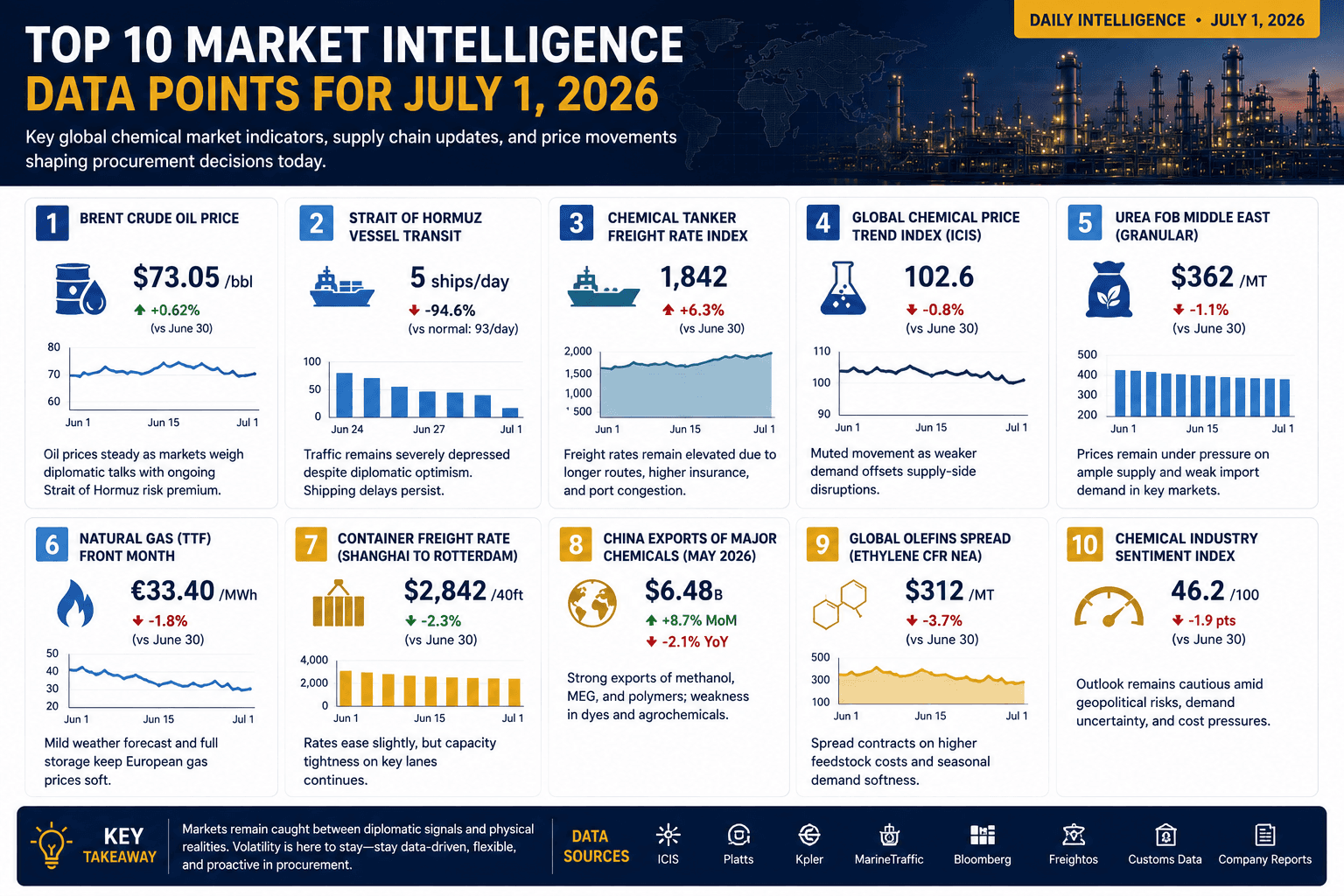
July 1 begins H2 2026 with conflicting market signals for chemical procurement professionals. While oil prices remain stable and diplomacy improves, shipping disruption, insurance risk, new regulations, and supply chain bottlenecks continue shaping one of the most complex operating environments the chemical industry has faced all year.
Caustic soda and soda ash markets closed H1 2026 with more stable conditions compared with several crisis-affected chemical segments. Buyers can use current trends as a reference point for H2 procurement planning and cost assessments.
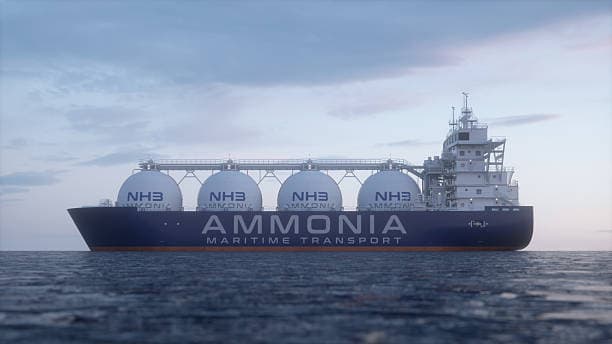
FACT India’s new 2026 ammonia tender marks a decisive move toward formula‑linked contracts, offering stability in a market plagued by volatile fertilizer prices. This long‑duration deal signals a strategic shift in fertilizer procurement, providing a predictable pricing framework for the next decade.
The acetic acid market is facing renewed pricing pressure as Chinese export volumes increase while Middle East supply gradually returns after Hormuz-related disruptions. Buyers need to assess supply trends, regional competition and procurement strategies for H2 2026.

The 2026 Hormuz crisis demonstrated that shipping chokepoints are no longer theoretical risks. For chemical buyers, understanding which products depend on vulnerable trade corridors has become essential for procurement planning and supply chain resilience.
We're committed to your privacy. Tradeasia uses the information you provide to us to contact you about our relevant content, products, and services. For more information, check out our privacy policy.