
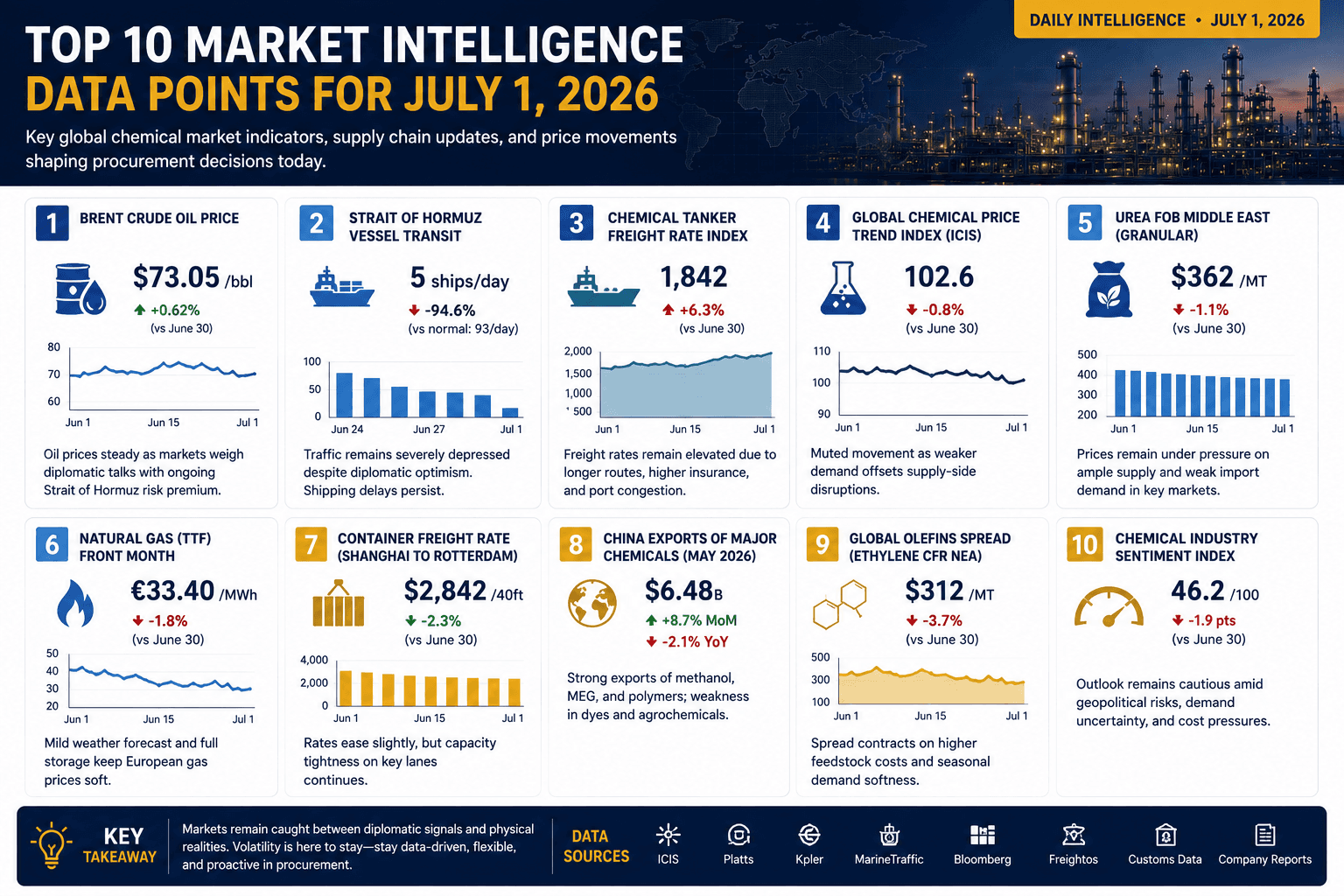

Related Insights
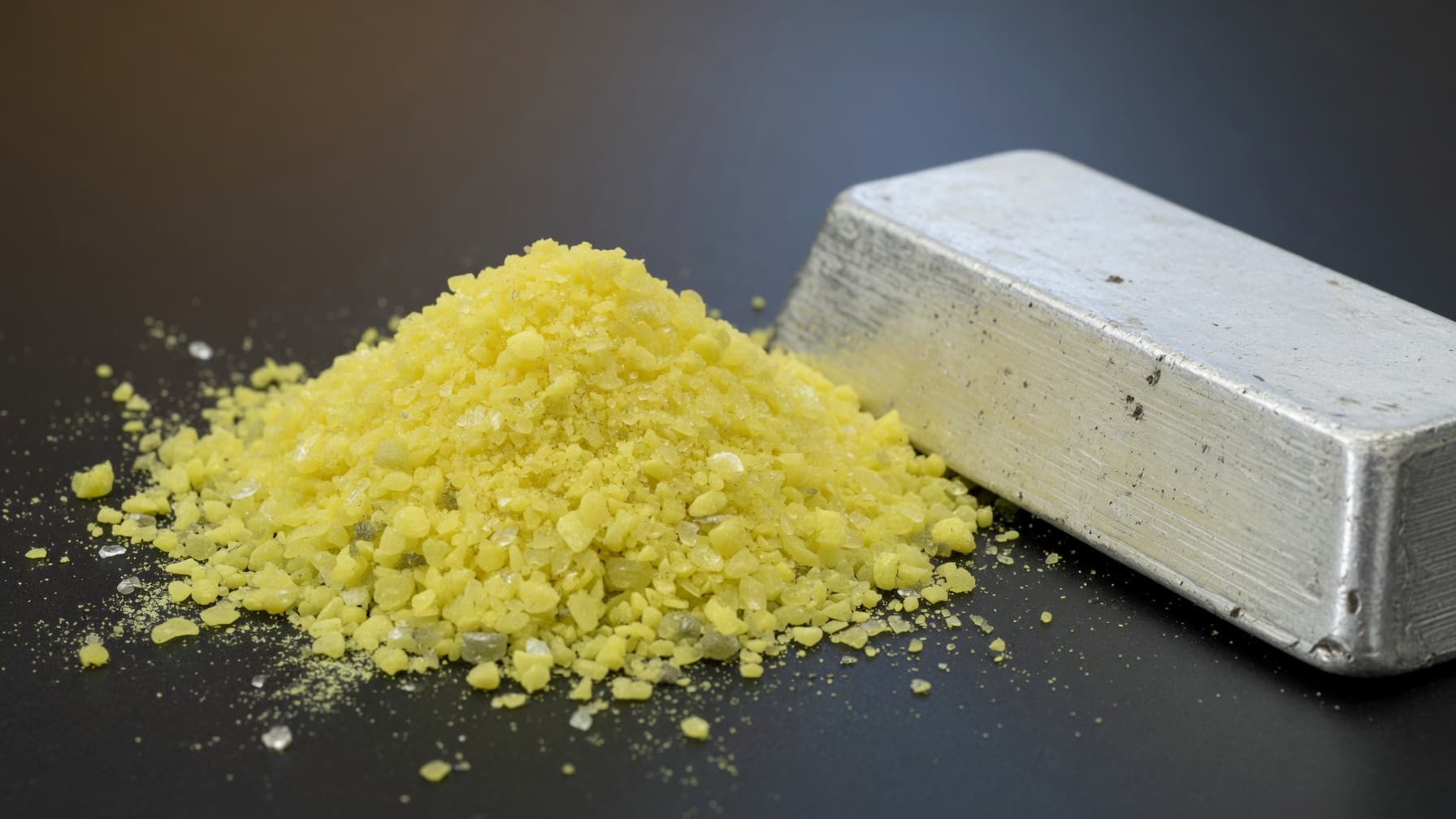
Sulfur and Aluminum Supply at Risk: What the Hormuz Crisis Means for Chemical Procurement
The Strait of Hormuz disruption extends beyond oil markets, affecting sulfur, aluminum, methanol and graphite that support global chemical manufacturing. Procurement teams should reassess sourcing strategies as industrial raw material risks continue to evolve.

Global Chemical Production: What the IMF's 2026 Regional Economic Outlook Means for Chemical Supply Chains
The IMF's April 2026 Regional Economic Outlook highlights the strategic importance of the Strait of Hormuz to global oil, helium, sulfur, ammonia and petrochemical feedstock flows. Chemical procurement teams can use this multilateral data to strengthen supply chain risk assessments and executive decision making.
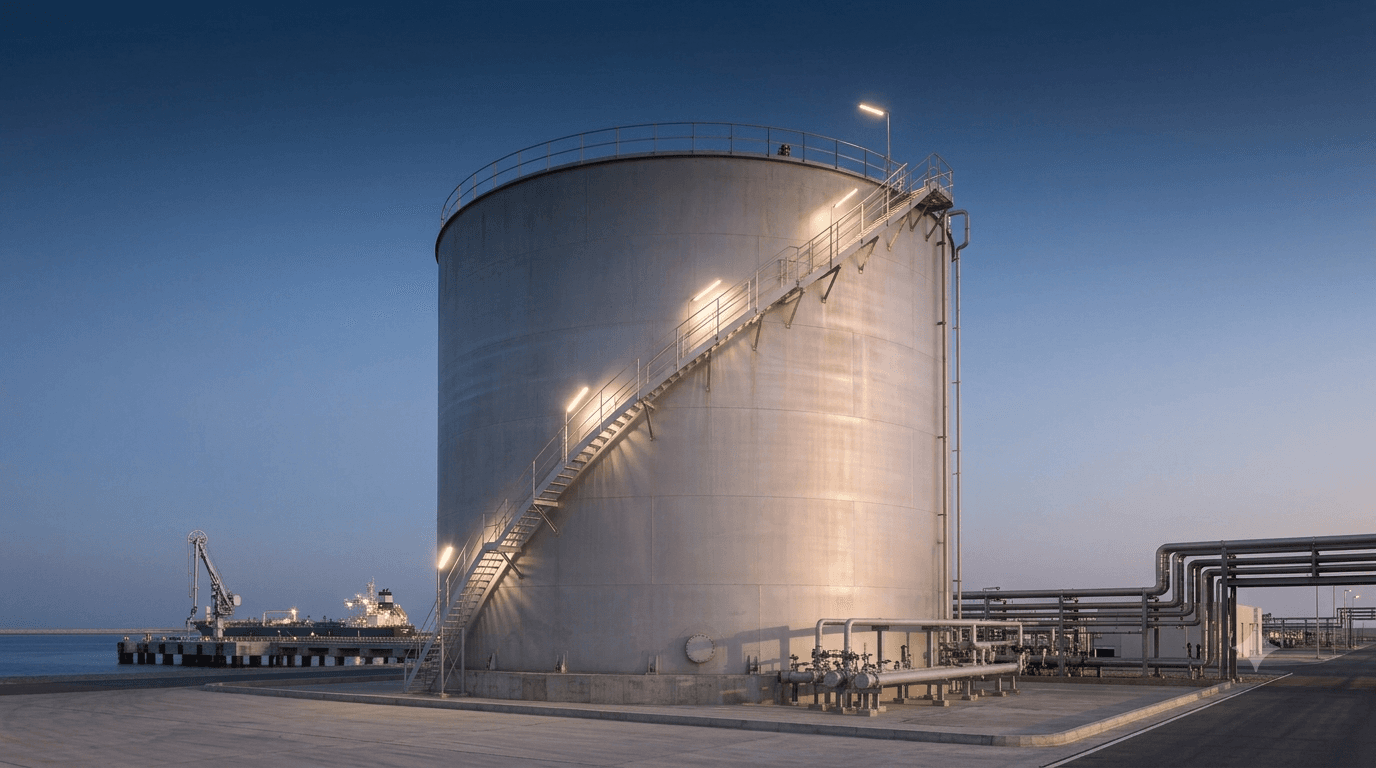
Thailand's Emergency Fuel Export Ban: A Case Study in Downstream Chemical Disruption and Supply Chain Risk
Thailand's emergency fuel export ban highlighted how government intervention can rapidly disrupt downstream chemical supply chains. Procurement teams that rely on Thai petrochemical exports can use this case to strengthen sourcing strategies and reduce exposure to sudden market shocks.
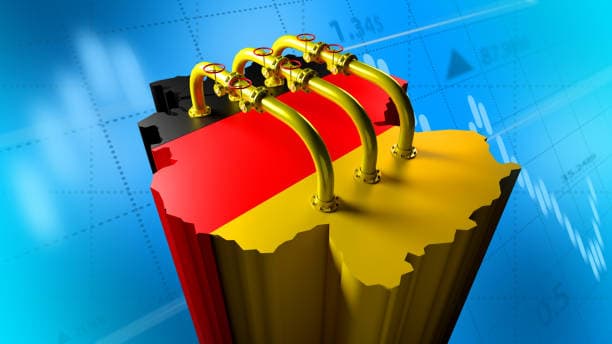
VCI Q2 2026 Review Signals Deepening German Chemical Weakness
The upcoming VCI Q2 2026 report underscores a sharp decline in German chemical production, driven by soaring feedstock costs and weak domestic demand. Naphtha‑based downstream plants are hit hardest, while export disruptions to Asia and the Gulf further strain utilization rates. For buyers, the data offers critical insight into supplier stability and pricing dynamics across Europe.

Top 5 Chemical Market Intelligence Platforms: What Procurement Professionals Are Using in 2026
The 2026 Hormuz crisis transformed chemical procurement into an intelligence-driven function. Platforms like ICIS, Kpler, Xeneta, and ChemAnalyst are now essential tools helping procurement teams track prices, shipping disruption, freight rates, and supply risk in real time.

Electronic Chemicals: Semiconductor Demand Structural — Not Hormuz Dependent
Unlike many chemical markets affected by the Hormuz disruption, electronic chemicals remain constrained due to structural semiconductor demand driven by AI and advanced chip manufacturing. Buyers should not expect supply conditions to ease alongside broader chemical markets in H2 2026.
Don't miss out on our updates! Subscribe to our newsletter now
We're committed to your privacy. Tradeasia uses the information you provide to us to contact you about our relevant content, products, and services. For more information, check out our privacy policy.