
Related Insights

Healthcare Policy and Trade Policy Collide: What Overlapping Risks Mean for Chemical Compliance
Healthcare policy changes and renewed trade disruptions are creating a complex compliance environment for pharmaceutical and chemical companies. Procurement and compliance teams should prepare for simultaneous regulatory, logistics and supply chain challenges.
Dark Tankers: The AIS Blackout Problem and Its Chemical Supply Chain Documentation Implications
The widespread use of AIS-disabled "dark tankers" during the Hormuz crisis created new compliance and documentation challenges for global chemical supply chains. As escorted convoy operations expand, improved vessel traceability is becoming an important commercial advantage for buyers operating under strict regulatory and quality requirements.
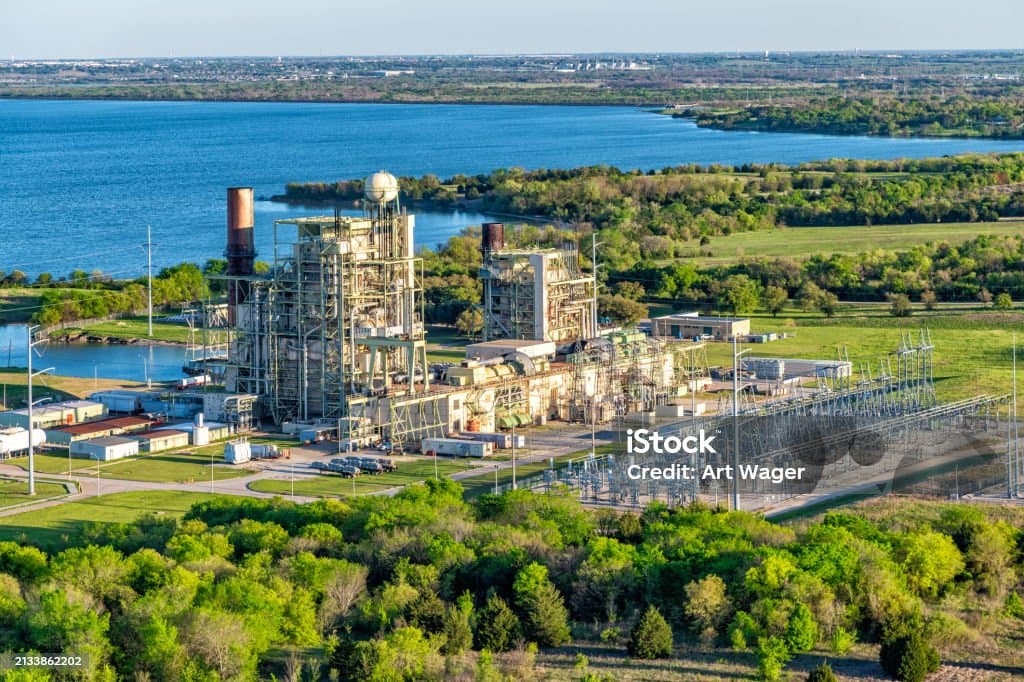
Navigating the 40% Urea Import Dependency & Post-Crisis Policy Shifts
The Congressional Research Service report shows that 40% of U.S. agricultural urea arrives by water, exposing a strategic vulnerability. Legislative responses are reshaping maritime corridors and regional infrastructure. These changes aim to strengthen supply chain resilience for domestic markets.
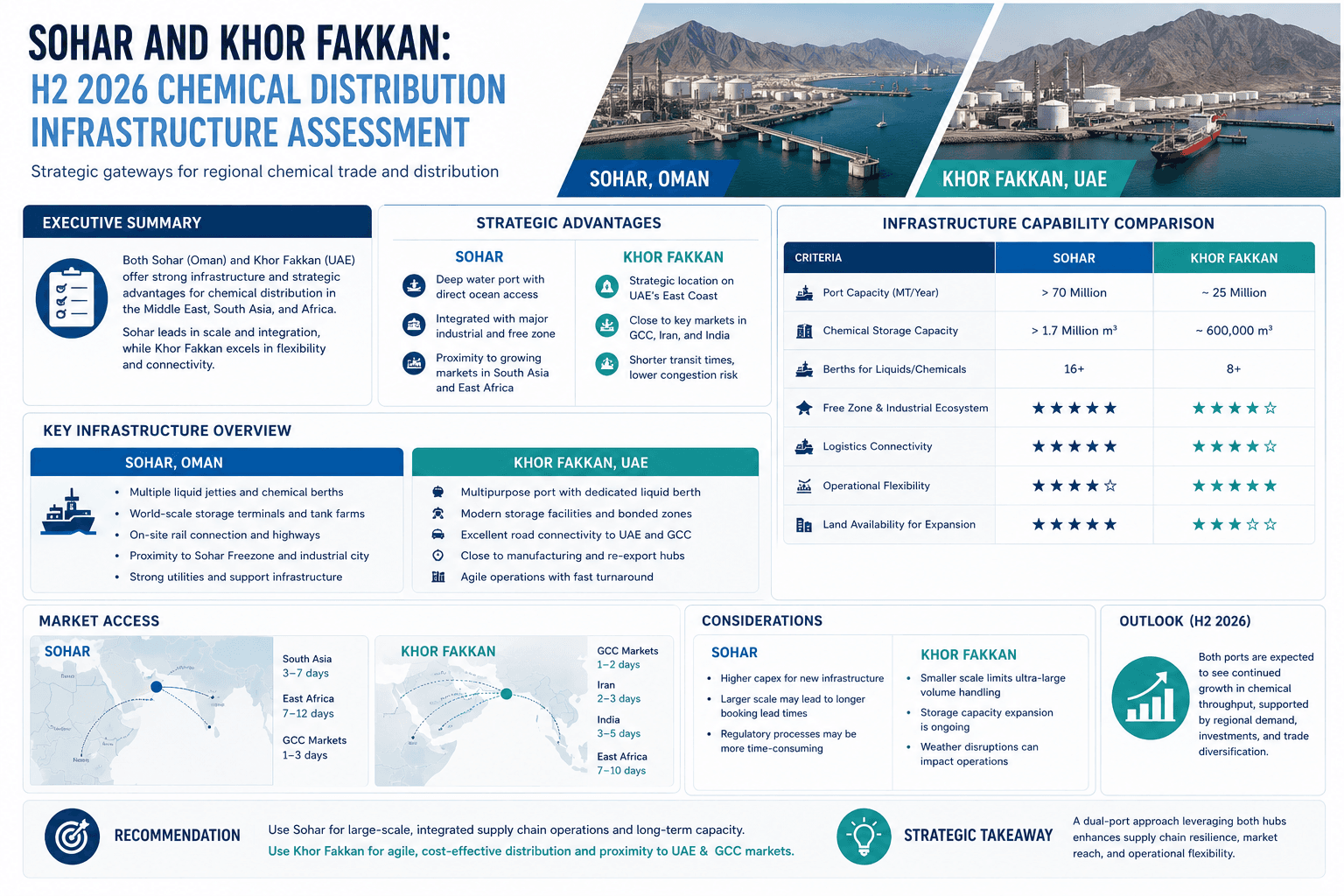
Sohar and Khor Fakkan: H2 2026 Chemical Distribution Infrastructure Assessment
Sohar and Khor Fakkan have emerged as permanent Gulf chemical distribution hubs after the Hormuz crisis disrupted traditional routes. Chemical buyers should now verify exactly where supplier cargo loads, as port selection directly affects insurance costs, lead times, and shipment risk.

Top 5 Countries Whose Chemical Supply Chains Were Most Disrupted by the Hormuz Crisis
The 2024 Hormuz crisis rattled global chemical markets, forcing buyers to rethink sourcing. Japan, India, South Korea, the GCC, and Germany were hardest hit, with soaring costs, shortages, and a shift toward diversified procurement. Read how each region adapted its strategy.
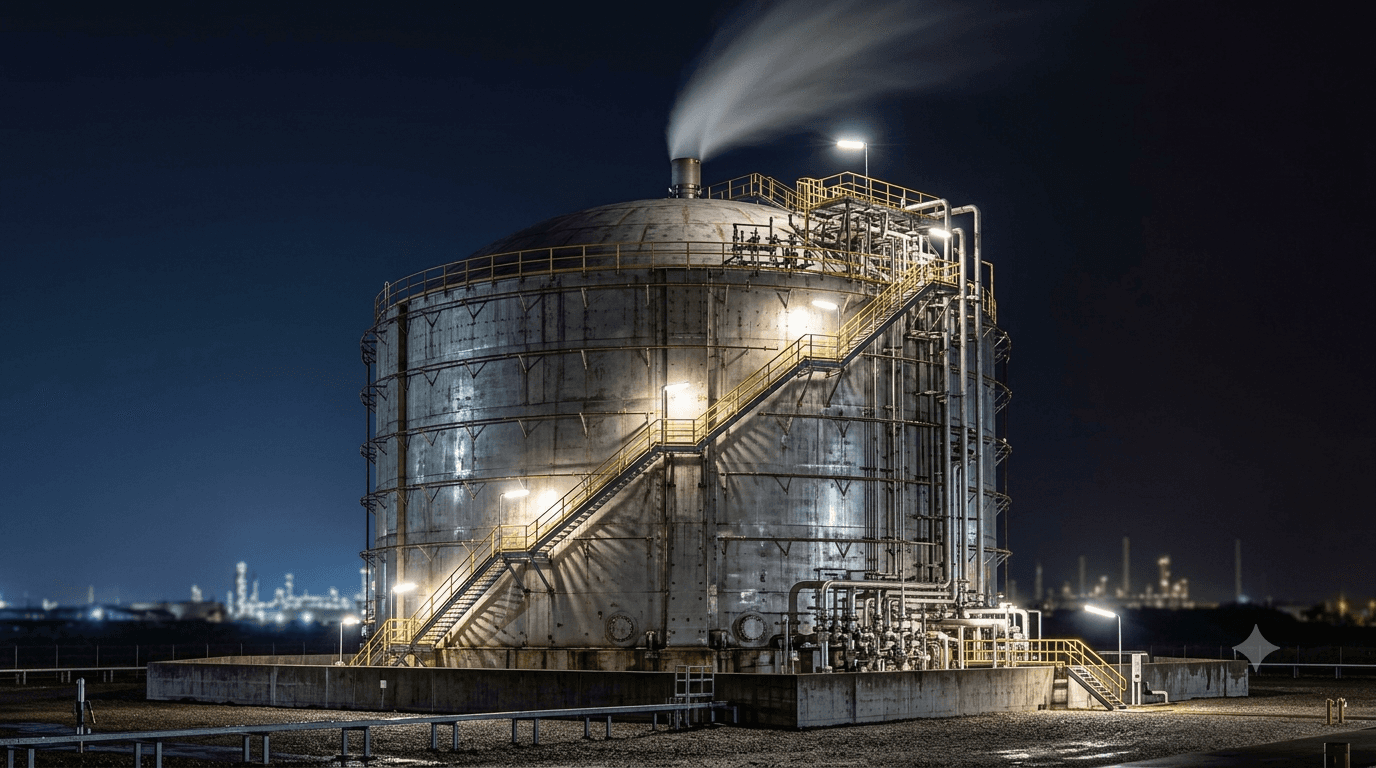
INPEX and the Ichthys LNG Dispute: A Wake‑Up Call for Global Energy Supply Chains
The INPEX‑Ichthys LNG industrial dispute has exposed hidden fragilities within the LNG supply chain, putting buyers and chemical producers on notice. This article explores the dispute’s implications for energy security, feedstock availability and procurement strategy, offering practical lessons for the Asia Pacific market.
Don't miss out on our updates! Subscribe to our newsletter now
We're committed to your privacy. Tradeasia uses the information you provide to us to contact you about our relevant content, products, and services. For more information, check out our privacy policy.