

Related Insights
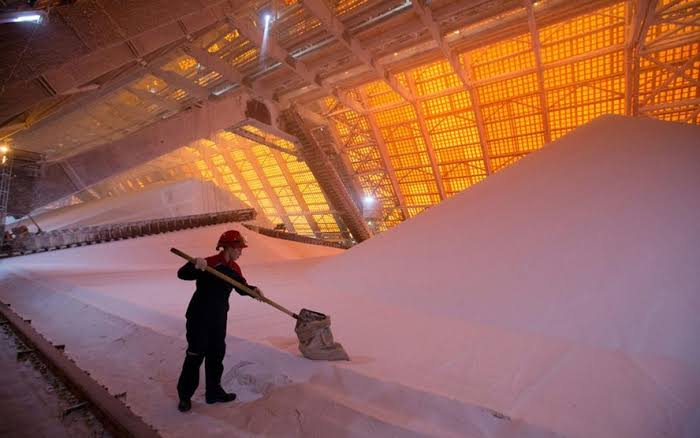
EU Tariffs on Russian Fertilizer Redirect Global Supply Toward Brazil, India and the US
EU tariffs on Russian fertilizer, effective July 1, are redirecting supplies toward Brazil, India, and potentially the US. Explore the global supply chain implications.

Navigating the 40% Urea Import Dependency & Post-Crisis Policy Shifts
The Congressional Research Service report shows that 40% of U.S. agricultural urea arrives by water, exposing a strategic vulnerability. Legislative responses are reshaping maritime corridors and regional infrastructure. These changes aim to strengthen supply chain resilience for domestic markets.
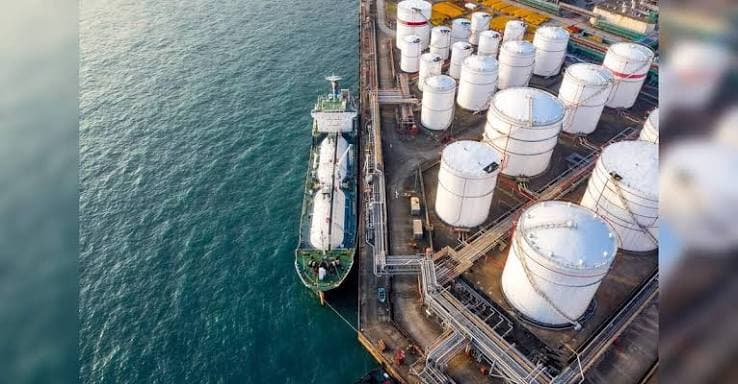
Japan Country Watch: The 46% Naphtha Import Collapse and the Structural Diversification Outcome
Japan's chemical industry enters H2 2026 after overcoming its most severe naphtha supply disruption in decades. The country's rapid diversification of feedstock sourcing may prove to be the most important long-term outcome of the Hormuz crisis, reshaping procurement strategies well beyond the recovery period.

South Korea Chemical Watch: H1 2026 Closing Review of the Force Majeure Wave
South Korea's petrochemical industry closes H1 2026 after experiencing the most extensive force majeure declarations of any major chemical-producing nation during the Hormuz disruption. As feedstock supplies recover, buyers and suppliers are shifting their focus toward contract resumption and Q3 delivery planning.
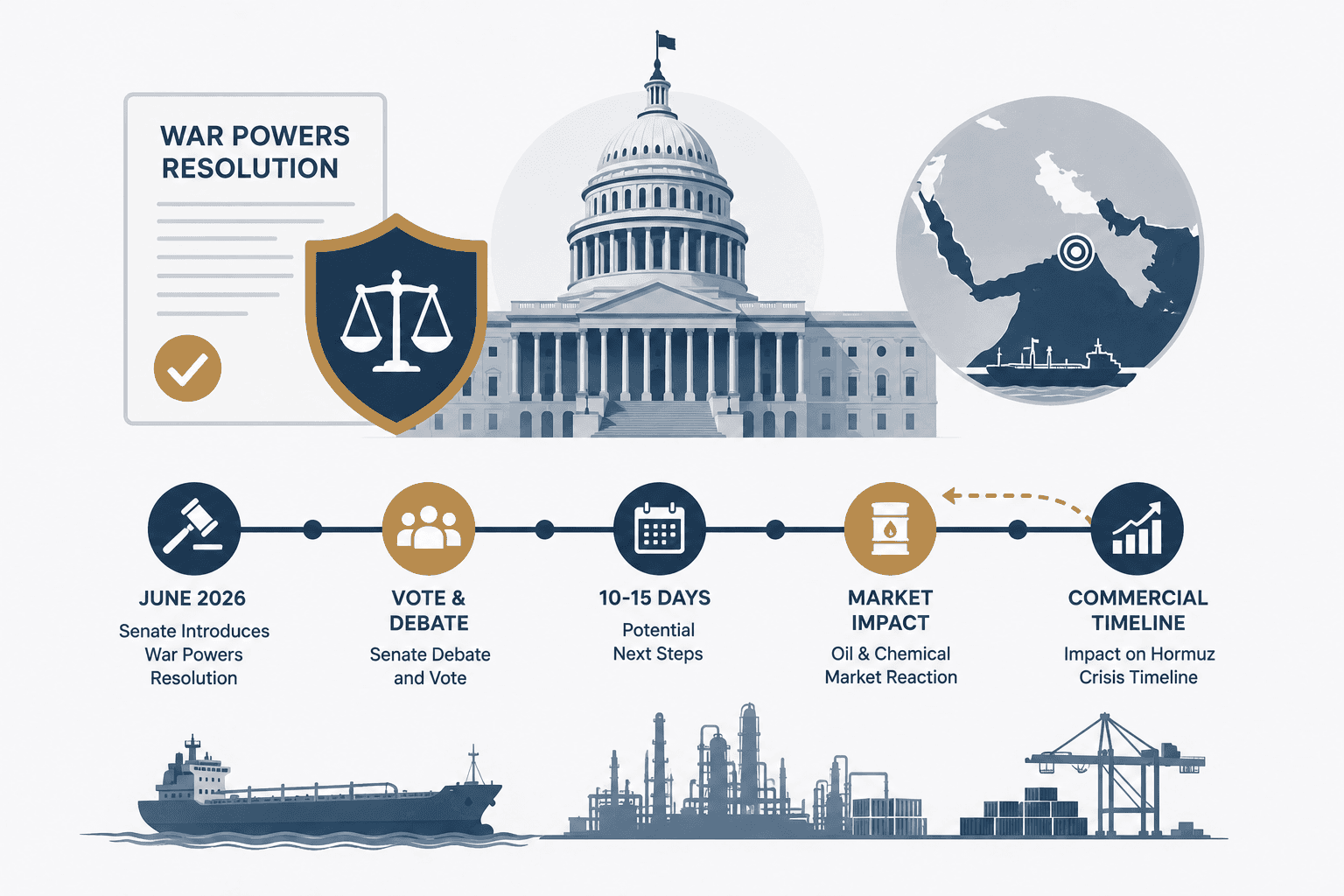
US Senate War Powers Resolution: What It Means for the Hormuz Crisis Commercial Timeline
The US Senate’s war powers resolution against Trump’s Iran conflict strategy may accelerate diplomatic pressure around the Hormuz crisis. For chemical markets, faster political de-escalation could mean quicker supply chain recovery and a more positive H2 2026 outlook.

Top 5 Countries Whose Chemical Supply Chains Were Most Disrupted by the Hormuz Crisis
The 2024 Hormuz crisis rattled global chemical markets, forcing buyers to rethink sourcing. Japan, India, South Korea, the GCC, and Germany were hardest hit, with soaring costs, shortages, and a shift toward diversified procurement. Read how each region adapted its strategy.
Don't miss out on our updates! Subscribe to our newsletter now
We're committed to your privacy. Tradeasia uses the information you provide to us to contact you about our relevant content, products, and services. For more information, check out our privacy policy.