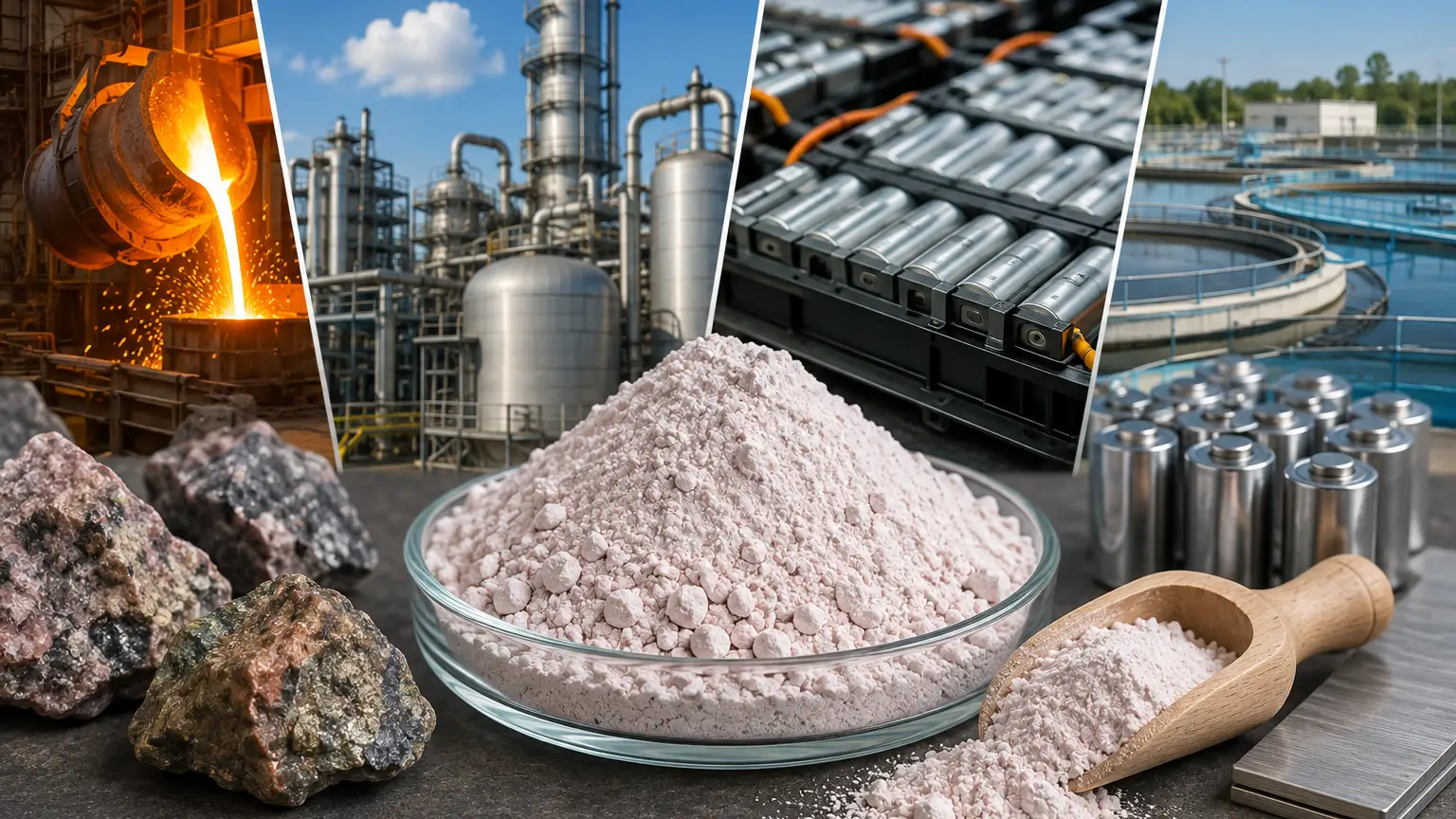

Introduction Gum Turpentine Oil
The global market for Gum Turpentine Oil and related pine derivatives is undergoing a structural shift as downstream industries demand more bio-based, high-performance raw materials. From paints and coatings to fragrances, adhesives, and specialty chemicals, turpentine-based ingredients are increasingly positioned as sustainable alternatives to purely petrochemical products. By 2026, industry analysts expect pine chemicals to play a more strategic role in supply chains that prioritize renewable feedstocks, carbon footprint reduction, and regulatory compliance.
Gum Turpentine Oil is a cornerstone of the pine chemicals value chain. It is obtained from the distillation of oleoresin tapped from living pine trees, especially in regions such as China, Brazil, Indonesia, Vietnam, and India. This natural solvent and chemical intermediate is rich in monoterpenes like alpha-pinene and beta-pinene, which can be further processed into a wide range of high-value derivatives. For global buyers, understanding the evolving applications and market dynamics of Gum Turpentine Oil is critical for procurement planning and product development through 2026.
This article provides an in-depth look at the properties, industrial applications, and buyer landscape for Gum Turpentine Oil and pine derivatives, with a focus on market trends through 2026. It also examines how specialized distributors such as chemtradeasia support global sourcing, quality assurance, and supply stability in a market that is influenced by forestry practices, environmental regulation, and cyclical demand from end-use sectors.
Overview of Gum Turpentine Oil and Pine Derivatives
Gum Turpentine Oil is a volatile, colorless to pale yellow liquid obtained by steam distillation of crude gum (oleoresin) collected from pine trees. Chemically, it consists predominantly of monoterpenes, with typical compositions showing 60–75% alpha-pinene, 15–25% beta-pinene, and minor amounts of limonene and other terpenes, depending on species and origin. Its key characteristics include a strong pine-like odor, good solvency for resins and oils, and high flammability, making it suitable for applications where rapid evaporation and strong solvency are required.
Pine derivatives derived from Gum Turpentine Oil form a broad family of specialty chemicals. Through fractionation, isomerization, oxidation, and other chemical transformations, producers obtain downstream products such as terpene resins, terpineols, camphor, borneol, synthetic menthol intermediates, and fragrance-grade terpenes. These derivatives are used in segments as diverse as flavors and fragrances, personal care, pharmaceuticals, rubber, adhesives, inks, and agrochemicals. The value addition from basic Gum Turpentine Oil to high-purity derivatives is a major driver of profitability in the pine chemicals industry.
Globally, pine chemicals are often categorized into three main streams: gum-based (from tapped oleoresin), sulfate-based (from kraft pulping, known as crude tall oil and sulfate turpentine), and wood-based (from pine stumps and logging residues). Gum Turpentine Oil sits in the gum-based stream, which is closely linked to forest management, labor availability for tapping, and climatic conditions. Major producing regions such as China and Brazil have built integrated industries where Gum Turpentine Oil is upgraded into both commodity and specialty derivatives, supplying buyers in Europe, North America, and the rest of Asia.
Industrial Applications and Technical Features
The industrial applications of Gum Turpentine Oil are anchored in its solvency, volatility, and reactivity. In paints and coatings, it has historically been used as a solvent and thinner for oil-based paints, varnishes, and enamels. While waterborne systems and low-VOC solvents have gained share, Gum Turpentine Oil and turpentine-based solvents still play a role in specialty coatings, artist paints, marine coatings, and maintenance products where strong solvency for natural resins and drying oils is required. Its relatively slow evaporation compared with some petrochemical solvents can provide better flow and leveling in certain formulations.
In the adhesives and rubber industries, Gum Turpentine Oil is both a solvent and a precursor for terpene resins. These resins, derived from alpha-pinene, beta-pinene, and other monoterpenes, are used as tackifiers in hot-melt adhesives, pressure-sensitive adhesives, and rubber compounding. Terpene phenolic resins, for example, offer strong adhesion to polar substrates and good compatibility with various elastomers. As demand for packaging, labels, and hygiene products grows, the need for bio-based tackifiers derived from Gum Turpentine Oil is expected to rise through 2026.
Another key application cluster is fragrances, flavors, and personal care. Gum Turpentine Oil is a feedstock for terpineol, pine oil, and other aroma chemicals used in household cleaners, air fresheners, soaps, and perfumes. Its derivatives provide fresh, woody, and citrus notes that are difficult to replicate cost-effectively from non-terpene sources. In pharmaceuticals and fine chemicals, turpentine-derived intermediates are used in synthesizing compounds such as camphor and certain vitamins. The reactivity of monoterpenes enables a wide range of chemical transformations, making Gum Turpentine Oil a versatile building block for specialty applications.
Global Market Outlook and Buyer Landscape to 2026
The global pine chemicals market, which includes Gum Turpentine Oil and its derivatives, has been valued in the multibillion-dollar range, with various research reports indicating steady compound annual growth rates (CAGR) typically between 4% and 6% toward the mid-2020s. Growth is driven by expanding demand in adhesives, rubber, coatings, flavors and fragrances, and personal care, combined with a structural shift toward bio-based and renewable raw materials. By 2026, demand for Gum Turpentine Oil is expected to be increasingly tied to sustainability narratives and ESG (environmental, social, and governance) priorities in downstream industries.
Regional dynamics are important for buyers to understand. Asia-Pacific, led by China, India, and Southeast Asia, remains the largest production and consumption region for Gum Turpentine Oil and pine derivatives. China has historically been the dominant producer, but environmental regulations, labor costs, and forest management policies have prompted some capacity rationalization and investment in higher-value derivatives. Brazil and other Latin American producers are emerging as important suppliers, especially for global buyers seeking diversification of supply. Europe and North America are significant importers of turpentine derivatives, with stringent quality standards and regulatory requirements.
The buyer landscape is diverse, ranging from large multinational chemical companies and fragrance houses to mid-sized adhesive formulators, ink manufacturers, and regional distributors. Strategic buyers are increasingly focused on long-term contracts, traceability of forest resources, and certification schemes such as FSC (Forest Stewardship Council) and PEFC (Programme for the Endorsement of Forest Certification). Price volatility, driven by seasonal tapping, resin availability, and competition from petrochemical substitutes, remains a key concern. As 2026 approaches, procurement teams are expected to prioritize multi-region sourcing strategies, robust supplier qualification, and collaboration with specialized distributors like chemtradeasia to manage risk and ensure continuity of supply.
Sourcing, Quality, and the Role of chemtradeasia
For industrial buyers, sourcing Gum Turpentine Oil is not only about price; it is also about consistent quality, regulatory compliance, and reliable logistics. Key quality parameters typically include purity (often expressed as minimum percentage of monoterpenes), specific gravity, refractive index, color (e.g., APHA scale), and limits on impurities such as sulfur compounds or high-boiling residues. Buyers in coatings, adhesives, and fragrances may require narrow specifications tailored to their formulations, while others may accept broader industrial grades. Accurate documentation, including Certificates of Analysis (COA) and Safety Data Sheets (SDS), is essential for downstream processing and regulatory audits.
Supply chain considerations are equally important. Gum Turpentine Oil is classified as a flammable liquid, demanding appropriate packaging (such as drums, IBCs, or bulk tank containers), storage, and transport under regulations like ADR, IMDG, and IATA. Lead times can be influenced by tapping seasons in producing countries, port congestion, and freight rate volatility. Buyers often seek suppliers that can offer inventory positioning closer to consumption centers, flexible shipment sizes, and multimodal logistics solutions to reduce risk and working capital requirements.
Specialized distributors such as chemtradeasia play a central role in bridging producers and global buyers of Gum Turpentine Oil and pine derivatives. By maintaining a network of vetted manufacturers across Asia and other regions, chemtradeasia can aggregate supply, standardize quality documentation, and provide competitive options across different grades and origins. For buyers, this translates into simplified supplier management, access to multiple sources through a single commercial interface, and support with regulatory and documentation requirements. In the run-up to 2026, as sustainability, traceability, and supply security become more critical, the value of such integrated distribution partners is likely to increase.
Conclusion
Gum Turpentine Oil and its downstream pine derivatives occupy a unique position at the intersection of renewable resources and high-performance industrial chemistry. Their applications span coatings, adhesives, rubber, fragrances, personal care, and specialty chemicals, underpinned by the versatile chemistry of monoterpenes. As global markets move toward lower carbon footprints and greater use of bio-based inputs, Gum Turpentine Oil is expected to retain and expand its relevance in many formulations, especially where its solvency, reactivity, and sensory properties offer clear advantages over purely petrochemical alternatives.
By 2026, the global buyer landscape for Gum Turpentine Oil will likely be defined by more sophisticated sourcing strategies, stronger emphasis on certification and traceability, and closer collaboration between producers, distributors, and end users. Regional production shifts, regulatory changes, and competition from synthetic and alternative bio-based materials will shape pricing and availability. In this context, partnering with experienced suppliers and distributors such as chemtradeasia can help buyers secure consistent quality, mitigate supply risks, and identify new application opportunities in emerging markets and high-value segments.
This article is intended solely for informational and market insight purposes and does not constitute technical, safety, regulatory, or professional advice. Readers should independently verify all information with qualified experts, consult official documentation such as MSDS/SDS and relevant regulations, and contact appropriate technical or commercial teams for guidance on specific applications or compliance requirements.