Introduction Borax Pentahydrate
Across Asia’s rapidly evolving manufacturing landscape, borax pentahydrate has become a critical functional additive for multiple downstream industries, with the leather sector standing out as one of its important application areas. As Asian economies continue to expand their export-oriented production of footwear, garments, automotive interiors, and luxury leather goods, demand for reliable, consistent-quality leather processing chemicals is rising. In this context, boron-based compounds such as borax pentahydrate provide process stability, pH control, buffering capacity, and auxiliary performance benefits that help tanneries meet increasingly stringent quality and environmental standards.
Asia today accounts for a major share of global leather production, with countries like China, India, Pakistan, Vietnam, Bangladesh, and Indonesia acting as key manufacturing hubs. According to various industry estimates, Asia contributes well over half of the world’s finished leather output, driven by competitive labor, integrated supply chains, and growing domestic consumption. Within this ecosystem, the role of specialty chemicals, including borax pentahydrate, has shifted from purely cost-driven commodities to strategic enablers of product differentiation, compliance, and operational efficiency.
For application buyers, procurement managers, and technical teams in the leather value chain, understanding how borax pentahydrate functions, where it is used, and how to source it reliably has become essential. This article explores the properties and applications of borax pentahydrate in leather processing, examines market trends across Asia, and highlights how platforms such as chemtradeasia support buyers in aligning technical requirements with dependable supply options.
Overview of Borax Pentahydrate and Its Properties
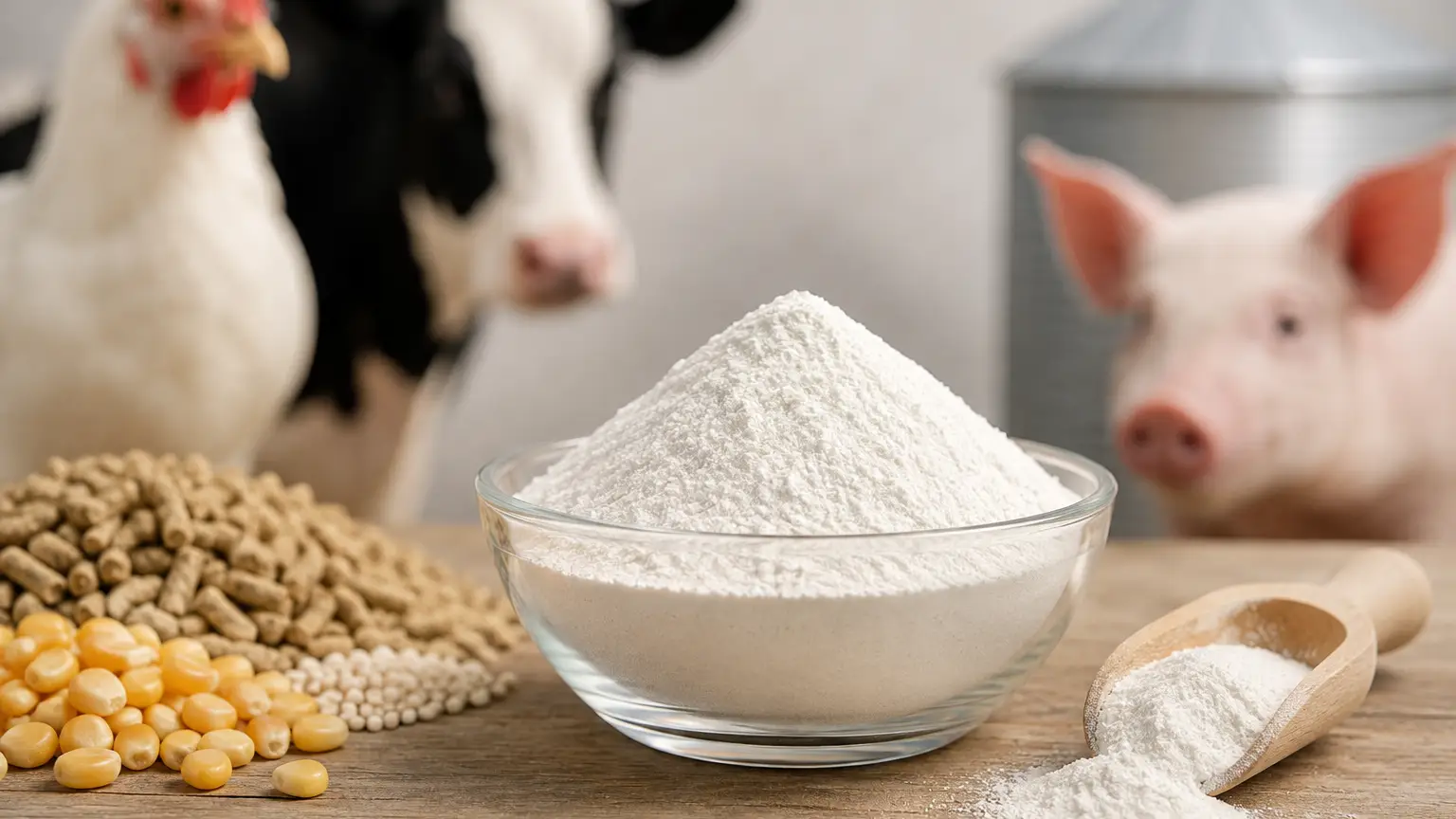
Borax pentahydrate (chemical formula Na2B4O7·5H2O) is a hydrated sodium borate salt widely used as a buffering agent, mild alkali, and multifunctional additive. It typically appears as white crystalline granules or powder, moderately soluble in water, with alkaline properties that make it suitable for numerous industrial processes. Compared with borax decahydrate, the pentahydrate grade contains less water of crystallization, offering higher active boron content per unit weight and improved handling characteristics in certain applications.
From a specification standpoint, industrial-grade borax pentahydrate used in leather and related sectors often targets a B2O3 content in the range of 48–52%, with low levels of impurities such as chlorides, sulfates, and heavy metals. Particle size distribution can be tailored depending on application needs, coarser grades for bulk dissolution and finer grades for more rapid dissolution or formulation into specialty products. Stable storage, controlled moisture content, and consistent bulk density are important quality parameters for application buyers seeking predictable performance in their process lines.
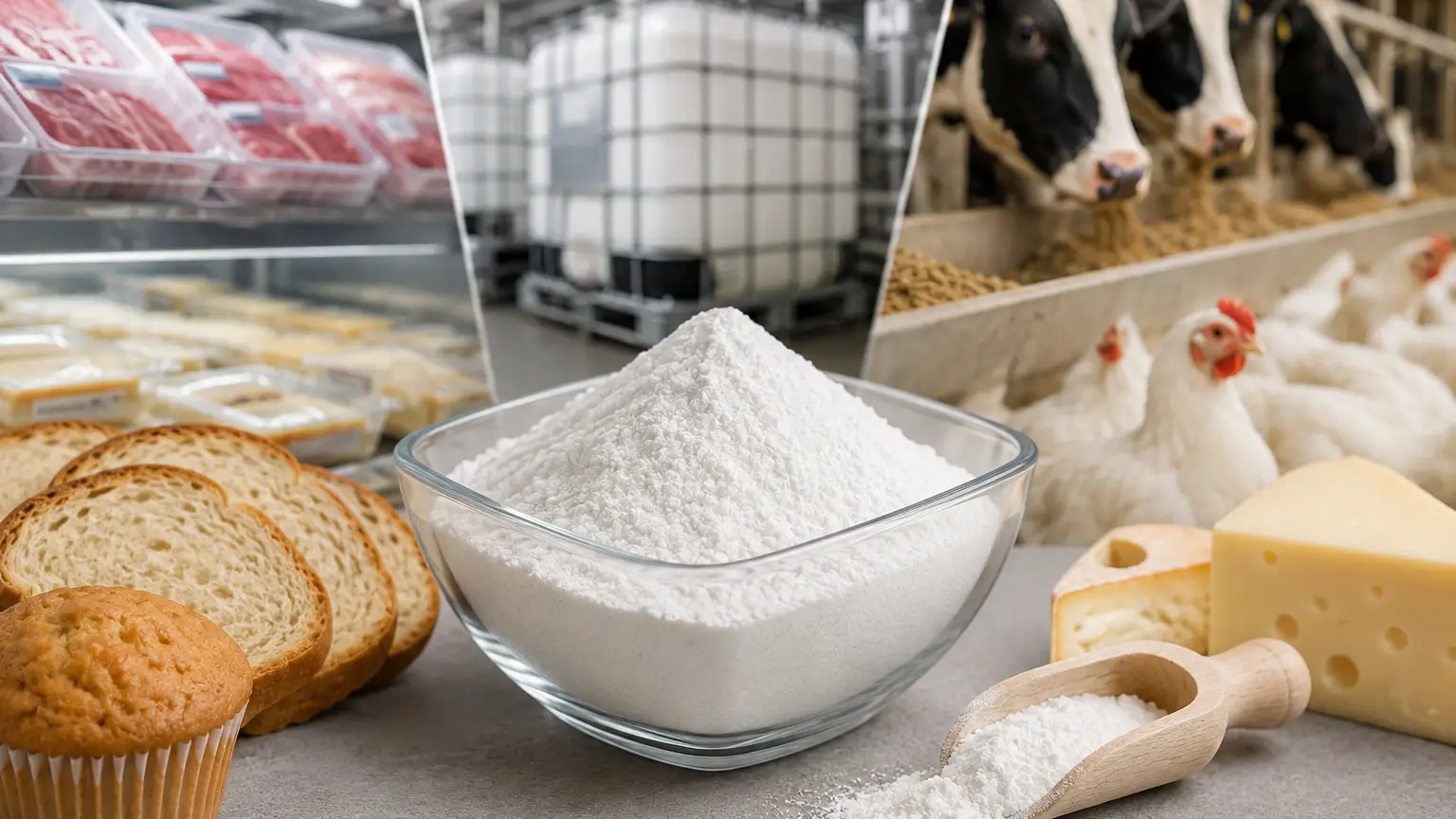
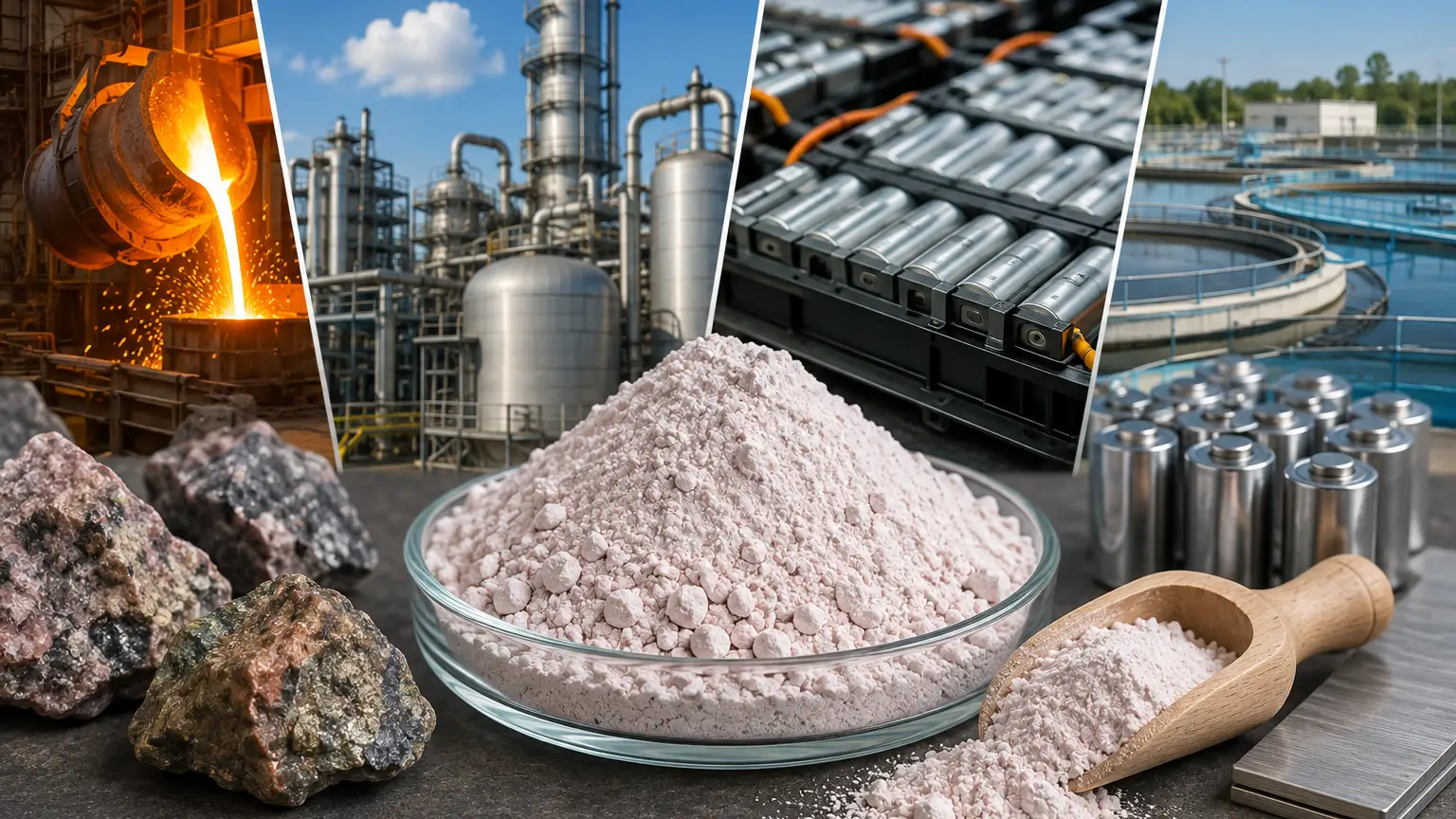
Functionally, borax pentahydrate’s key value lies in its ability to act as a pH buffer, complexing agent, and stabilizer. In aqueous systems, it can help maintain moderately alkaline conditions, which is crucial in many leather processing stages. Its boron content also enables interactions with hydroxyl-containing polymers and proteins, contributing to effects such as dispersion, mild antiseptic action, and stabilization of formulations. These characteristics explain why borax pentahydrate is used not only in leather, but also in detergents, ceramics, glass, metallurgy, and flame retardant formulations across Asia’s industrial sectors.
Applications of Borax Pentahydrate in the Leather Industry
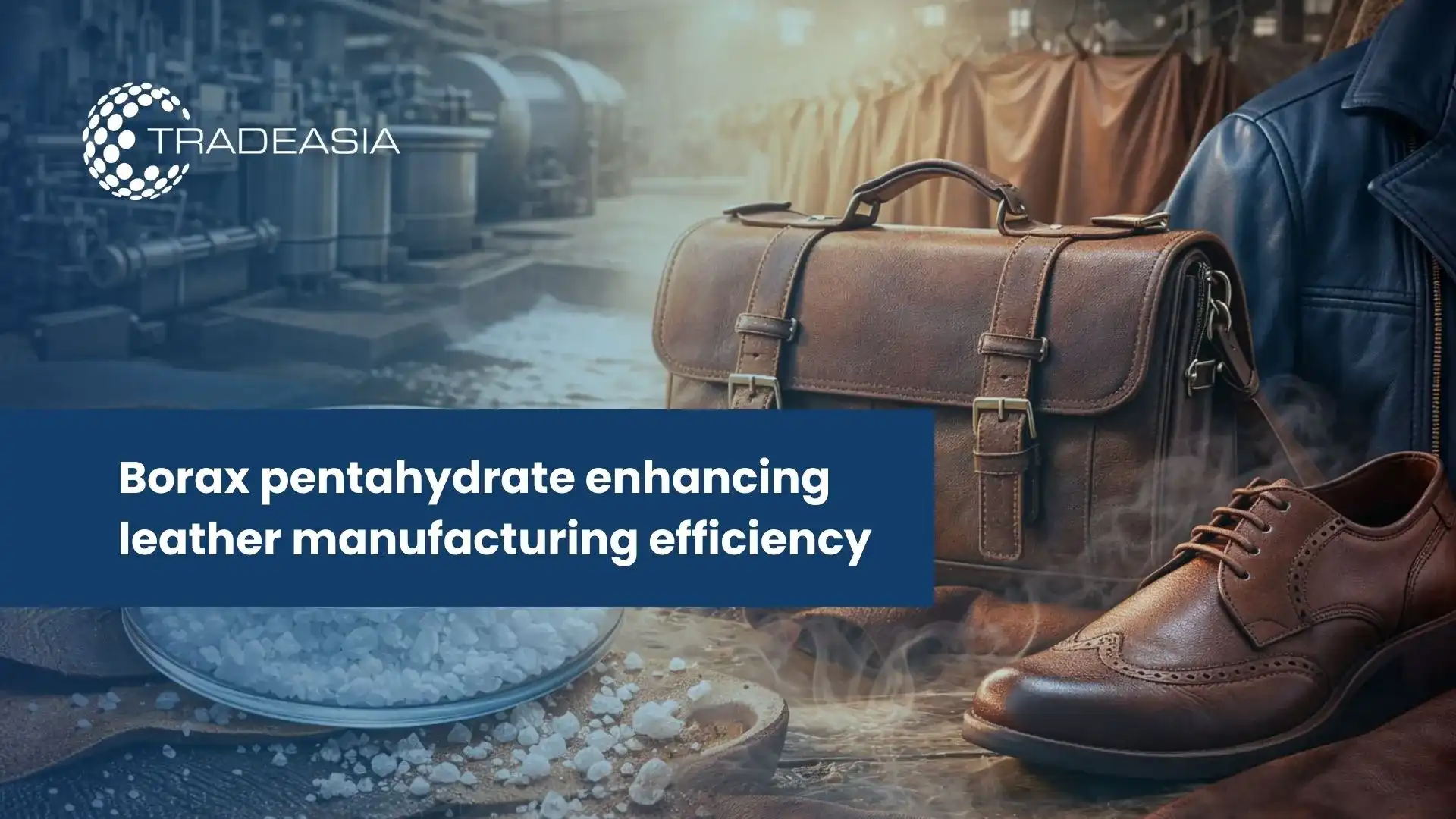
In the leather industry, borax pentahydrate is primarily valued for its buffering and stabilizing functions across several process steps. During soaking and liming, maintaining controlled alkalinity is essential for effective removal of natural fats, dirt, and interfibrillary substances from raw hides and skins. Borax pentahydrate can be used in combination with other alkalis to help regulate pH, reduce excessive swelling, and promote a more uniform penetration of process chemicals. This contributes to cleaner pelts and improved downstream processing efficiency.
In deliming and bating stages, where hides are gradually brought down from high liming alkalinity to a more moderate pH suitable for enzymatic action, borax pentahydrate may be incorporated into auxiliary formulations to stabilize pH transitions. Its buffering capacity can help prevent sudden shifts that might damage collagen fibers or reduce enzyme efficiency. Some specialty leather auxiliaries use borax pentahydrate as a component in multi-functional products designed to optimize grain tightness, fullness, and softness while preserving the physical strength of the leather.
Further along the process, in retanning, dyeing, and finishing, stable pH conditions and controlled interaction between tanning agents, dyes, and fatliquors are crucial. Borax pentahydrate can be used in certain formulations to enhance dispersion of pigments, stabilize emulsions, or act as a mild preservative in water-based systems. In finishing, it may contribute indirectly to improved color fastness and more consistent surface appearance by helping maintain the stability of finishing mixes. While usage levels are typically modest and application-specific, the presence of high-quality borax pentahydrate can make a noticeable difference in process reliability and finished leather quality.
Market Trends and Demand Drivers in Asia
Asia’s demand for borax pentahydrate is influenced by several converging trends: growth in downstream manufacturing, environmental regulation, and shifts in global trade patterns. The region continues to dominate global leather production, with countries such as China, India, Vietnam, and Bangladesh serving major international brands in footwear, apparel, and automotive upholstery. As these industries expand, the need for consistent, compliant processing chemicals grows in parallel. Even modest growth in leather output translates into significant incremental demand for auxiliaries like borax pentahydrate, especially as tanneries upgrade from informal practices to more standardized, chemistry-driven processes.
Regulatory pressure is another powerful driver. Governments and industry bodies across Asia are tightening effluent discharge norms, restricting certain hazardous substances, and encouraging the adoption of cleaner production technologies. In this environment, well-characterized chemicals with predictable behavior, such as borax pentahydrate, become more attractive. Tanneries are increasingly looking to replace unregulated or variable-quality inputs with traceable, specification-controlled products that help them maintain process control, reduce rework, and meet buyer audits. This favors structured supply chains and professional distributors over fragmented, opportunistic sourcing.
Additionally, global supply chain realignments, partly driven by trade policies, logistics disruptions, and risk diversification, are prompting brands to spread their sourcing across multiple Asian countries. As production footprints become more geographically diverse, multi-country chemical supply capabilities grow in importance. Application buyers seek partners who can ensure reliable delivery of borax pentahydrate and other critical inputs across regions, from South Asia and Southeast Asia to East Asia, with harmonized quality and documentation. This environment reinforces the role of integrated distribution platforms such as chemtradeasia in connecting producers and end users efficiently.
Sourcing, Quality, and the Role of chemtradeasia
For application buyers in Asia’s leather industry, sourcing borax pentahydrate is no longer a purely transactional decision; it is a strategic choice affecting process stability, product quality, and regulatory compliance. Key sourcing criteria include consistent chemical composition, verified B2O3 content, low impurity levels, and reliable packaging that minimizes caking or moisture uptake. Documentation such as Certificates of Analysis (CoA), Material Safety Data Sheets (MSDS/SDS), and origin certificates is increasingly requested by tanneries and their international customers to support audits and traceability requirements.
chemtradeasia, as a specialized chemical trading and distribution platform, plays a central role in bridging the gap between borax producers and leather industry users across Asia. By aggregating supply from vetted manufacturers and offering transparent product specifications, chemtradeasia helps buyers compare grades, evaluate technical fit, and align procurement with their specific process needs. The platform’s regional presence and logistics capabilities support delivery into key leather clusters, such as those in India, Pakistan, Bangladesh, Indonesia, and Vietnam, where reliable supply timing and appropriate packaging formats (bags, big bags, or bulk) are critical to smooth operations.
Beyond basic sourcing, professional distributors add value through technical and market insights. Buyers can leverage chemtradeasia’s understanding of regional demand patterns, price trends, and regulatory developments to make more informed purchasing decisions. For example, as environmental standards evolve, buyers may need to adjust their chemical portfolios or seek alternative formulations. Working with a partner that tracks these shifts and maintains a broad portfolio of leather chemicals, alongside borax pentahydrate, enables tanneries to optimize formulations, reduce supply risk, and maintain competitiveness in both domestic and export markets.
Conclusion
As Asia consolidates its position as the world’s leading hub for leather production and leather-based consumer goods, the importance of robust, well-managed chemical inputs continues to grow. Borax pentahydrate has established itself as a versatile auxiliary that supports pH control, buffering, and formulation stability in several critical leather processing stages. When specified and used correctly, it can contribute to more consistent processing, better utilization of enzymes and tanning agents, and improved overall leather quality, factors that directly influence yield, customer satisfaction, and brand reputation.
At the same time, evolving environmental regulations, stricter buyer audits, and rising expectations around traceability are reshaping how tanneries in Asia approach their chemical supply chains. Instead of relying on ad hoc sourcing, many are shifting toward structured partnerships with specialized distributors and platforms such as chemtradeasia, which can provide verified quality, documentation, and multi-country logistics support. For application buyers, this approach offers not only supply security but also access to market intelligence and technical perspectives that help align procurement choices with long-term strategic goals. For detailed specifications, pricing, and reliable supply options of borax pentahydrate, please contact Chemtradeasia to discuss your application and procurement requirements.
This article is intended solely to provide general information and market insight on borax pentahydrate and related applications; it does not constitute technical, safety, regulatory, or professional advice. Users should independently verify all data and suitability for their specific processes by consulting qualified experts, reviewing official documentation such as MSDS/SDS and product technical data sheets, and, where appropriate, contacting our team or other professional advisers before making operational or purchasing decisions.