Introduction Boric Acid
The period from 2026 to 2035 is expected to be a defining decade for the boric acid and broader boron value chain in Asia. As the region accelerates industrialization, urbanization, and the transition to cleaner technologies, demand for high-performance materials and specialty chemicals is rising sharply. Boric acid, a key boron compound, is central to this shift due to its unique combination of flame-retardant, glass-strengthening, antiseptic, buffering, and neutron-absorbing properties.
Asian economies, led by China, India, Southeast Asia, Japan, and South Korea, are increasingly important both as consumers and processors of boric acid. From fiberglass and ceramics to agriculture, electronics, and nuclear power, the material has become strategically important. Against this backdrop, understanding who the major boric acid buyers are, which applications will dominate, and how procurement will evolve is essential for producers, distributors, and end-users alike.
This article provides a structured, forward-looking view of boric acid applications and buyers in Asia for 2026–2035, supported by current market data and observable trends. It also highlights how integrated distribution platforms such as chemtradeasia can support secure, compliant, and cost-effective sourcing of boric acid and related boron derivatives across the region.
Global and Asian Boric Acid Market Outlook 2026-2035
Global boron demand (including boric acid and refined borates) has been growing at an estimated compound annual growth rate (CAGR) of around 4–5% in the early 2020s, driven by glass, ceramics, agriculture, and advanced materials. Asia already accounts for a substantial share of consumption, with China alone estimated to represent more than one-third of global borate use. By 2030, various industry analyses suggest that Asia could account for over 50% of total boron demand, with boric acid playing a central role as a primary or intermediate product.
Several structural forces underpin this growth. Construction and infrastructure spending in India, Indonesia, Vietnam, and other emerging markets is boosting demand for borosilicate glass, fiberglass insulation, and ceramic tiles, all intensive users of boric acid. At the same time, the region’s expanding middle class is driving demand for consumer electronics, detergents, personal care, and packaged food, many of which rely on boron-based formulations for performance and stability. Environmental and safety regulations are also promoting the switch from more hazardous substances to boron-based alternatives in certain applications, such as flame retardants and wood preservatives.
Looking ahead to 2026–2035, several market scenarios anticipate steady to robust growth in boric acid consumption in Asia, though with regional variations. Mature markets like Japan and South Korea are expected to show stable but slower growth, driven by high-value applications such as electronic glass, specialty ceramics, and nuclear energy. In contrast, South and Southeast Asia may see higher growth rates, potentially above 5–6% annually, as industrial bases expand and local manufacturing deepens. This divergence will shape the mix of buyers and the specifications of boric acid required across the region.
Core Applications of Boric Acid and Boron in Asia
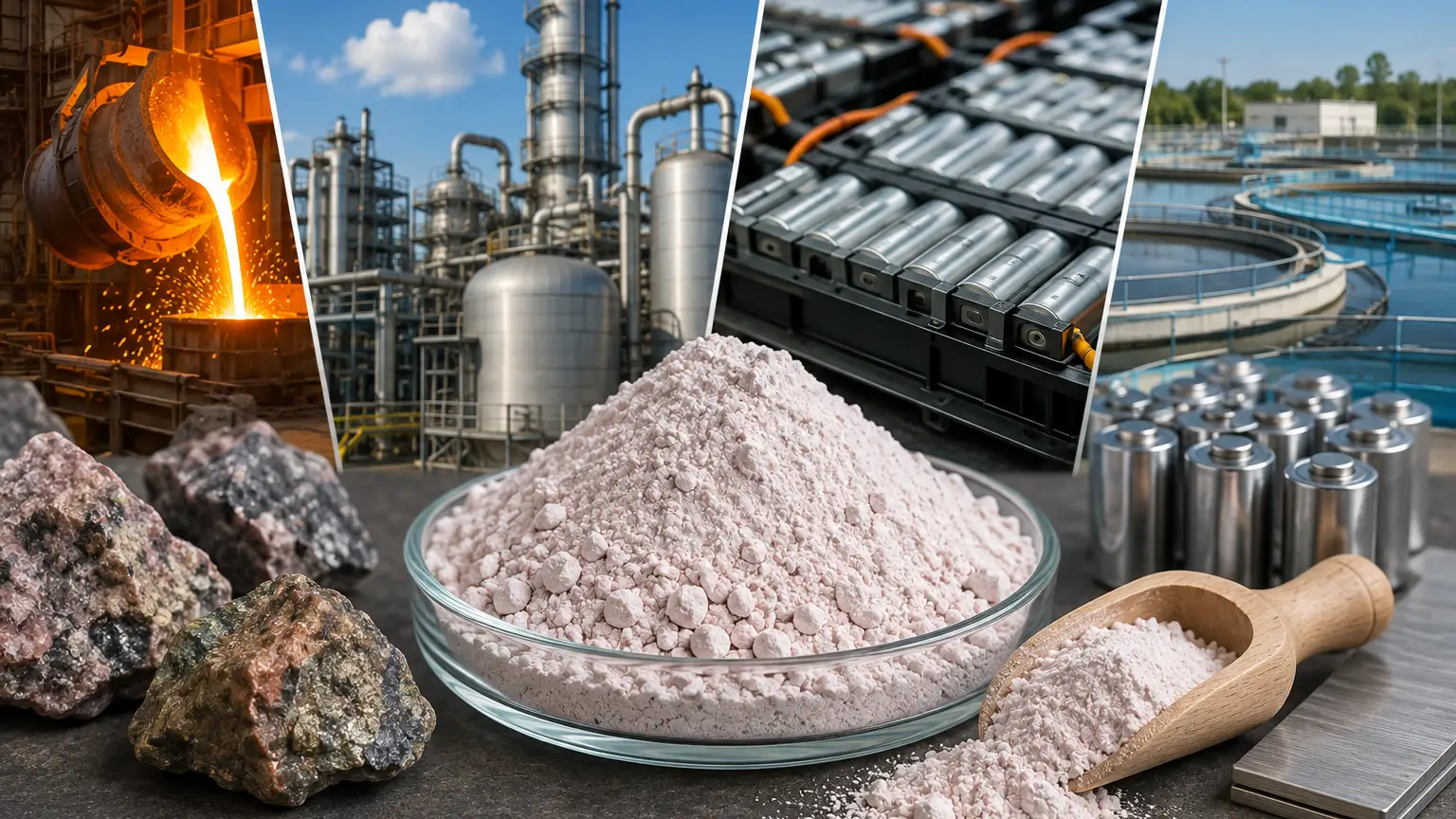
Boric acid’s versatility stems from its chemical behavior as a weak Lewis acid and its ability to form borates and borosilicate structures. In Asia, the largest application segment remains glass and fiberglass. Boric acid is a critical feedstock for borosilicate glass used in laboratory ware, pharmaceutical containers, cookware, and high-temperature lighting, as well as for fiberglass used in insulation and composite materials. The addition of boron improves thermal shock resistance, chemical durability, and mechanical strength, making boric acid indispensable for these industries.
Ceramics and enamels are another major application cluster. Tile manufacturers in China, India, and Southeast Asia use boric acid and borax to lower melting temperatures, improve glaze adhesion, and enhance surface smoothness and gloss. In sanitaryware and technical ceramics, boron compounds help tune thermal expansion and mechanical properties. As urban housing and infrastructure projects proliferate across Asia, demand for ceramic tiles and sanitaryware is expected to remain strong, translating into sustained boric acid consumption.
Beyond glass and ceramics, boric acid plays a key role in agriculture, detergents, wood preservation, metallurgy, and advanced energy applications. In fertilizers, boron is an essential micronutrient that supports plant growth, flowering, and seed development. Boric acid and borate-based fertilizers are increasingly used in regions with boron-deficient soils, such as parts of India and China. In detergents and cleaners, boric acid contributes to buffering capacity, stain removal, and enzyme stabilization. It is also used in flame-retardant formulations, particularly in cellulosic materials and insulation, and as a neutron absorber in nuclear power plants, where countries like China, India, and South Korea are expanding capacity.
Buyer Profiles and Procurement Patterns Across Asian Industries
The landscape of boric acid buyers in Asia is diverse, ranging from multinational glass producers to small and medium-sized chemical formulators. Large-volume buyers typically include manufacturers of borosilicate glass, fiberglass, ceramic tiles, and detergents. These companies often procure boric acid in bulk (bags, big bags, or bulk containers) and require consistent quality, tight specification control, and reliable logistics. They may operate multiple plants across different countries, creating a need for regional supply coordination and standardized specifications.
Mid-sized and specialty buyers include agricultural input companies, wood treatment plants, pharmaceutical formulators, and niche ceramic producers. Their procurement volumes may be smaller, but they often require higher-purity grades or specific particle size distributions. For example, pharmaceutical and cosmetic manufacturers may demand refined boric acid with strict impurity limits, while nuclear power operators and advanced material producers may specify very tight quality parameters and documentation. These buyers value suppliers and distributors who can provide not only product but also regulatory support, traceability, and documentation such as certificates of analysis and compliance with regional standards.
Procurement patterns are evolving as digitalization and supply chain risk management gain importance. Buyers increasingly seek multi-sourcing strategies to mitigate geopolitical, logistics, and price risks associated with concentrated mining regions. They also look for partners that can offer flexible contract structures, inventory management, and local warehousing. Platforms like chemtradeasia are becoming more relevant because they aggregate supply from multiple producers, offer standardized commercial terms, and provide online visibility into prices, availability, and documentation, which is especially valuable for buyers operating across multiple Asian markets.
Sourcing, Specifications, and the Role of chemtradeasia
For industrial users in Asia, secure and compliant sourcing of boric acid requires careful attention to product specifications, logistics, and regulatory frameworks. Typical commercial boric acid is supplied as a white crystalline powder or granules, often as orthoboric acid (H3BO3) with boron content around 17.0–17.5% and purity levels commonly above 99.5% for industrial grades. Key specification parameters include moisture content, particle size distribution, heavy metal impurities, and insoluble matter. Different applications may demand distinct grades, for instance, glass and ceramics may accept standard industrial grades, while pharmaceutical and cosmetic uses often require higher-purity, well-documented grades with tighter impurity controls.
In Asia, logistics considerations are significant due to the geographic distance from major boron mining regions such as Turkey, the United States, and South America. Importers and distributors must manage long lead times, port handling, and inland transportation to industrial clusters. This makes regional stock points and efficient distribution networks critical. Compliance with local regulations, such as REACH-like frameworks, national chemical inventories, and specific labeling or packaging requirements, is also essential to avoid delays and penalties. Buyers therefore tend to favor suppliers and distributors that combine product availability with regulatory and documentation expertise.
chemtradeasia plays a strategic role in this ecosystem by acting as a multi-country, multi-product distribution platform for boric acid and related boron derivatives. By leveraging a network of producers and logistics partners, chemtradeasia can offer Asian buyers multiple sourcing options, competitive pricing, and consistent supply. The platform typically supports a range of packaging (25 kg bags, jumbo bags, and bulk options), provides standard technical data sheets and safety data sheets (MSDS/SDS), and assists with documentation required for customs and regulatory clearance. For buyers seeking to optimize procurement, chemtradeasia’s ability to consolidate shipments, manage inventory in regional warehouses, and provide digital order tracking can significantly reduce operational complexity and risk.
Conclusion
Between 2026 and 2035, Asia’s role in the global boric acid and boron market will continue to expand, driven by robust growth in glass, ceramics, agriculture, detergents, and advanced technologies such as nuclear power and energy-efficient materials. Boric acid’s unique performance profile makes it an essential input for these industries, and its importance is likely to increase as regulatory and environmental pressures push manufacturers toward more efficient and safer chemistries. Understanding how demand is distributed across applications and buyer segments is therefore critical for both producers and end-users planning long-term investments and supply strategies.
The buyer landscape in Asia is becoming more sophisticated, with larger players focusing on supply security, sustainability, and specification consistency, while smaller and niche buyers emphasize flexibility, technical support, and regulatory compliance. Integrated distributors and platforms such as chemtradeasia are positioned to bridge the gap between global producers and diverse regional buyers, offering not only product but also logistical, commercial, and informational support. As the market matures, those who can align sourcing strategies with evolving application needs, regulatory frameworks, and technological trends will be best placed to capture the opportunities presented by the growing boric acid market in Asia. Secure your Boric Acid supply with confidence, contact the Chemtradeasia team today to discuss your requirements.
This article is intended solely for informational and market insight purposes and does not constitute technical, safety, engineering, regulatory, or other professional advice. Users should independently verify all information with qualified experts, consult official documentation such as MSDS/SDS and relevant standards, and contact appropriate professionals or our team before making decisions on specific formulations, processes, or applications involving boric acid or related boron products.