Introduction: Understanding the Origin of Gelatin
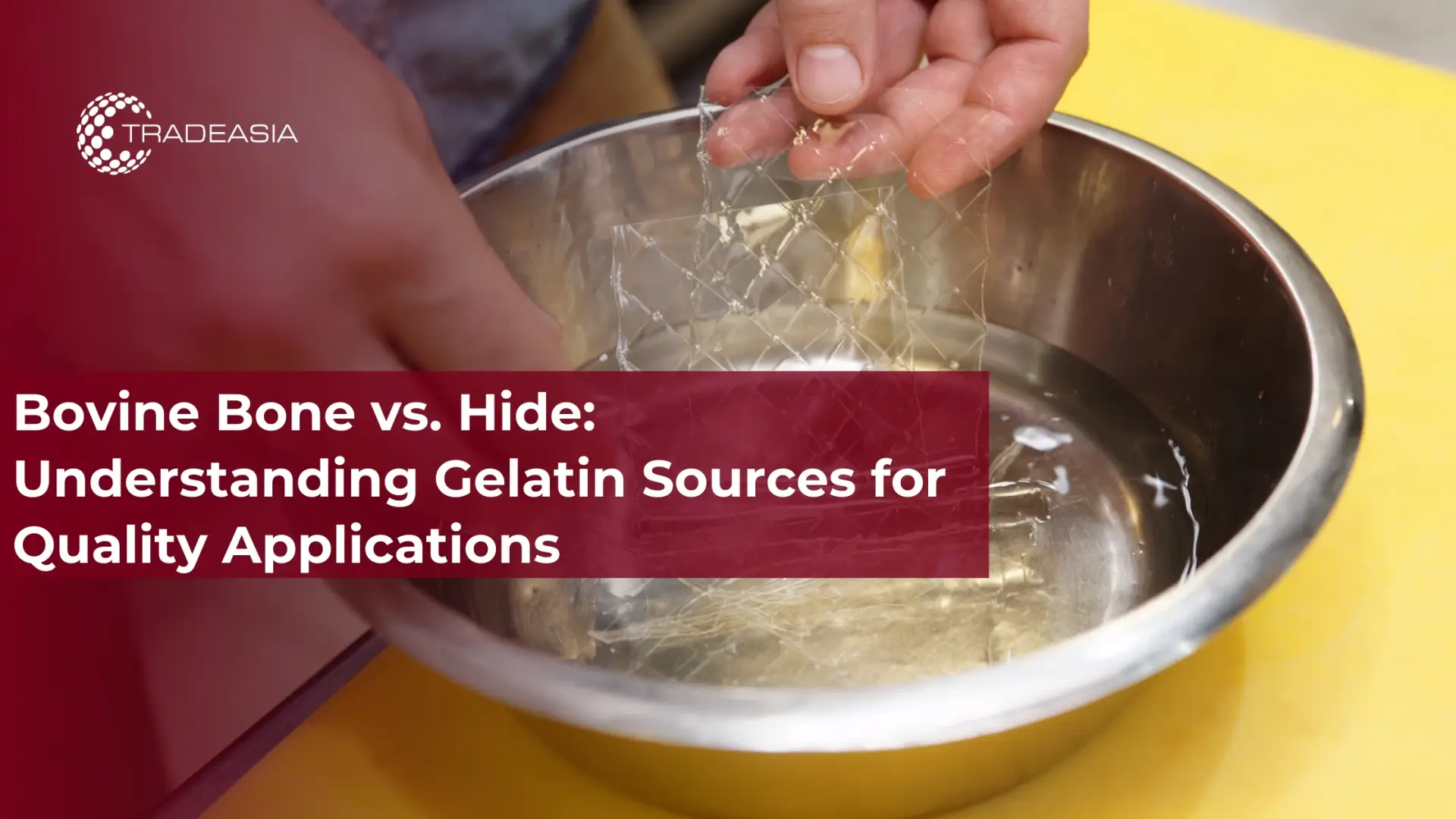
Gelatin is a widely used hydrocolloid across the food, pharmaceutical, and nutraceutical industries due to its unique functional properties. It acts as a gelling agent, stabilizer, and texturizer in a wide range of products including confectionery, dairy desserts, capsules, and nutraceutical gummies. Unlike plant-based hydrocolloids, gelatin is derived from collagen, a structural protein found in animal connective tissues. Through controlled hydrolysis, collagen is converted into gelatin, producing a versatile ingredient that provides elasticity, gel formation, and water-binding capabilities.
In many procurement processes, gelatin is often categorized primarily by its Bloom strength, which measures gel firmness. While Bloom value is an important quality indicator, relying solely on this specification may overlook other functional differences that influence how gelatin behaves in processing and final product applications. One of the most important factors affecting gelatin performance is the raw material source used during production.
Bovine gelatin is typically produced from two main collagen sources: bovine bone and bovine hide. Although both materials originate from the same animal species, the structural composition of bone collagen and hide collagen differs significantly. These differences require distinct processing methods and can influence the final gelatin’s viscosity, clarity, color, and application suitability.
For manufacturers, formulation scientists, and procurement managers, understanding the differences between bone-derived and hide-derived gelatin is essential when selecting raw materials for specific production requirements. Each source offers functional advantages depending on the intended application, processing conditions, and product characteristics. As a result, choosing the appropriate gelatin type is an important part of maintaining product consistency and quality.
The Biochemical Difference Between Bone and Hide Processing
The production of gelatin begins with the extraction of collagen from animal tissues. However, collagen is naturally insoluble due to its highly stable triple-helix structure and strong intermolecular cross-links. To convert collagen into gelatin, manufacturers must first apply chemical treatments that break down these cross-links while preserving the primary protein chains needed for gel formation.
The processing pathway differs significantly depending on whether the raw material is bovine hide or bovine bone.
Bovine hide gelatin production primarily utilizes the inner layer of cattle skin known as the corium. This material contains dense networks of collagen fibers but does not include mineral structures. As a result, the collagen can be accessed more directly through alkaline processing. The hide material is typically subjected to a long alkaline treatment using calcium hydroxide in a process commonly known as liming.
During the liming stage, the hide is soaked in alkaline solutions for several weeks. This process removes non-collagen proteins, reduces fat residues, and gradually weakens the cross-links within the collagen structure. Once the liming stage is completed, the material is washed, neutralized, and prepared for extraction using hot water. The resulting gelatin is classified as Type B gelatin, which typically has an isoelectric point around pH 4.8 to 5.2.
The processing of bovine bone gelatin requires an additional step due to the presence of minerals in bone tissue. Bones contain significant amounts of calcium phosphate, which surrounds and protects the collagen matrix. This mineral layer must be removed before collagen extraction can occur.
To address this, bones are first cleaned, crushed into smaller pieces, and degreased. The material then undergoes a demineralization process using diluted hydrochloric acid. This treatment dissolves the calcium phosphate and converts the bone structure into a soft collagen matrix known as ossein. After demineralization, the ossein can undergo alkaline treatment similar to the hide liming process before extraction begins.
Because bone gelatin production involves both acid demineralization and alkaline treatment, the process is typically longer and more chemically intensive than hide processing. These differences in treatment influence the molecular structure of the final gelatin and contribute to variations in viscosity and clarity.
Bovine Bone Gelatin: Performance in High-Viscosity Applications
Gelatin produced from bovine bone is commonly selected for applications where viscosity and structural strength are important functional properties. One of the distinguishing characteristics of bone-derived gelatin is its relatively high viscosity when dissolved in solution.
This property is related to the preservation of longer protein chains during the extraction process. The controlled treatment of ossein can allow larger molecular weight fragments of gelatin to remain intact. When dissolved in hot water, these longer chains create greater internal resistance to flow, resulting in higher viscosity compared to some hide-derived gelatins with similar Bloom strength.
In industrial applications, viscosity plays an important role during processing. For example, in pharmaceutical capsule manufacturing, liquid gelatin is used to form capsule shells by dipping metal pins into heated gelatin solutions. The viscosity of the solution affects the thickness and uniformity of the coating that forms on the pins. If the viscosity is too low, the gelatin may not adhere evenly, leading to inconsistent capsule walls.
Similarly, in confectionery applications such as marshmallows and aerated desserts, gelatin contributes to the stabilization of air bubbles within the product structure. A gelatin with sufficient viscosity helps maintain the foam structure during mixing, cooling, and drying processes.
Because of these characteristics, bone gelatin is frequently used in pharmaceutical capsules, certain confectionery products, and other applications where gel strength and viscosity must support mechanical stability during manufacturing.
Bovine Hide Gelatin: Optical Clarity and Visual Quality
While bone gelatin is valued for viscosity, hide-derived gelatin is often preferred in applications where optical clarity and appearance are critical. Many food and nutraceutical products rely on gelatin not only for texture but also for visual presentation.
Bovine hide gelatin generally produces solutions with lower turbidity and lighter color compared with some bone-derived gelatins. This difference can be attributed to variations in raw material composition and processing conditions. Because hide collagen does not require acid demineralization, the processing pathway may introduce fewer color-forming reactions during pre-treatment.
In quality control laboratories, gelatin clarity is commonly evaluated using spectrophotometric measurements that assess light transmission through a standard gelatin solution. Higher transmission values indicate better clarity and lower levels of suspended particles or coloration.
High-clarity gelatin is particularly important in products such as clear confectionery gels, nutraceutical gummies, and softgel capsules. In these applications, visual transparency helps maintain the intended color and appearance of the final product. For example, brightly colored gummy supplements often rely on clear gelatin bases so that natural fruit pigments remain vibrant and consistent.
Hide-derived gelatin is therefore commonly selected for applications where visual aesthetics, color stability, and product transparency are important product attributes.
Supply Chain Considerations in Gelatin Production
The availability and pricing of gelatin are closely linked to the global livestock and agricultural industries because gelatin is derived from animal processing byproducts. Understanding these supply chain dynamics can help procurement teams anticipate fluctuations in raw material availability.
Bovine bone gelatin production is closely associated with the meat processing industry. Bones used in gelatin production are obtained from cattle slaughter operations. Therefore, gelatin supply is influenced by overall beef production volumes and the operational capacity of meat processing facilities.
In regions with large beef industries, such as North America, South America, and parts of Europe, the supply of bone-based raw materials is generally more stable. However, transportation of fresh bone materials can be challenging due to perishability and weight, which means production is often concentrated near slaughter facilities.
Hide gelatin supply is connected to the leather industry. After hides are processed for leather manufacturing, the remaining inner layers, known as splits, can be used as raw material for gelatin production. As a result, hide availability may fluctuate depending on demand in leather-related industries such as automotive upholstery, footwear, and fashion products.
Changes in consumer demand for leather products can indirectly influence gelatin raw material availability. When leather demand decreases, fewer hides may be processed, which can reduce the supply of hide splits used in gelatin production.
For procurement teams, monitoring both the meat processing and leather industries can provide useful insights when planning long-term sourcing strategies.
Strategic Procurement: Matching Gelatin Source with Application
Selecting the appropriate gelatin source requires aligning product formulation requirements with the functional characteristics of the available gelatin types. Procurement teams often work closely with product development teams to ensure the selected gelatin meets both processing and quality specifications.
When viscosity and structural strength are key requirements, bone-derived gelatin may provide advantages in manufacturing processes that involve coating, molding, or aeration. Applications such as pharmaceutical capsules, marshmallows, and certain molded confectionery products often rely on these characteristics.
When clarity and visual appearance are more critical, hide-derived gelatin may be preferred. Applications such as transparent gummies, clear dessert gels, and softgel capsules benefit from gelatin that provides high light transmission and minimal color interference.
In addition to selecting the appropriate raw material source, buyers typically evaluate other technical specifications such as Bloom strength, viscosity, particle size, microbiological safety, and moisture content. Suppliers often provide Certificates of Analysis (CoA) and technical documentation to verify compliance with food safety and quality standards.
Working with experienced ingredient suppliers who maintain consistent quality control systems can help manufacturers maintain reliable production performance and product quality across batches.
Conclusion
Gelatin remains a widely used functional ingredient in food, pharmaceutical, and nutraceutical manufacturing due to its unique gelling, stabilizing, and texturizing capabilities. While gelatin is often categorized by Bloom strength, the raw material source used in production can also influence important functional characteristics such as viscosity, clarity, and color.
Bovine bone gelatin is commonly associated with higher viscosity and structural stability, making it suitable for applications that require mechanical strength during processing. In contrast, bovine hide gelatin is often preferred for products where visual clarity and color neutrality are essential.
Understanding the differences between these two sources can help manufacturers select the most appropriate gelatin type for their specific applications. By considering both functional performance and supply chain dynamics, companies can optimize ingredient selection and support consistent production outcomes.
For companies seeking reliable sources of bovine gelatin for food, pharmaceutical, or nutraceutical applications, working with experienced ingredient suppliers can help ensure product consistency, technical support, and stable supply availability.
To learn more about gelatin sourcing, technical specifications, and ingredient supply solutions, visit foodadditivesasia.com.