
How Dairy Fat Price Volatility Reshapes Procurement Strategies and Drives the Rise of Butter Oil Replacers
Introduction: The Economics Behind Fat Selection in Food Manufacturing
In the global food industry, ingredient selection is rarely driven by functionality alone. While performance characteristics such as taste, texture, and stability remain critical, cost considerations increasingly dominate decision-making processes, particularly in large-scale industrial production. Among the most significant cost-sensitive ingredients is butter oil, also known as anhydrous milk fat (AMF), which is widely used in bakery, confectionery, and dairy applications. Despite its superior sensory and functional attributes, butter oil is also one of the most volatile and expensive fat ingredients, making it a prime target for substitution.
In response to this volatility, manufacturers have increasingly turned to Butter Oil Replacers (BOR)—engineered fat systems designed to mimic the functional and sensory properties of milk fat at a lower and more stable cost. These replacers typically consist of blends of vegetable oils, emulsifiers, and flavoring agents, allowing manufacturers to achieve desired performance while optimizing production economics.
The shift from butter oil to replacers is not merely a formulation decision; it represents a broader transformation in supply chain strategy. Procurement teams, product developers, and supply chain managers must work together to balance cost efficiency, product quality, and supply stability. This article explores the underlying drivers of this shift, examining how price volatility in dairy fats influences sourcing strategies, production planning, and long-term supply chain design.
Understanding Butter Oil Cost Structure and Volatility Drivers
To appreciate why manufacturers seek alternatives, it is essential to understand the cost structure of butter oil and the factors contributing to its volatility. Butter oil is derived from raw milk through a series of processes including cream separation, churning, and clarification. As such, its cost is directly linked to the economics of dairy farming and milk production.
One of the primary drivers of butter oil pricing is raw milk availability, which is influenced by herd productivity, feed costs, and seasonal variations. Dairy production is inherently cyclical, with milk output fluctuating based on weather conditions, feed supply, and biological factors. These fluctuations translate into variable availability of milk fat, which in turn affects butter oil supply and pricing.
Feed costs represent another critical component. Inputs such as corn and soybean meal significantly impact the cost of dairy farming. When feed prices rise, farmers face increased production costs, which are eventually passed down the supply chain in the form of higher milk and butter oil prices.
Additionally, butter oil markets are influenced by global demand patterns, particularly from high-consumption regions such as the Middle East, Asia, and Europe. Changes in demand from bakery and confectionery sectors can create sudden spikes or drops in pricing, adding another layer of volatility.
This combination of agricultural dependency, input cost sensitivity, and demand-driven fluctuations makes butter oil one of the least predictable fat ingredients in terms of pricing. For manufacturers operating on tight margins, this unpredictability poses a significant risk.
The Rise of Butter Oil Replacers as a Cost Optimization Strategy
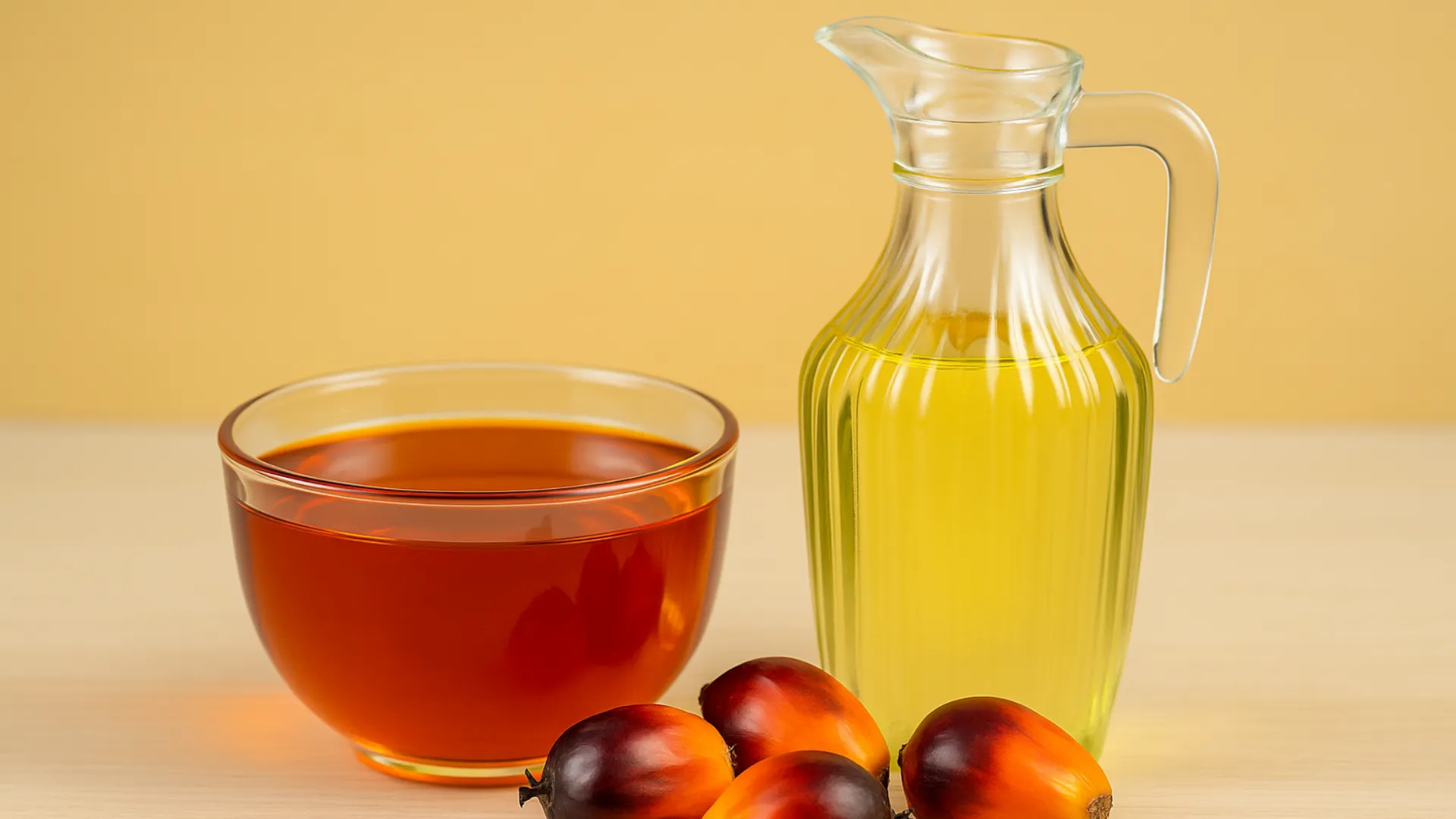
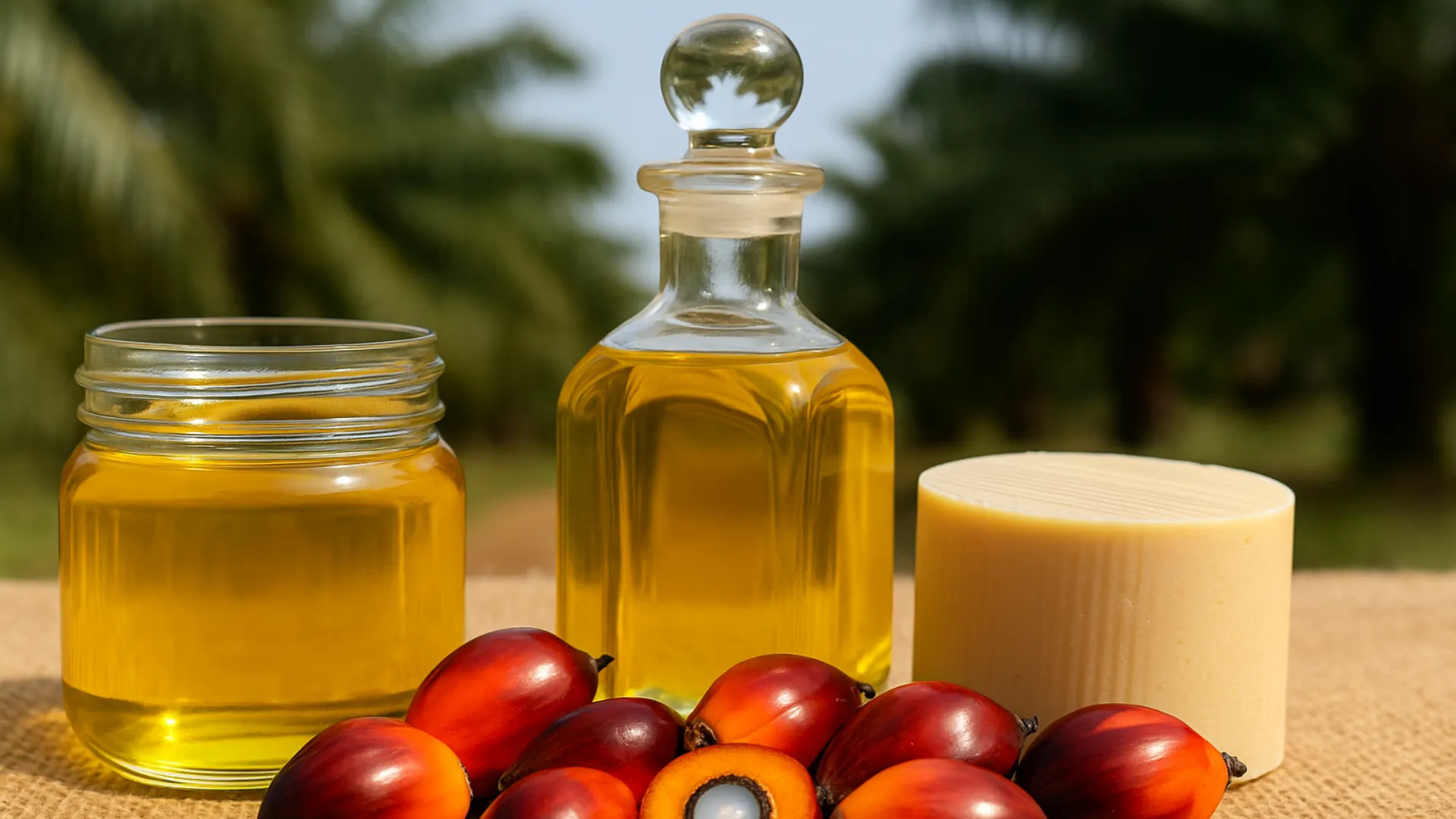
Butter Oil Replacers have emerged as a direct response to the economic challenges associated with dairy fats. Unlike butter oil, which relies on a single upstream source (milk), BOR formulations draw from a diversified pool of raw materials, primarily vegetable oils such as palm, coconut, and sunflower oil. This diversification inherently reduces supply risk and price volatility.
From a cost perspective, BOR offers several advantages. Vegetable oils are generally produced at larger scales and benefit from more stable supply chains, leading to lower and more predictable pricing. Additionally, BOR formulations can be adjusted to optimize cost-performance balance, allowing manufacturers to tailor products to specific price targets.
The flexibility of BOR also extends to formulation. By adjusting the ratio of oils, emulsifiers, and flavor systems, manufacturers can create products that closely replicate the functional properties of butter oil while maintaining cost efficiency. This adaptability makes BOR particularly attractive for applications where cost sensitivity is high, such as mass-market bakery products and confectionery fillings.
Importantly, the adoption of BOR does not necessarily imply a complete replacement of butter oil. In many cases, manufacturers use a hybrid approach, blending dairy fat with replacers to achieve a balance between cost and quality. This partial substitution strategy allows for gradual transition and risk mitigation.
Procurement Strategy Transformation: From Single Source to Multi-Ingredient Sourcing
The shift toward Butter Oil Replacers fundamentally changes procurement strategies. Traditional butter oil sourcing involves relatively straightforward supplier relationships centered around dairy processors. In contrast, BOR requires sourcing multiple ingredients, each with its own supply dynamics.
Procurement teams must manage inputs such as vegetable oils, emulsifiers, and flavor compounds, each sourced from different suppliers and regions. This increases the complexity of supply chain management but also provides opportunities for optimization. By diversifying suppliers and negotiating across multiple input categories, companies can achieve greater cost control and supply flexibility.
Another important aspect is price hedging and forward contracting. While butter oil prices are often difficult to hedge effectively due to their volatility, vegetable oil markets offer more mature financial instruments and forward pricing mechanisms. This allows procurement teams to lock in prices and reduce exposure to market fluctuations.
The transition to BOR also requires closer collaboration between procurement and R&D teams. Ingredient selection is no longer purely a technical decision but a strategic one, influenced by cost targets and supply considerations. This cross-functional integration is a hallmark of modern supply chain management.
Impact on Production Planning and Manufacturing Flexibility
The adoption of Butter Oil Replacers introduces new dynamics in production planning. Unlike butter oil, which is a standardized product, BOR formulations can vary depending on application requirements and cost considerations. This variability requires more flexible manufacturing systems capable of handling different formulations.
From a production standpoint, BOR often involves blending processes rather than traditional dairy processing. This allows for greater scalability and adaptability, as blending operations can be adjusted ????? to accommodate changes in demand or input availability. It also reduces dependency on specialized dairy infrastructure, lowering capital investment requirements.
However, this flexibility comes with challenges. Maintaining consistent quality across batches requires precise control of ingredient ratios and processing conditions. Variability in raw material quality, particularly in vegetable oils, can affect final product performance, necessitating robust quality assurance systems.
Overall, the shift to BOR enhances manufacturing agility, enabling companies to respond more quickly to market changes while optimizing cost efficiency.
Inventory Management and Cost Efficiency Trade-Offs
Inventory management strategies also evolve as manufacturers transition from butter oil to replacers. Butter oil, with its relatively long shelf life, allows for bulk purchasing and stockpiling during periods of favorable pricing. However, its high cost means that holding large inventories ties up significant working capital.
In contrast, BOR components may have varying shelf lives and storage requirements, complicating inventory management. For example, certain vegetable oils may be more susceptible to oxidation, while emulsifiers and flavor systems require specific storage conditions.
Despite this complexity, BOR offers opportunities for cost optimization. By managing inventory across multiple inputs, companies can take advantage of price fluctuations in individual components, purchasing when prices are low and adjusting formulations accordingly. This dynamic approach to inventory management enhances overall cost efficiency.
Market Segmentation: Where Replacement Happens Most Aggressively
The extent to which manufacturers shift from butter oil to replacers varies across market segments. Premium products, where flavor authenticity and brand positioning are critical, tend to retain higher levels of dairy fat. In contrast, mass-market products prioritize cost efficiency, making them more likely to adopt BOR solutions.
Bakery products such as biscuits, cakes, and industrial pastries are among the most active adopters of replacers, as they are produced in large volumes with tight cost constraints. Similarly, confectionery fillings and coatings often use BOR to achieve desired textures at lower costs.
This segmentation highlights the strategic nature of substitution. Manufacturers must carefully evaluate where cost savings can be achieved without compromising product quality or consumer perception.
Long-Term Implications for Supply Chain Design
The growing adoption of Butter Oil Replacers is reshaping supply chain design in the food industry. Companies are moving away from reliance on single-source ingredients toward more diversified and flexible sourcing models. This shift enhances resilience, allowing supply chains to better withstand price shocks and supply disruptions.
At the same time, it introduces new complexities, including multi-ingredient coordination, quality assurance challenges, and increased reliance on formulation expertise. Successfully navigating these complexities requires investment in supply chain capabilities, including data analytics, supplier management, and cross-functional collaboration.
Conclusion: Cost Optimization as a Catalyst for Supply Chain Evolution
The shift from butter oil to Butter Oil Replacers is a clear example of how cost pressures drive innovation and transformation in supply chains. Faced with volatile dairy fat prices, manufacturers are adopting more flexible and diversified sourcing strategies, leveraging the advantages of multi-ingredient formulations to achieve cost efficiency and supply stability.
This transition is not without challenges, but it offers significant opportunities for companies willing to invest in the necessary capabilities. By integrating procurement, R&D, and production planning, manufacturers can create more resilient and adaptable supply chains that are better equipped to navigate an increasingly dynamic market environment.
Ultimately, the rise of Butter Oil Replacers reflects a broader trend in the food industry: the move toward strategic, data-driven decision-making that balances cost, quality, and risk in pursuit of long-term competitiveness.