Introduction
The Asian chemical industry is undergoing a transformative shift, increasingly leaning towards bio-based, sustainable raw materials. At the forefront of this green revolution is the oleochemicals sector, derived from natural oils and fats, with palm oil being a predominant feedstock. Within this dynamic market, Cetyl Stearyl Alcohol stands out as a versatile and indispensable workhorse ingredient. As a blend of cetyl and stearyl alcohols, this fatty alcohol is prized for its emollient, emulsifying, and thickening properties, making it a cornerstone in formulations from luxurious personal care products to robust industrial applications.
Looking ahead to 2026, the demand trajectory for Cetyl Stearyl Alcohol and related palm derivatives in Asia is set for significant growth. This growth is fueled by a confluence of factors: rising disposable incomes, heightened consumer awareness of ingredient origins, stringent environmental regulations, and the region's strategic position as both a major producer and consumer. This article provides a comprehensive analysis of the application trends, market drivers, and future outlook for Cetyl Stearyl Alcohol within Asia's booming oleochemicals industry, offering valuable insights for manufacturers, formulators, and sourcing professionals.
Understanding Cetyl Stearyl Alcohol: A Key Oleochemical
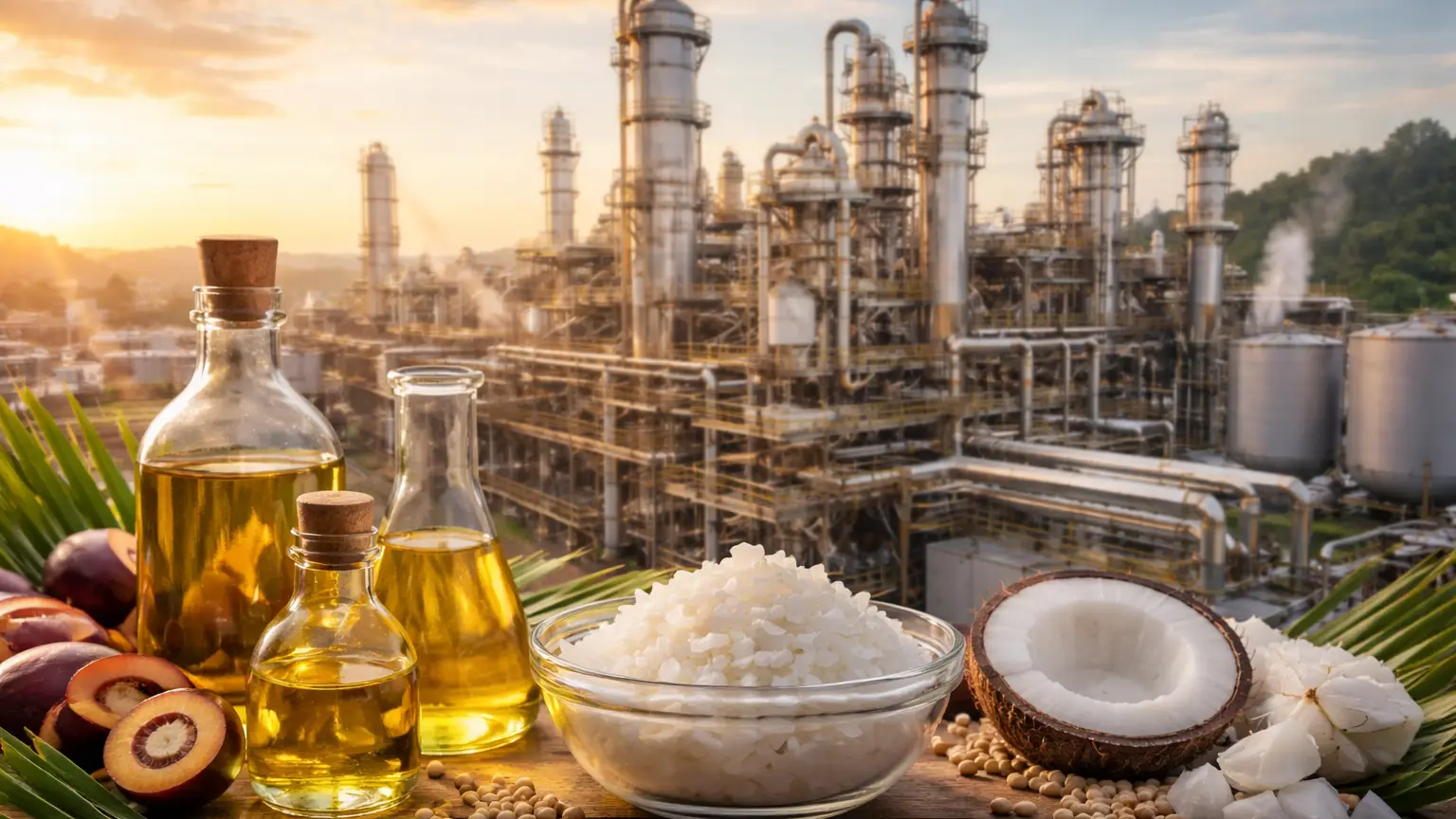
Cetyl Stearyl Alcohol, often referred to as Cetearyl Alcohol in INCI nomenclature, is not a single compound but a synergistic mixture. It typically consists of approximately 30-50% cetyl alcohol (C16) and 50-70% stearyl alcohol (C18). This specific blend is manufactured through the hydrogenation of fatty acids derived from natural sources, with palm kernel oil and coconut oil being the most common feedstocks in Asia. The result is a white, waxy solid or flake with a mild characteristic odor, possessing a unique combination of properties that pure cetyl or stearyl alcohol alone cannot achieve.
The functional benefits of Cetyl Stearyl Alcohol are multifaceted. Primarily, it acts as a non-ionic emulsifier and co-emulsifier, stabilizing oil-in-water emulsions to prevent separation—a critical function in creams and lotions. Secondly, it is an excellent emollient, imparting a smooth, velvety after-feel on the skin without greasiness. Furthermore, it serves as a viscosity modifier and pearlescent agent, enhancing the texture and aesthetic appeal of finished products. Its mild nature and excellent safety profile make it suitable for a wide range of sensitivities. Compared to synthetic alternatives, its natural derivation offers a compelling marketing advantage in an era of clean-label and green chemistry trends.
The Asian Oleochemicals Landscape: A Powerhouse of Production
Asia's dominance in the global oleochemicals market is inextricably linked to its agricultural prowess, particularly in palm oil cultivation. Indonesia and Malaysia collectively account for over 85% of the world's palm oil supply, providing a vast, cost-effective, and integrated feedstock base for derivative products like Cetyl Stearyl Alcohol. This vertical integration, from plantation to refinery to oleochemical complex, creates significant economies of scale and supply chain resilience. Countries like Thailand, the Philippines, and India also contribute substantially, making the region a net exporter of high-value oleochemical intermediates.
The regional market is characterized by a mix of large, integrated conglomerates and specialized mid-sized producers. These players are continuously investing in capacity expansion and technological advancements to improve yield, sustainability certifications (like RSPO), and product purity. The demand within Asia itself is skyrocketing, creating a powerful internal consumption engine. This dual role as the world's factory and a massive consumer market positions Asia uniquely to set global trends in oleochemical applications, with palm derivatives like Cetyl Stearyl Alcohol at the core of this evolution. The trade dynamics are robust, with intra-Asian trade flows being as critical as exports to Europe and North America.
Driving Forces: Key Trends Shaping Demand to 2026
Several powerful macro-trends are converging to accelerate the demand for Cetyl Stearyl Alcohol in Asia through 2026. The most prominent is the explosive growth of the personal care and cosmetics industry, especially in China, India, Japan, and South Korea. Consumers are increasingly seeking premium, multifunctional, and "natural" products, where the mild and effective nature of Cetyl Stearyl Alcohol is highly valued. The men's grooming and premium skincare segments are particularly strong growth vectors. Furthermore, the post-pandemic emphasis on hygiene and wellness continues to bolster markets for pharmaceuticals and sanitizing products, where this ingredient is used as an emulsion stabilizer and texture enhancer.
On the regulatory and environmental front, the push for sustainability is a non-negotiable driver. There is mounting pressure to move away from petrochemical-based ingredients toward renewable, biodegradable alternatives. Cetyl Stearyl Alcohol, as a bio-based oleochemical, fits this mandate perfectly. Additionally, advancements in green chemistry are leading to more efficient and environmentally friendly production processes for palm derivatives. Finally, the rapid industrialization in Southeast Asia and India is fueling demand in industrial applications, including plastics, textiles, and lubricants, where fatty alcohols are used as processing aids and intermediates. This diversification of application sectors ensures stable, long-term demand growth.
Primary Applications Fueling Market Growth
The application portfolio for Cetyl Stearyl Alcohol is broad and expanding, but several key sectors are primary demand drivers. In the personal care and cosmetics industry, it is virtually ubiquitous. It is a fundamental ingredient in moisturizing creams, body lotions, sunscreens, hair conditioners, and styling products. Its ability to create stable, luxurious emulsions with a rich consistency and non-greasy skin feel makes it irreplaceable. Formulators rely on it to improve spreadability, enhance skin hydration, and provide product structure. The trend towards multifunctional ingredients further elevates its status, as it delivers emulsification, emolliency, and viscosity control in a single component.
Beyond personal care, the pharmaceutical industry is a significant consumer. Here, Cetyl Stearyl Alcohol is used as an emulsifying and stiffening agent in topical ointments, creams, and lotions for dermatological applications. Its high purity grades and excellent safety profile are critical for pharmaceutical compliance. In the industrial sector, it finds use as a lubricant and processing aid in plastic and textile manufacturing, as a raw material for producing surfactants and detergents, and in the formulation of industrial coatings and polishes. Its role as an intermediate in the synthesis of other oleochemical derivatives also contributes to steady offtake from chemical manufacturers.
Sourcing and Quality: Partnering with Reliable Suppliers
In a complex and fast-growing market, securing a consistent, high-quality supply of Cetyl Stearyl Alcohol is paramount for business continuity and product integrity. Key specifications buyers must evaluate include the cetostearyl ratio (e.g., 30/70, 50/50), iodine value, saponification value, melting point, and acid value. These parameters directly influence the ingredient's performance in final formulations. Furthermore, certifications related to sustainable palm sourcing, such as Roundtable on Sustainable Palm Oil (RSPO) certification, have transitioned from a niche requirement to a mainstream necessity for brands targeting global and environmentally conscious consumers.
This is where established regional partners like Chemtradeasia play a crucial role. A reputable supplier does more than just transact; they provide supply chain assurance, technical support, and market intelligence. They navigate the complexities of logistics, customs, and regional regulations across diverse Asian markets. For businesses looking to source palm derivatives and oleochemicals, partnering with a supplier that has a strong network with integrated producers ensures access to consistent grades, competitive pricing, and insights into upcoming market shifts. Verifying a supplier's commitment to quality control, documentation, and sustainable sourcing practices is an essential step in building a resilient supply chain for the future.
Conclusion
The outlook for Cetyl Stearyl Alcohol in Asia's oleochemicals industry up to 2026 is decidedly positive and robust. Driven by the powerhouse growth of end-user industries, a strong pivot towards sustainable and bio-based ingredients, and the region's inherent production advantages, this versatile fatty alcohol is poised for sustained demand expansion. Its irreplaceable functionality in creating stable, sensory-pleasing, and effective formulations across personal care, pharmaceutical, and industrial segments cements its status as a market staple.
For businesses operating in or sourcing from this dynamic region, success will hinge on a deep understanding of these application trends and the evolving regulatory landscape. Building strategic partnerships with reliable and knowledgeable suppliers who can guarantee quality, consistency, and sustainability credentials will be a key competitive differentiator. As Asia continues to shape the global oleochemicals narrative, Cetyl Stearyl Alcohol will undoubtedly remain a central character in the story of green chemical innovation and market growth.
Leave a Comment