Introduction: Why Chia Seeds Matter in the Era of Functional Nutrition
The contemporary understanding of food has shifted dramatically from a purely caloric paradigm toward a systems-based view of nutrition, where dietary components are evaluated not only for their macronutrient contribution but for their capacity to modulate biochemical pathways, inflammatory cascades, endocrine signaling, gut microbiota composition, and long-term disease risk. This transformation has given rise to the concept of functional nutrition—a discipline grounded in the recognition that certain foods contain biologically active compounds capable of exerting preventive and therapeutic effects beyond basic nourishment. Within this evolving scientific and commercial landscape, chia seeds (Salvia hispanica L.) have emerged as a uniquely multidimensional ingredient that bridges ancient dietary practices with modern metabolic science.
Historically cultivated by Mesoamerican civilizations such as the Aztecs and Mayans, chia was consumed as a source of endurance and sustained energy. The etymology of the word “chia,” often associated with strength, reflects its perceived functional power long before biochemical assays existed. However, unlike many traditional foods that gain popularity through anecdotal claims alone, chia seeds have now accumulated a substantial body of scientific evidence supporting their metabolic relevance. What distinguishes chia is not a single nutrient headline but rather a structural integration of fiber, omega-3 fatty acids, high-quality plant protein, antioxidants, polyphenols, and essential micronutrients within a minimally processed whole-seed matrix.
In the context of rising global prevalence of non-communicable diseases—including metabolic syndrome, obesity, type 2 diabetes, cardiovascular disease, and inflammatory disorders—the need for dietary interventions that operate across multiple physiological axes is increasingly urgent. Chia seeds demonstrate such multidimensional functionality. Their soluble fiber influences glycemic response and satiety hormones; their alpha-linolenic acid (ALA) modulates inflammatory signaling and lipid metabolism; their phenolic compounds mitigate oxidative stress; their peptides exhibit enzyme-inhibitory potential relevant to blood pressure and glucose control; and their mineral density supports enzymatic and neuromuscular systems.
Importantly, chia’s relevance extends beyond individual health to food system sustainability and plant-based innovation. As consumers demand clean-label, nutrient-dense, and environmentally responsible ingredients, chia aligns with macro trends in functional food development. It represents not merely a superfood trend, but a strategically positioned botanical ingredient capable of supporting preventive healthcare frameworks while integrating seamlessly into modern food technology applications. In this era of metabolic complexity and dietary imbalance, chia seeds matter because they address systemic dysfunction with systemic nutritional architecture.
Botanical Background and Nutritional Composition of Chia Seeds
Chia (Salvia hispanica L.) is an annual herbaceous plant belonging to the Lamiaceae family, a botanical lineage that includes mint, basil, rosemary, and sage. Native to southern Mexico and Guatemala, the plant thrives in subtropical and tropical climates, producing small oval seeds approximately 1.5–2 millimeters in diameter. Commercially, chia seeds appear predominantly black, with smaller proportions of white varieties. While visual distinctions exist, nutritional analyses consistently demonstrate minimal compositional differences between black and white seeds, confirming their functional equivalence.
The botanical structure of chia seeds contributes directly to their metabolic impact. Each seed contains a fully intact bran, endosperm, and germ layer, meaning that macronutrients and micronutrients are naturally encapsulated within a protective matrix. Unlike refined cereals or extracted oils, chia is typically consumed whole, preserving fiber architecture and protecting polyunsaturated fatty acids from excessive oxidation. This structural integrity influences digestion kinetics, nutrient bioavailability, and satiety dynamics.
From a compositional standpoint, chia seeds contain approximately 30–40% lipids, 15–25% protein, 30–40% dietary fiber, and 4–5% ash (minerals). Caloric density ranges between 480 and 560 kcal per 100 grams, reflecting its concentrated energy profile. However, unlike high-calorie processed foods, the metabolic response to chia consumption is moderated by its fiber and unsaturated fat content, resulting in slower glucose absorption and enhanced satiety.
The lipid fraction is dominated by alpha-linolenic acid (ALA), which may constitute up to 60–75% of total fatty acids. This makes chia one of the richest plant-based sources of omega-3 fatty acids available globally. The protein fraction contains all essential amino acids, enhancing its suitability for vegetarian and vegan populations seeking complete plant proteins. Meanwhile, the carbohydrate component is largely non-digestible, consisting primarily of soluble and insoluble fiber.
This balanced macronutrient profile—high fiber combined with high polyunsaturated fat—is nutritionally unusual and metabolically advantageous. It enables chia to influence glycemic control, lipid metabolism, inflammatory balance, and digestive function simultaneously. In essence, chia’s botanical design translates directly into metabolic sophistication.
Dietary Fiber: Gastrointestinal Architecture and Systemic Metabolic Regulation
Chia seeds rank among the most fiber-dense natural foods, containing approximately 34–40% total dietary fiber. This fiber is distributed between insoluble and soluble fractions, each exerting distinct physiological effects while contributing to an integrated metabolic outcome.
The insoluble fiber component enhances stool bulk and accelerates intestinal transit, supporting regular bowel movements and reducing constipation risk. By decreasing transit time, insoluble fiber may lower exposure of the intestinal mucosa to potentially harmful metabolites and bile acid derivatives associated with colorectal pathology. However, the mechanical digestive function of insoluble fiber represents only one dimension of chia’s metabolic impact.
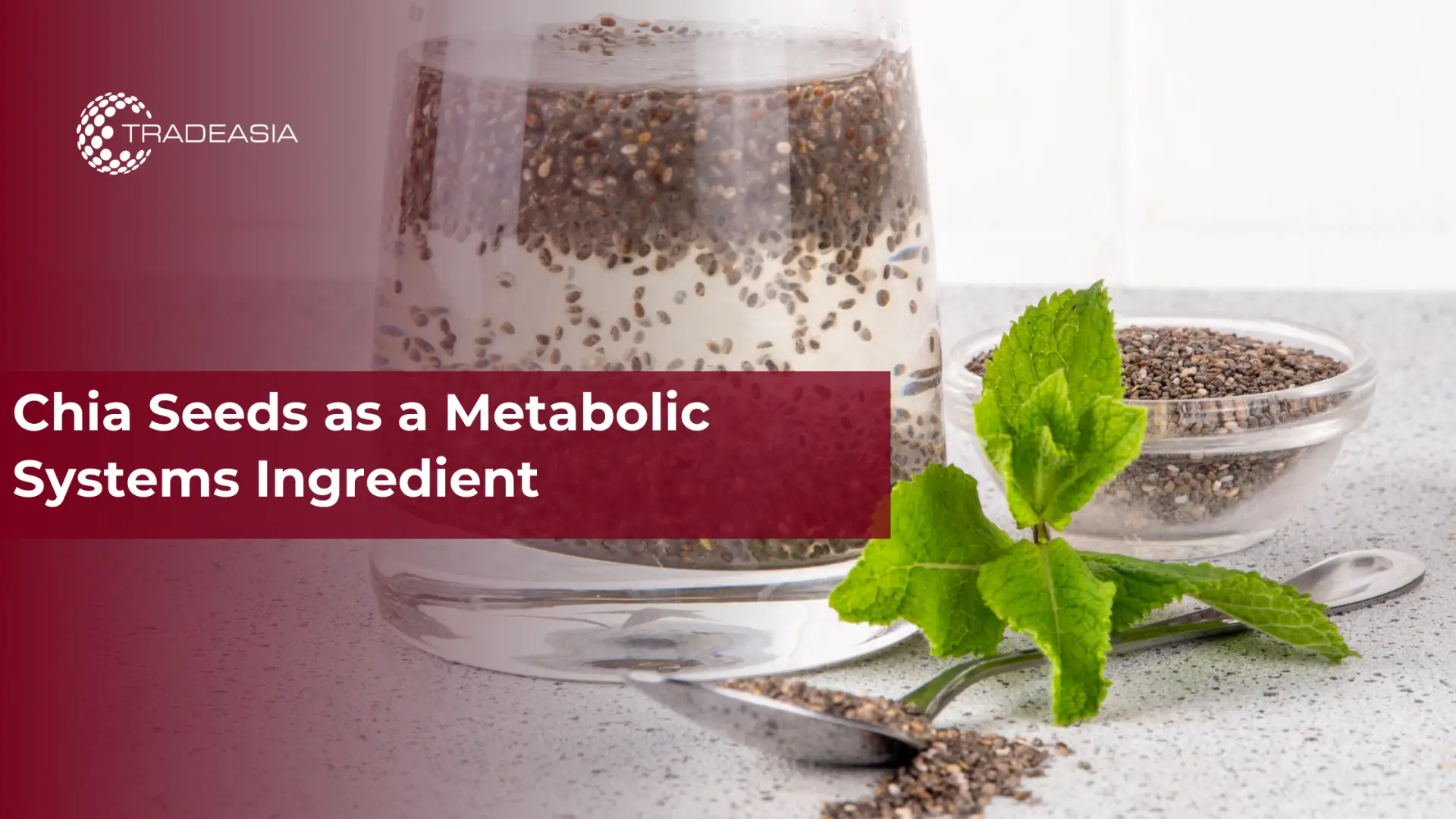
The soluble fiber fraction is of far greater systemic significance. Upon hydration, chia seeds form a viscous mucilaginous gel due to polysaccharides in the seed coat. This gel formation slows gastric emptying and reduces enzymatic access to macronutrients, particularly carbohydrates. Consequently, postprandial blood glucose excursions are attenuated, and insulin demand is moderated. For individuals with insulin resistance or impaired glucose tolerance, such delayed absorption mechanisms may contribute meaningfully to glycemic stability.
Furthermore, soluble fiber influences satiety hormones, including ghrelin suppression and peptide YY stimulation. Gastric distension caused by gel expansion prolongs fullness and may reduce subsequent caloric intake. In weight management contexts, this satiety-enhancing property supports sustainable dietary adherence rather than rapid caloric restriction.
Fermentation of soluble fiber by colonic microbiota generates short-chain fatty acids (SCFAs) such as butyrate, acetate, and propionate. These metabolites exert anti-inflammatory effects, strengthen intestinal barrier integrity, and influence hepatic lipid metabolism. Emerging research suggests that gut microbiota modulation may impact systemic inflammation, insulin sensitivity, and even neuroimmune signaling.
Thus, chia’s fiber functions as a metabolic regulator operating across mechanical digestion, endocrine signaling, microbial ecology, and inflammatory modulation. It represents a cornerstone of chia’s multidimensional health relevance.
Omega-3 Fatty Acids: Inflammatory Modulation and Cardiovascular Resilience
Alpha-linolenic acid (ALA) constitutes the defining lipid component of chia seeds. In modern dietary patterns, excessive omega-6 intake relative to omega-3 contributes to chronic low-grade inflammation—a hallmark of metabolic syndrome and cardiovascular disease. Chia offers a potent means of rebalancing this ratio.
ALA influences membrane fluidity, gene transcription via peroxisome proliferator-activated receptors (PPARs), and production of eicosanoids. By competing with arachidonic acid pathways, omega-3 fatty acids reduce synthesis of pro-inflammatory prostaglandins and cytokines. Clinically, increased omega-3 intake correlates with lower serum triglycerides, improved endothelial function, decreased platelet aggregation, and modest reductions in blood pressure.
Although human conversion of ALA to EPA and DHA is limited, consistent intake remains beneficial, particularly in populations with low fish consumption. Moreover, the antioxidant content of chia protects its polyunsaturated fats from oxidative degradation, enhancing biological stability.
The synergy between ALA and fiber further amplifies lipid-regulating effects. Soluble fiber binds bile acids, promoting cholesterol excretion and encouraging hepatic cholesterol utilization for bile synthesis. This integrated lipid-lowering mechanism positions chia as a strategic cardioprotective ingredient.
Antioxidants and Polyphenols: Oxidative Stress Defense and Cellular Longevity
Chia seeds contain diverse phenolic compounds including chlorogenic acid, caffeic acid, rosmarinic acid, quercetin, kaempferol, and myricetin. These molecules function as free radical scavengers and modulators of oxidative signaling pathways. Oxidative stress contributes to endothelial dysfunction, insulin resistance, neurodegeneration, and carcinogenesis. By neutralizing reactive oxygen species, chia’s antioxidants protect lipids, proteins, and DNA from damage.
Rosmarinic acid exhibits anti-inflammatory activity through inhibition of NF-κB signaling. Flavonoids such as quercetin influence endothelial nitric oxide production and vascular tone. Polyphenols may also inhibit carbohydrate-digesting enzymes, supporting glycemic control.
Importantly, antioxidants stabilize chia’s lipid fraction, preventing rancidity and preserving bioefficacy. This internal stabilization enhances both shelf life and metabolic impact, reinforcing chia’s functional robustness.
Protein and Bioactive Peptides: Beyond Structural Nutrition
Chia seeds contain 19–25% protein, including all essential amino acids. Enzymatic hydrolysis releases bioactive peptides with ACE-inhibitory activity, suggesting antihypertensive potential. Some peptides also inhibit DPP-IV, an enzyme involved in glucose regulation, indicating possible benefits for type 2 diabetes management.
Additionally, chia protein exhibits emulsifying and water-binding properties, enhancing functionality in plant-based food systems. Its dual nutritional and technological value strengthens its position in functional food innovation.
Vitamins and Minerals: Micronutrient Infrastructure for Metabolic Stability
Chia provides calcium, magnesium, phosphorus, iron, manganese, and selenium in meaningful quantities. Magnesium supports insulin signaling and vascular tone. Calcium and phosphorus contribute to bone mineralization. Iron supports oxygen transport and mitochondrial energy production. Selenium and manganese support antioxidant enzyme systems.
The presence of B vitamins further facilitates energy metabolism and cellular repair processes, complementing chia’s macronutrient functions.
Clinical Relevance in Metabolic Disorders
Clinical trials indicate that chia supplementation may reduce systolic blood pressure, improve lipid profiles, and attenuate postprandial glycemic responses. Its fiber-induced satiety effects may contribute modestly to weight regulation. While large-scale randomized trials remain necessary, mechanistic evidence strongly supports its cardiometabolic relevance.
Chia addresses multiple components of metabolic syndrome simultaneously—abdominal obesity, dyslipidemia, hypertension, and impaired glucose tolerance—making it uniquely multidimensional.
Industrial Applications and Functional Food Strategy
Chia’s mucilage enables use as a natural thickener, stabilizer, and egg replacer. Chia flour enhances fiber and omega-3 enrichment in bakery products. Chia oil supports nutraceutical capsules and functional beverages. As global demand for plant-based, clean-label ingredients rises, chia aligns with sustainability and health-driven innovation trends.
Conclusion: Chia Seeds as a Systems-Level Nutritional Strategy
Chia seeds represent a convergence of botanical resilience and metabolic intelligence. Their integrated matrix of fiber, omega-3 fatty acids, polyphenols, peptides, and micronutrients operates across interconnected physiological pathways. Rather than targeting a single biomarker, chia supports systemic balance—gastrointestinal, cardiovascular, inflammatory, and glycemic.
In an era defined by chronic disease prevalence and dietary imbalance, chia seeds stand as more than a superfood trend. They represent a strategic systems-level ingredient embedded within nature’s design and validated by modern nutritional science.
For businesses seeking high-quality chia seeds products and reliable sourcing solutions, visit foodadditivesasia.com for more information about specifications, applications, and supply capabilities. For direct inquiries, product details, or customized requirements, please contact food@chemtradeasia.com. Our team is ready to assist you with professional support and comprehensive solutions tailored to your needs.
Sources
-
Khalid, W. et al. (2023). Chia Seeds (Salvia hispanica L.): A Therapeutic Weapon in Metabolic Disorders.
Food Science & Nutrition, 11(3), 3–16.
Available at:
https://pmc.ncbi.nlm.nih.gov/articles/PMC9834868/pdf/FSN3-11-3.pdf -
ScienceDirect Article (2023).
https://www.sciencedirect.com/science/article/pii/S1756464623000804 -
ResearchGate Publication:
Medicinal and Nutraceutical Benefits of Chia Seed (Salvia hispanica)
https://www.researchgate.net/publication/348541958_Medicinal_and_Nutraceutical_Benefits_of_Chia_Seed_Salvia_hispanica