
Introduction
The boric acid market has become increasingly strategic for manufacturers and distributors across America, particularly as China remains one of the world’s key producers and exporters of boron-based chemicals. For purchasing managers, formulators, and procurement teams in the United States, keeping track of China domestic boric acid price movements is essential to managing input costs, negotiating contracts, and planning inventory. Shifts in Chinese production, energy costs, and export policies can quickly influence landed prices at US ports and reshape sourcing strategies.
Over the past few years, boric acid has seen fluctuating demand from sectors such as glass and fiberglass, ceramics, agriculture, flame retardants, and specialty chemicals. These downstream industries are highly sensitive to raw material price changes. As a result, American buyers increasingly monitor Chinese domestic price benchmarks, not only as a reference for import parity pricing but also as an early indicator of potential volatility. Understanding these dynamics enables buyers to lock in favorable terms or diversify supply before price shocks ripple through global markets.
This article provides a structured overview of the current China boric acid price environment, the underlying market forces, and the implications for American buyers. It also outlines how sourcing through Chemtradeasia.com can help mitigate risk, improve price transparency, and ensure consistent quality for industrial applications in the US. While exact daily or weekly price quotes are best obtained directly from suppliers, the analysis below offers a comprehensive framework for interpreting trends and planning procurement.
Global and China Boric Acid Market Overview
Boric acid (H3BO3) is primarily derived from boron-containing minerals such as kernite, colemanite, and ulexite, as well as from refined borax. Globally, the boron value chain is relatively concentrated, with a limited number of major mining and refining regions, including Turkey, the United States, South America (notably Argentina and Chile), and China. Turkey has historically been one of the largest boron mineral producers, while China plays a critical role in refining and supplying boric acid and related borates to both domestic and export markets.
China’s boric acid market is shaped by a combination of domestic demand from glass, ceramics, and agriculture, and its position as a significant exporter to Asia-Pacific, Europe, and the Americas. Over the last decade, China has invested in upgrading production facilities, improving energy efficiency, and tightening environmental compliance. These efforts, while beneficial in the long term, periodically reduce effective capacity when plants undergo upgrades or face stricter environmental inspections. Such episodes can temporarily tighten supply and put upward pressure on domestic prices, which in turn affects export offers.
For American buyers, China’s role is particularly important because Chinese boric acid often competes directly with supplies from Turkey and US domestic producers on a delivered-cost basis. Freight rates, currency movements (especially the USD/CNY exchange rate), and trade policies can all tilt the balance in favor of one origin over another. As a result, procurement teams in the US typically monitor both global boron mineral fundamentals and China-specific factors such as domestic demand cycles, environmental policies, and logistics constraints when evaluating sourcing options.
Price Trends for China Domestic Boric Acid
China domestic boric acid prices are influenced by a combination of raw material costs, energy prices, environmental regulation, and downstream demand. In recent years, periods of strong demand from the glass and fiberglass sectors—driven by construction, automotive, and renewable energy infrastructure—have supported firmer price levels. Conversely, during slowdowns in construction or export-oriented manufacturing, domestic consumption eases, and Chinese producers may become more aggressive in export markets, putting downward pressure on international prices.
Typically, Chinese boric acid is traded in standard industrial grades with purity ranging from about 99.5% to 99.9%, often priced on an ex-works or FOB basis. Domestic benchmark prices in China’s key producing regions can fluctuate within a band that reflects both production economics and competition from imported boron concentrates. When energy prices rise or when environmental inspections limit operating rates, producers face higher cost structures, which are reflected in firmer domestic price quotations. These costs are then passed through to export offers to the US, with additional adjustments for freight, insurance, and port handling.
From the perspective of American buyers, what matters most is the relationship between China domestic prices and the total landed cost at US ports such as Los Angeles, Houston, or New York/New Jersey. Even if domestic Chinese prices are stable, changes in ocean freight rates, container availability, or currency exchange can alter the competitiveness of Chinese-origin boric acid. For example, when container freight rates surged globally, some US buyers temporarily shifted to closer or alternative sources despite stable Chinese ex-works prices. Conversely, when freight markets normalized, Chinese boric acid regained its cost advantage for many industrial users.
To navigate these dynamics, many US companies rely on structured price monitoring and supplier relationships. Platforms like Chemtradeasia.com aggregate offers from multiple producers and trading partners in China, providing indicative price ranges and availability. While spot prices can move week by week, the broader trend—whether stable, rising, or softening—helps buyers decide whether to enter longer-term contracts, keep more inventory, or diversify supply. Regular communication with suppliers is essential, as some producers may offer discounts for larger volumes, flexible shipment windows, or combined cargoes with other boron-based products.
Product Profile: Industrial Boric Acid from Chemtradeasia.com
Chemtradeasia.com is a global B2B platform specializing in chemicals and raw materials, including industrial boric acid sourced from established producers in China and other key regions. For American buyers, the platform provides a structured way to compare specifications, packaging options, and pricing from multiple origins. Typical boric acid products offered through Chemtradeasia include granular and powder forms with purity levels of 99.5% and above, suitable for glass, ceramics, agriculture, and chemical synthesis applications.
In terms of specifications, industrial-grade boric acid supplied through Chemtradeasia.com generally adheres to international quality standards, with controlled levels of impurities such as sodium, sulfate, and heavy metals. Standard packaging often includes 25 kg bags, 50 kg bags, or jumbo bags (500–1000 kg) made from woven polypropylene with inner liners to protect against moisture. For American customers with specific handling or regulatory requirements, customized packaging and labeling can often be arranged, including compliance with US transport and safety regulations.
One of the key advantages of sourcing boric acid via Chemtradeasia.com is improved transparency and logistical support. Buyers can request quotations that reflect current China domestic boric acid price levels, along with freight options to major US ports. The platform’s trading teams coordinate with producers, shipping lines, and local logistics partners to optimize shipment routes, consolidate loads when feasible, and manage documentation such as certificates of analysis (COA), packing lists, and customs paperwork. This integrated approach helps American companies reduce administrative burden and focus on core manufacturing activities.
Additionally, Chemtradeasia’s multi-origin network allows buyers to compare Chinese boric acid with alternatives from other producing countries. In periods when China domestic prices are elevated or when export availability is tight, American buyers can evaluate alternative sources without having to establish entirely new supplier relationships. This flexibility is particularly valuable for industries that require continuous supply and cannot tolerate production interruptions due to raw material shortages or extreme price spikes.
Applications and Benefits of Boric Acid for American Industries
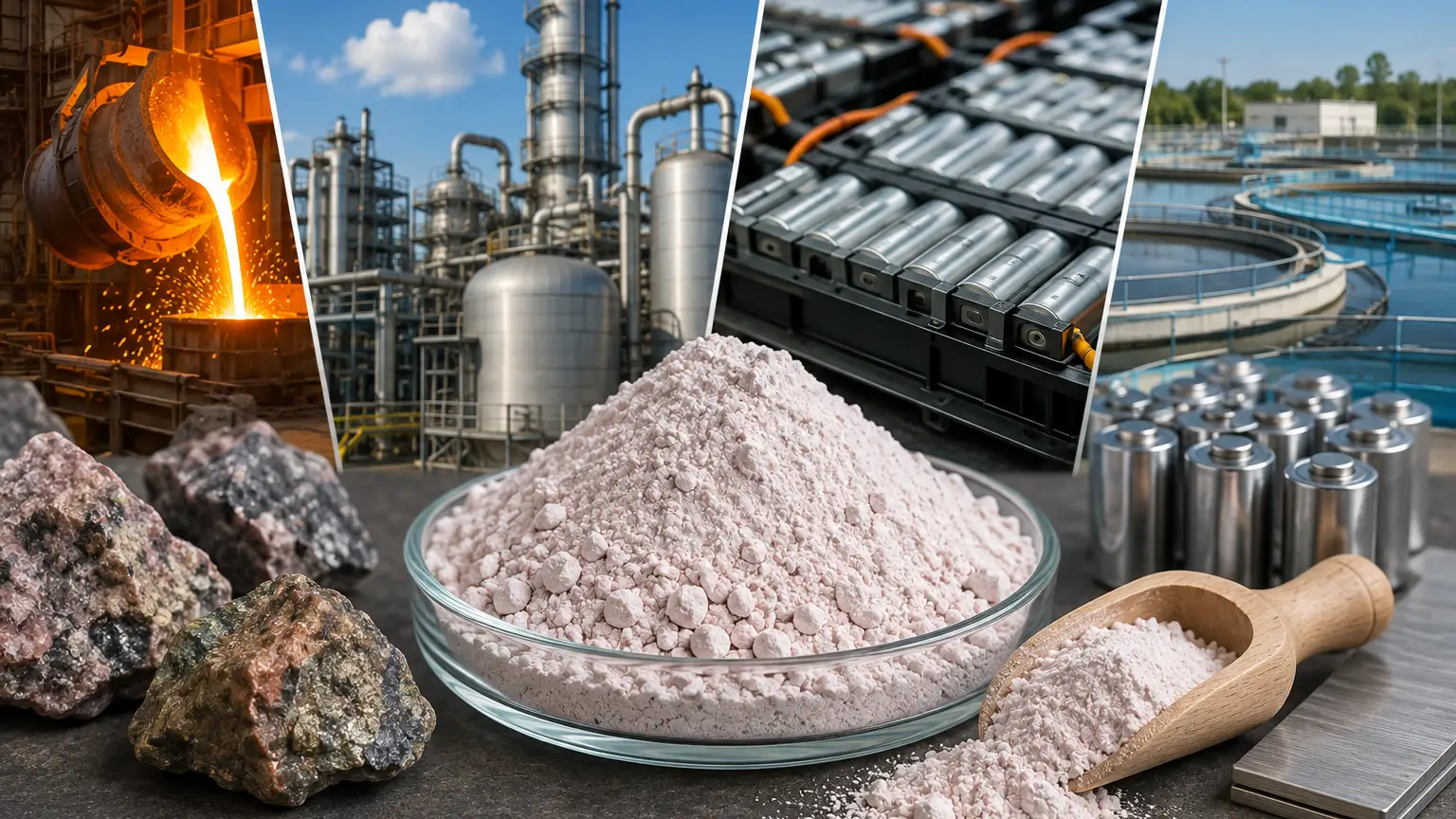
Boric acid is a versatile chemical with a broad range of applications across American industries. In the glass and fiberglass sector, it is used to improve thermal resistance, chemical durability, and mechanical strength. Borosilicate glass, for example, relies on boron content to withstand high temperatures and thermal shock, making it essential for laboratory glassware, cookware, and certain electronic components. In fiberglass and insulation materials, boric acid helps enhance fiber formation and performance, supporting energy-efficient building solutions.
In ceramics and enamel manufacturing, boric acid acts as a flux, lowering melting temperatures and improving glaze properties. This improves surface finish, adhesion, and chemical resistance in tiles, sanitaryware, and decorative ceramics. The US construction and remodeling markets, which demand high-quality, durable ceramic products, indirectly drive steady consumption of boric acid. Additionally, boric acid is used in the production of specialty fertilizers and micronutrient formulations, providing essential boron for crop growth. American agriculture, particularly in boron-deficient soils, benefits from controlled application of boron-containing products to support yield and quality.
Another important category of applications is in fire retardants and wood preservation. Boric acid and borates are used in certain flame-retardant formulations for textiles, insulation, and building materials, as well as in preservatives that protect wood from insects and fungi. These uses are subject to regulatory and safety considerations, but they showcase the functional value of boric acid in enhancing safety and durability. In the field of specialty chemicals, boric acid serves as a precursor or catalyst in the manufacture of lubricants, pharmaceuticals (under strict regulatory controls), and various organic and inorganic compounds.
For American manufacturers, the benefits of using high-quality boric acid sourced through platforms like Chemtradeasia.com include consistent product performance, supply reliability, and competitive pricing. Stable and predictable quality helps reduce process variability, minimize waste, and maintain product standards. Meanwhile, access to current China domestic boric acid price information and competitive logistics solutions enables buyers to manage total landed cost more effectively. By aligning procurement strategies with market trends and leveraging experienced trading partners, US companies can secure the advantages of global sourcing while mitigating associated risks.
Conclusion
China’s domestic boric acid market plays a central role in shaping global price trends and supply availability. For buyers in the United States, understanding how Chinese production economics, environmental policies, and domestic demand cycles interact is crucial for anticipating cost changes and avoiding supply disruptions. While local and alternative sources of boric acid exist, Chinese-origin material often remains a key component of the procurement mix due to its scale, technical quality, and historically competitive pricing.
By monitoring China domestic boric acid price movements and integrating this information into strategic sourcing decisions, American companies can better time purchases, negotiate contracts, and diversify supplier portfolios. Platforms such as Chemtradeasia.com provide valuable support by connecting buyers with vetted producers, offering up-to-date market indications, and managing logistics from origin to US ports. This combination of market insight and operational support helps industrial users in sectors ranging from glass and ceramics to agriculture and flame retardants maintain continuity of supply and control input costs.
This article is intended solely for informational and market insight purposes and does not constitute technical, safety, regulatory, or professional advice. Readers should independently verify all information with qualified experts, consult official documentation such as MSDS/SDS and relevant regulations, and contact our team or other competent professionals for guidance on specific applications, handling, and compliance requirements.