Introduction
The Asian food and beverage industry is a dynamic and rapidly evolving landscape, driven by urbanization, rising disposable incomes, and shifting consumer preferences towards convenience, safety, and enhanced taste. At the heart of this transformation lies a suite of essential food additives that ensure product quality, shelf stability, and sensory appeal. Among these, Citric Acid Monohydrate stands out as one of the most versatile and widely used organic acids globally. Its role extends far beyond simply adding a sour taste; it is a multifunctional workhorse critical for acidulation, preservation, and stabilization.
For manufacturers, suppliers, and stakeholders across Asia, understanding the specifications, applications, and sourcing channels for high-quality Citric Acid Monohydrate is paramount. This article delves into the intricacies of this vital additive, exploring its chemical nature, its diverse roles in food processing, the current market dynamics within Asia, and key considerations for procurement. Platforms like Chemtradeasia have become instrumental in connecting reliable suppliers with industries that depend on consistent, food-grade chemical ingredients to meet stringent regional standards and consumer demands.
Understanding Citric Acid Monohydrate: A Product Deep Dive
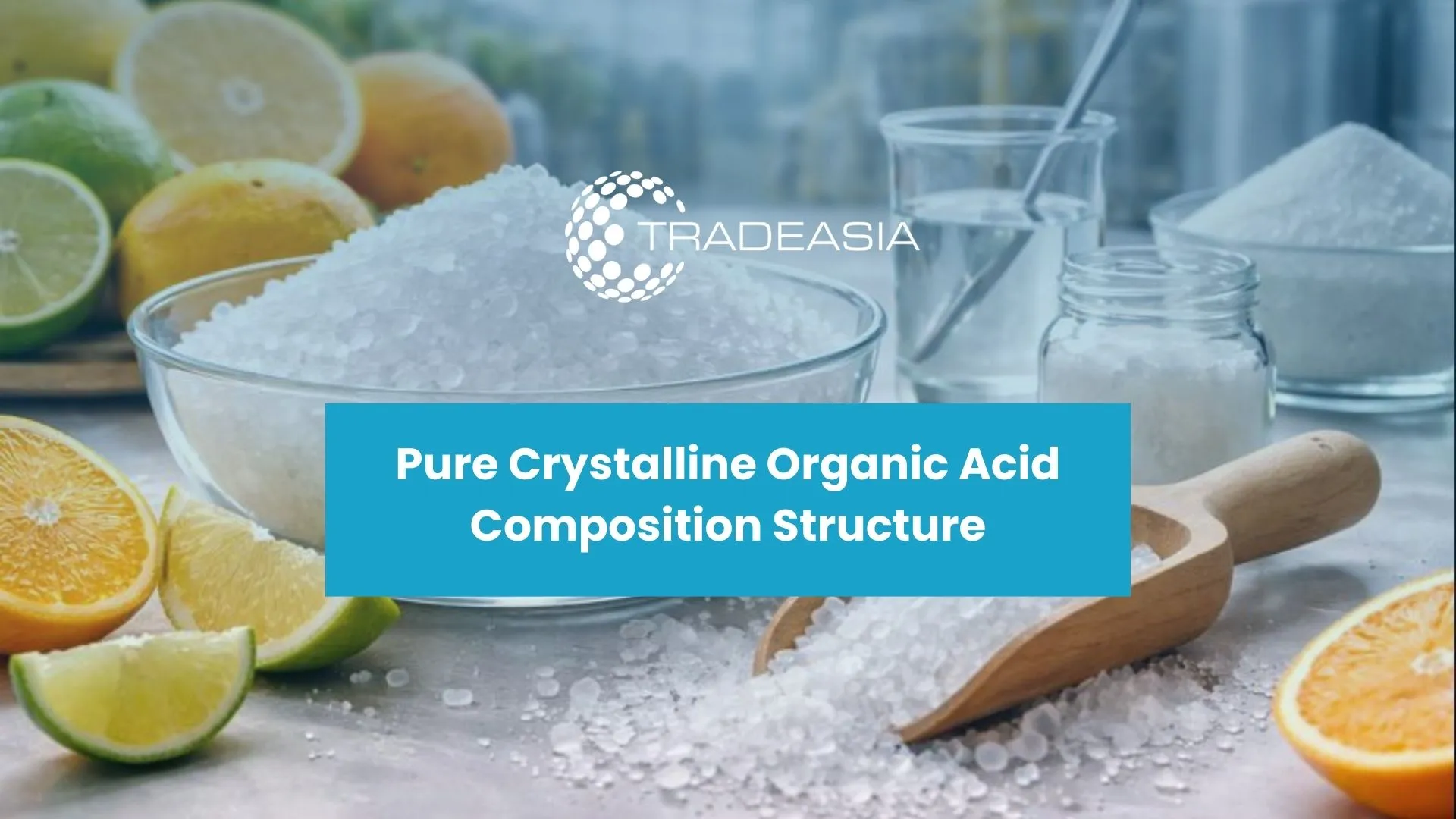
Citric Acid Monohydrate (C6H8O7·H2O) is the crystalline, hydrated form of citric acid, containing one molecule of water of crystallization. It is typically produced through the microbial fermentation of carbohydrate substrates, such as molasses from sugar cane or corn-derived sugars, using strains of the fungus Aspergillus niger. This biotechnological production method is predominant and aligns with the clean-label trends favored by modern consumers. The monohydrate form appears as colorless, translucent crystals or a white, crystalline powder with a strongly acidic taste. It is highly soluble in water and alcohol, a property that makes it exceptionally easy to incorporate into a vast array of liquid and solid food matrices.
From a specification standpoint, food-grade Citric Acid Monohydrate must adhere to strict purity standards set by international bodies like the Food Chemicals Codex (FCC) and regional authorities such as the China Food Additive Standards (GB). Key parameters include assay (purity typically not less than 99.5%), limits on heavy metals like lead and arsenic, oxalate content, and sulfate ash. The presence of the water molecule (approximately 8% by weight) distinguishes it from the anhydrous form. While both forms are functionally similar in many applications, the monohydrate is often preferred in environments where controlled humidity during processing is manageable, and its slightly lower acidity per unit weight is accounted for in formulations.
Key Applications in the Asian Food & Beverage Industry
In Asia's bustling food sector, Citric Acid Monohydrate finds application in virtually every sub-category. In the beverage industry, which is colossal in countries like China, Japan, India, and Southeast Asia, it is the acidulant of choice for soft drinks, fruit juices, nectars, and ready-to-drink teas. It provides a sharp, refreshing tartness that balances sweetness and enhances fruit flavors. Beyond taste, it acts as a preservative by lowering pH, inhibiting the growth of spoilage microorganisms, and as a chelating agent to sequester metal ions that can catalyze oxidation, thus preventing discoloration and flavor deterioration in products like iced tea.
The confectionery and bakery sectors heavily rely on its properties. In jellies, gummies, and sour candies, it imparts the characteristic sour taste and helps set pectin gels. In baked goods, it can be part of leavening systems when combined with baking soda. Perhaps one of its most critical roles is in the processed fruit and vegetable industry, including jams, canned goods, and frozen products. Here, it is used for acidification to ensure safe thermal processing (especially for low-acid foods), to protect color and flavor by inactivating enzymes like polyphenol oxidase (which causes browning), and to enhance the gelling process. Its use in dairy products, such as processed cheese, helps in emulsification and texture improvement, while in fats and oils, it acts as an antioxidant synergist.
Benefits and Functional Roles in Food Processing
The widespread adoption of Citric Acid Monohydrate is attributed to its multifaceted functional benefits. Primarily, it is an effective acidulant and flavor enhancer. It provides a clean, natural sourness that is more acceptable and familiar to the palate compared to many other acids. This flavor-enhancing property (umami effect in some contexts) allows for the reduction of salt or sweeteners in certain formulations, aligning with health-conscious trends. Secondly, its role as a powerful preservative and antioxidant is economically significant. By acidifying the food environment, it creates conditions unfavorable for bacteria, yeasts, and molds, thereby extending shelf life without the need for stronger, less desirable preservatives.
Another crucial function is its action as a chelating or sequestering agent. Citric Acid Monohydrate binds to metal ions such as iron and copper. This is vital because these ions can act as pro-oxidants, leading to rancidity in oils, color changes, and loss of nutritional value (e.g., vitamin degradation). By chelating them, it stabilizes the product. Furthermore, it serves as a pH adjuster and buffer, maintaining a desired and consistent acidity level, which is critical for process control and final product safety. Its ability to modify texture, aid in gel formation, and act as an emulsifying salt in dairy analogues underscores its indispensable nature in modern food science.
Market Trends and Insights in Asia
The Asia-Pacific region dominates the global Citric Acid Monohydrate market, both in terms of production and consumption. China is the world's largest producer, accounting for a significant majority of global output, driven by large-scale fermentation capabilities and access to raw materials like corn. This production hegemony makes China a focal point for global supply chains. Consumption growth is robust across Southeast Asia and the Indian subcontinent, fueled by the expansion of the processed food and beverage industries, rising urbanization, and the proliferation of quick-service restaurants and packaged food consumption.
Key trends shaping the market include the growing demand for clean-label and natural ingredients. Since citric acid is produced via fermentation and is perceived as "natural," it benefits from this trend, often replacing phosphoric acid in certain applications. There is also an increased focus on non-GMO and organic-certified variants to cater to premium market segments. Sustainability in production, including waste management from fermentation processes and energy efficiency, is becoming a critical differentiator for suppliers. Furthermore, the COVID-19 pandemic underscored the importance of resilient and diversified supply chains, prompting many Asian manufacturers to reassess their sourcing strategies and partner with reliable platforms and distributors to ensure continuity.
Sourcing and Quality Considerations
For businesses in Asia procuring Citric Acid Monohydrate, several critical factors must be evaluated to ensure product safety, consistency, and regulatory compliance. First and foremost is certification and grade. The product must be explicitly labeled as Food Grade and comply with relevant standards, FCC, USP, or regional equivalents like India's FSSAI or Indonesia's BPOM regulations. Certificates of Analysis (CoA) from the supplier are non-negotiable, detailing purity, heavy metal content, and microbiological parameters.
The choice between domestic Chinese producers and international suppliers involves trade-offs in cost, logistics, and perceived quality consistency. Partnering with established chemical distributors or B2B platforms like Chemtradeasia can mitigate risk. These platforms provide access to vetted suppliers, streamline logistics, and offer crucial market intelligence. It is also essential to consider packaging (typically 25 kg multi-layer paper bags with polyethylene liner for moisture protection), storage conditions (cool, dry place), and the supplier's ability to provide technical support and documentation like Material Safety Data Sheets (MSDS/SDS). For specific applications, such as halal or kosher food production, appropriate certification from the supplier is required.
Conclusion
Citric Acid Monohydrate remains an indispensable pillar of the Asian food and beverage industry. Its unparalleled versatility as an acidulant, preservative, chelator, and texture modifier makes it a silent yet critical component in ensuring the safety, quality, and appeal of countless products on supermarket shelves. As consumer trends evolve towards cleaner labels and sustainable production, the demand for reliably sourced, high-quality citric acid is set to grow further. Understanding its technical specifications, applications, and the dynamics of the Asian market is crucial for any stakeholder in the food supply chain.
For manufacturers, leveraging robust sourcing networks and maintaining rigorous quality checks will be key to capitalizing on the opportunities this essential additive presents. As the industry advances, the synergy between innovative food science and reliable ingredient supply, facilitated by platforms connecting global markets, will continue to drive growth and innovation across the region.
Disclaimer: This article is for informational and market insight purposes only. It is not intended as technical, safety, or professional advice. The information presented regarding applications, specifications, and market trends should be verified independently. For specific applications, formulations, or safety handling procedures, readers must consult qualified experts, refer to official product documentation and Safety Data Sheets (SDS), and comply with all local regulations. We strongly advise contacting our technical team or the chemical supplier directly for precise guidance tailored to your specific needs. To ensure a consistent supply of high-quality Citric Acid Monohydrate that meets Asian regulatory standards, you can contact the Chemtradeasia team as your trusted sourcing partner for food-grade chemical ingredients.