Introduction: Agricultural Inputs at the Core of Functional Fat Stability
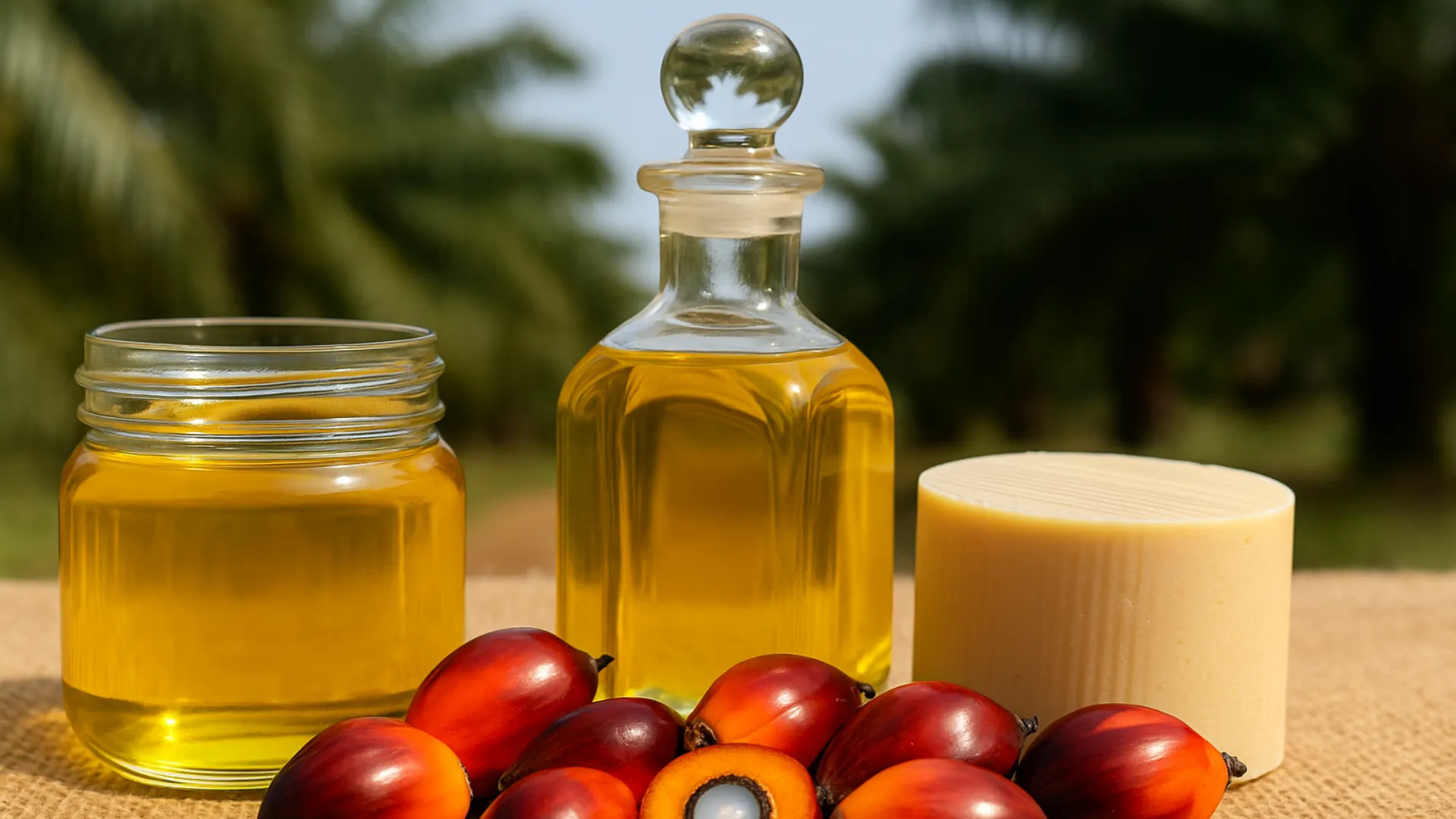
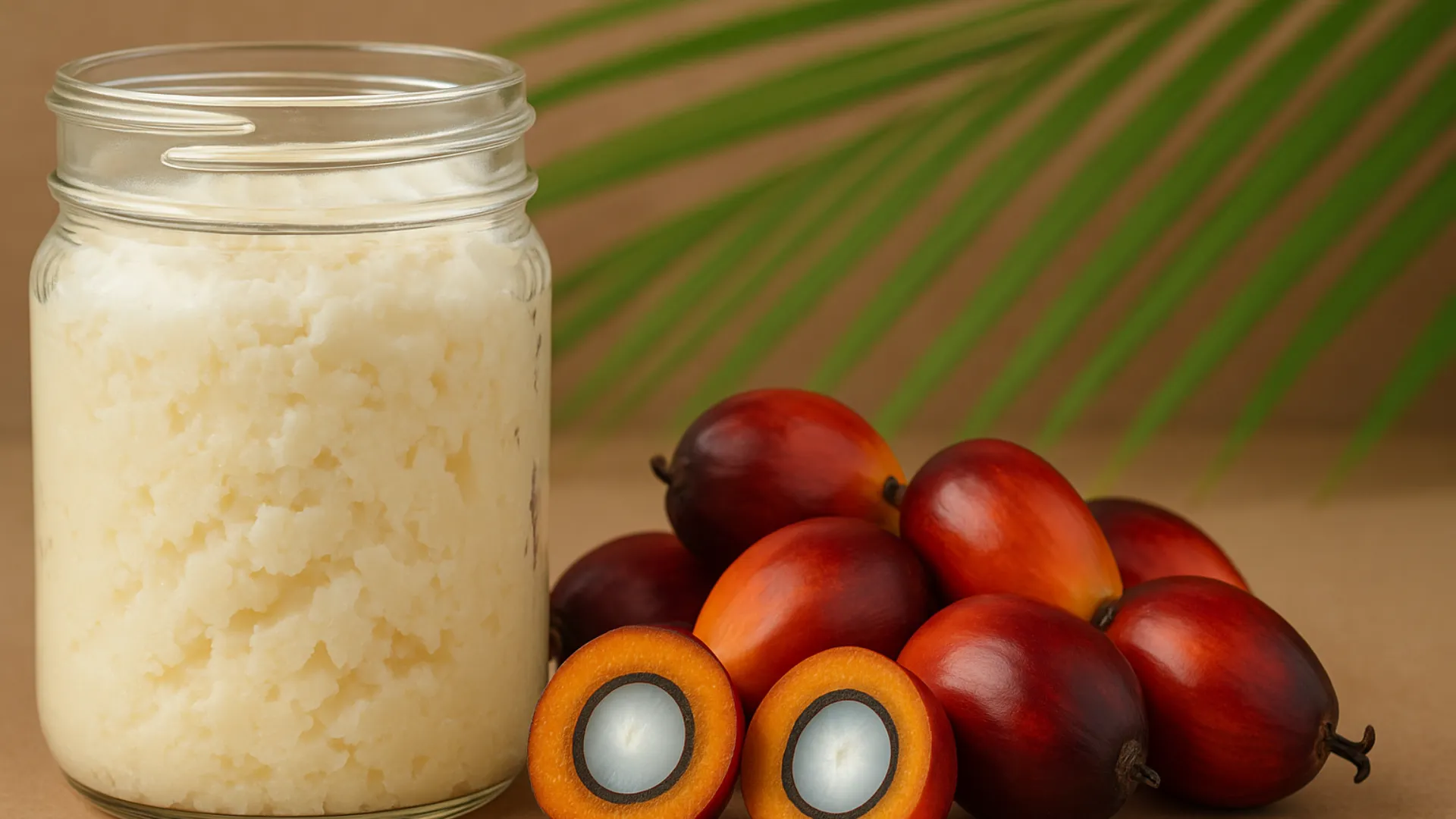
Butter Oil Replacer (BOR) formulations are widely used in bakery, confectionery, dairy alternatives, cream fillings, and processed foods to replicate the flavor, mouthfeel, and melting profile of anhydrous milk fat (AMF) or butter oil at a lower and more stable cost. Unlike dairy-derived fats, BORs are typically manufactured from vegetable oil fractions—most commonly palm oil fractions (palm stearin, palm mid-fractions), palm kernel oil, and in some cases coconut oil or fully hydrogenated vegetable oils.
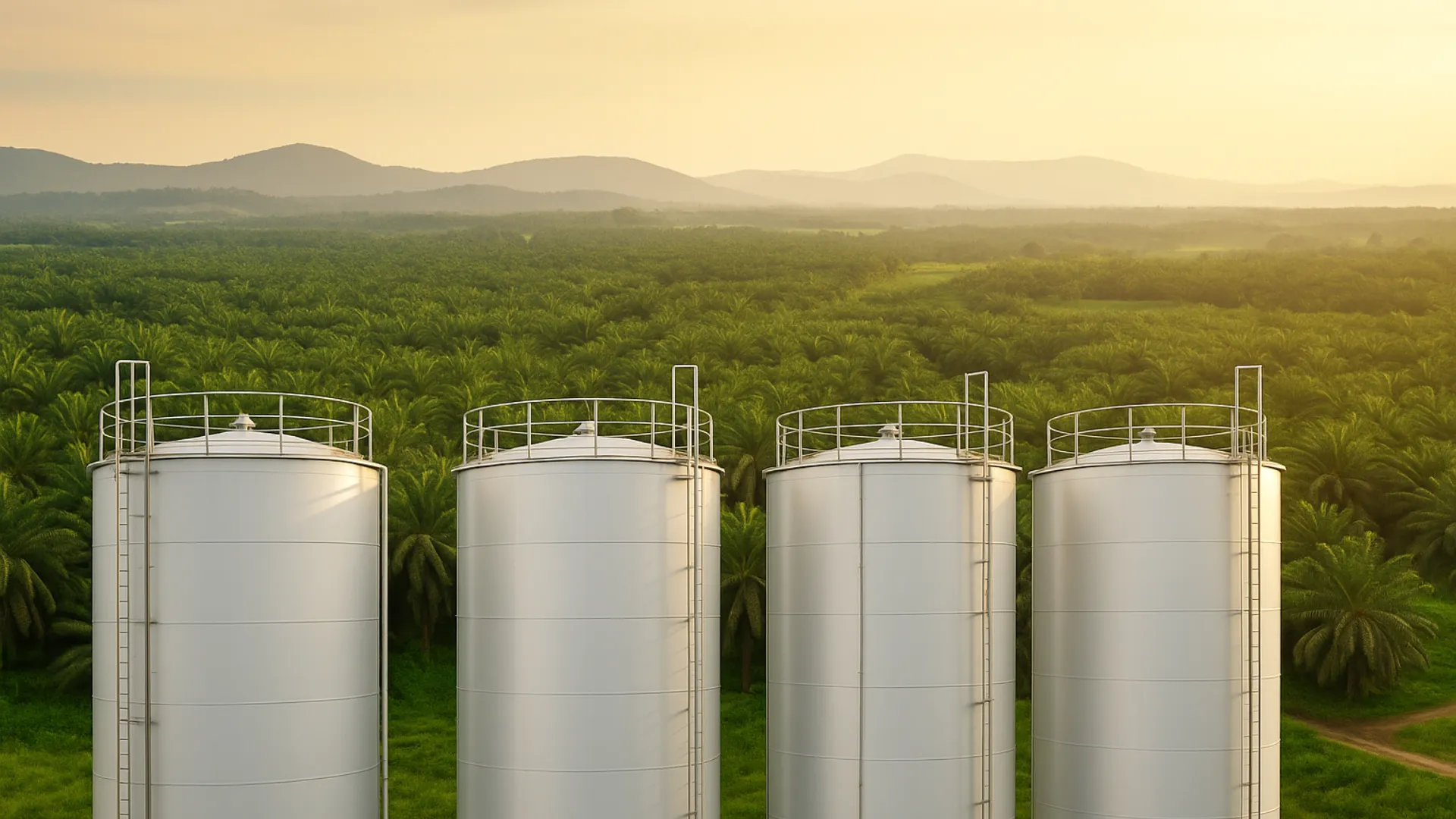
While the finished ingredient appears industrial and standardized, its stability is fundamentally dependent on agricultural commodities. Palm and coconut are perennial tropical crops highly sensitive to climate variability, rainfall patterns, temperature shifts, and extreme weather events. As climate volatility intensifies and geopolitical tensions reshape commodity trade, the supply chain of butter oil replacer raw materials faces structural risk.
This article provides a comprehensive analysis of how climate events, agricultural dependency, and export policy shifts threaten the stability of butter oil replacer supply, supported by production data, yield sensitivity metrics, and long-term resilience considerations.
The Structural Dependency: Palm Oil as the Backbone of Butter Oil Replacers
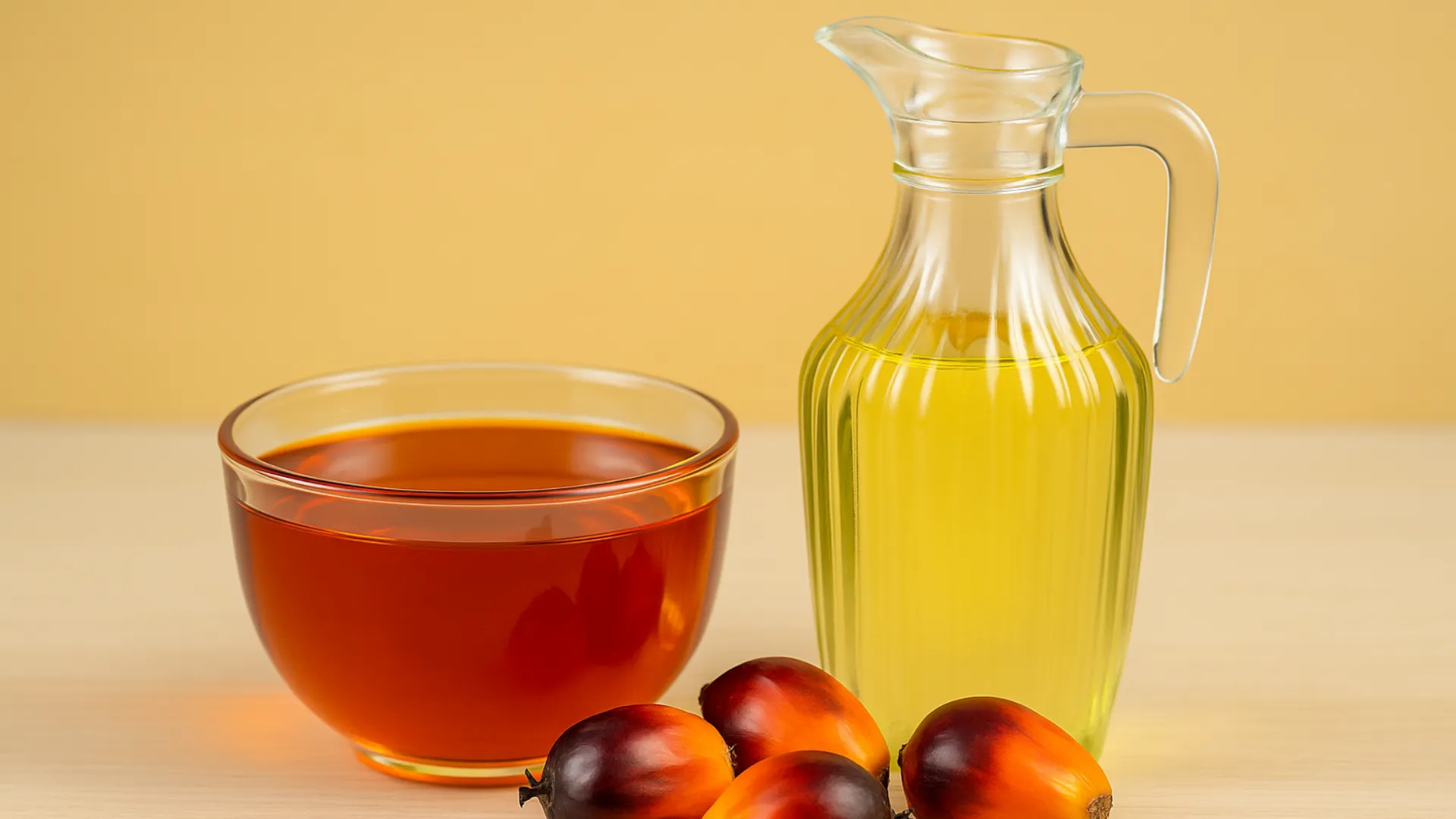
Palm oil is the dominant raw material in most butter oil replacer systems due to its semi-solid characteristics at room temperature, favorable fatty acid composition (high palmitic acid content), oxidative stability, and cost competitiveness.
Globally, palm oil production reached approximately 77–80 million metric tons annually in recent years. Indonesia accounts for roughly 58–60% of global supply, producing around 45–48 million metric tons per year, while Malaysia contributes approximately 18–20 million metric tons annually, representing about 25% of global production. Combined, these two countries control more than 80% of global palm oil output.
This high geographic concentration introduces inherent climate vulnerability. A weather disruption in Indonesia or Malaysia does not merely affect regional supply—it impacts global edible oil markets and downstream specialty fats, including butter oil replacers.
Palm Yield Sensitivity to Rainfall and Temperature
Oil palm (Elaeis guineensis) requires consistent rainfall of approximately 1,800–2,500 mm annually, evenly distributed throughout the year. Prolonged drought or excessive rainfall significantly reduces yield.
El Niño events, characterized by warmer Pacific Ocean temperatures and reduced rainfall in Southeast Asia, historically cause measurable production declines. During the 2015–2016 El Niño episode, Indonesian palm oil production growth slowed sharply, and output declined by an estimated 1–2 million metric tons compared to projected trends. Fresh fruit bunch (FFB) yields dropped by approximately 10–15% in affected regions due to water stress.
The biological structure of oil palm trees compounds the problem: yield impact is lagged. Drought conditions affect fruit formation cycles up to 12–18 months later. This means that a severe dry season can suppress production not only immediately but also in the following year, prolonging market tightness.
Conversely, excessive rainfall and flooding disrupt harvesting logistics and increase fruit rot risk. In Malaysia, monsoon-related flooding in 2021 disrupted plantation operations and milling activity, contributing to supply tightness and supporting crude palm oil (CPO) prices above USD 1,500 per metric ton at peak levels in early 2022.
Temperature sensitivity also matters. Optimal oil palm growth occurs between 24°C and 32°C. Prolonged heat stress reduces photosynthesis efficiency and oil accumulation rates. Climate change projections suggest rising temperature variability across Southeast Asia, potentially compressing optimal yield zones.
Coconut Crop Vulnerability and Secondary Risk
Coconut oil is another input in certain butter oil replacer formulations, particularly for lauric fat content and specific melting profiles. Global coconut oil production averages around 3.5–3.7 million metric tons annually. The Philippines and Indonesia are the largest producers, together accounting for roughly 60–65% of global output.
Unlike palm plantations, coconut trees are often grown by smallholder farmers with limited irrigation systems and lower mechanization levels. This increases vulnerability to typhoons, drought, and pest outbreaks.
The Philippines, which contributes approximately 14–15 million metric tons of coconuts annually (raw fruit basis), is highly exposed to typhoon activity. Typhoon Rai (Odette) in December 2021 damaged an estimated 8–10 million coconut trees, reducing coconut oil output in subsequent months and pushing global coconut oil prices above USD 2,000 per metric ton during supply peaks.
Coconut trees require 6–10 years to reach full productivity, meaning storm damage has multi-year consequences. This structural vulnerability introduces additional volatility to butter oil replacer formulations that depend on lauric oils.
Biodiesel Mandates and Domestic Consumption Pressure
Climate risk is not the only agricultural pressure. Government biodiesel mandates in Indonesia significantly influence palm oil availability for export markets. Indonesia implemented a B30 biodiesel program (30% palm-based biodiesel blend) and has progressively moved toward B35 and discussions around B40 blending.
Domestic biodiesel consumption in Indonesia now absorbs more than 10 million metric tons of palm oil annually. When global supply tightens due to weather events, domestic blending mandates effectively prioritize internal consumption, reducing export availability and increasing global price pressure.
This structural shift means that even moderate production shortfalls can translate into disproportionate export market disruption.
Geopolitical Export Restrictions and Policy Risk
Beyond weather, export policy interventions can rapidly destabilize raw material supply. In April 2022, Indonesia temporarily banned palm oil exports to control domestic cooking oil prices. Although the ban lasted only a few weeks, it triggered immediate global market shock, sending vegetable oil prices to record highs.
Butter oil replacer manufacturers dependent on palm fractions faced contract renegotiations and supply uncertainty.
Malaysia, while historically more export-oriented, also adjusts export taxes and quotas based on domestic economic conditions. Export duty structures can influence international price competitiveness and margin structures for downstream processors.
Given that Indonesia and Malaysia jointly control the majority of global palm supply, unilateral policy decisions have global consequences.
Freight and Logistics Amplification
Weather disruptions not only affect crop yield but also logistics infrastructure. Flooding in plantation regions can impair road access to mills. Port congestion during peak export seasons further exacerbates shipment delays.
During the COVID-19 period (2020–2022), container freight rates from Southeast Asia to Europe and the United States increased by 3–5 times compared to pre-pandemic levels. Although freight rates have normalized, climate-induced port disruptions remain a recurring risk factor.
For butter oil replacer manufacturers operating on tight production schedules, delayed palm fraction shipments can disrupt blending operations.
Long-Term Climate Trends and Yield Projections
Climate modeling suggests that Southeast Asia may experience increased rainfall variability, higher temperature averages, and more frequent extreme weather events by 2030–2050. Studies indicate potential yield decline scenarios of 5–10% in certain palm-growing regions under high-emission pathways if adaptation measures are not implemented.
Water stress, soil degradation, and shifting pest patterns further compound yield uncertainty. Smallholder-dominated coconut sectors are particularly vulnerable due to limited access to climate-resilient planting materials and irrigation systems.
Supply Resilience Strategies for Butter Oil Replacer Manufacturers
Given these structural vulnerabilities, long-term resilience planning is essential. Manufacturers increasingly diversify sourcing between Indonesia and Malaysia to reduce single-country exposure. Some are exploring West African palm oil expansion, although infrastructure limitations currently restrict large-scale substitution.
Strategic inventory buffering is another tool, though it increases working capital requirements. Long-term contracts with fractionation partners help secure supply during volatile periods.
Sustainability certifications such as RSPO (Roundtable on Sustainable Palm Oil) also support traceability and long-term plantation viability, indirectly strengthening supply security.
Research into alternative fat systems—including interesterified blends or novel oilseed sources—may provide partial mitigation in the long term, but palm oil’s yield efficiency (approximately 3.5–4.0 tons of oil per hectare, compared to soybean’s 0.4–0.5 tons per hectare) makes substitution economically challenging.
Conclusion: Climate as a Structural Cost Variable
Butter oil replacers are not merely functional fat systems; they are agricultural derivatives embedded in climate-sensitive supply chains. Palm yield sensitivity to rainfall and temperature, coconut crop vulnerability to typhoons, biodiesel-driven domestic consumption shifts, and geopolitical export interventions collectively shape the stability of raw material availability.
As climate volatility intensifies, weather risk is no longer an episodic event but a structural variable influencing pricing, availability, and procurement strategy.
For food manufacturers and ingredient traders, proactive monitoring of Southeast Asian weather cycles, biodiesel policy developments, and export regulation changes is essential. Diversified sourcing, contractual risk-sharing mechanisms, and long-term resilience planning will define competitive advantage in an increasingly climate-exposed edible oil landscape.