Introduction
The animal feed ingredients industry in Asia is undergoing rapid transformation, driven by population growth, rising incomes, and increasing demand for animal protein. Within this dynamic landscape, corn gluten meal has emerged as a strategic protein and energy source for poultry, aquaculture, ruminants, and pet food. As feed formulators seek to balance cost, performance, and sustainability, corn gluten meal is gaining traction as a reliable by-product of the corn wet-milling process.
Asia is already the world’s largest consumer of compound feed, with countries such as China, India, Indonesia, Vietnam, and Thailand acting as major demand centers. The region’s feed production has consistently expanded over the past decade, with estimates from industry associations such as the International Feed Industry Federation and Alltech’s Global Feed Survey indicating that Asia accounts for more than one-third of global feed output. In this context, the role of concentrated protein ingredients like corn gluten meal is becoming more critical to support efficient and profitable animal production systems.
This article examines the forecast and trends for corn gluten meal in Asia’s animal feed ingredients industry toward 2026. It explores market size and dynamics, technical benefits and applications, product specifications, and sourcing options through platforms such as chemtradeasia.in and chemtradeasia.co.id. The goal is to provide nutritionists, feed manufacturers, procurement managers, and agribusiness stakeholders with a comprehensive view of how corn gluten meal can fit into future feed strategies in the region.
Market Overview of Corn Gluten Meal in Asia
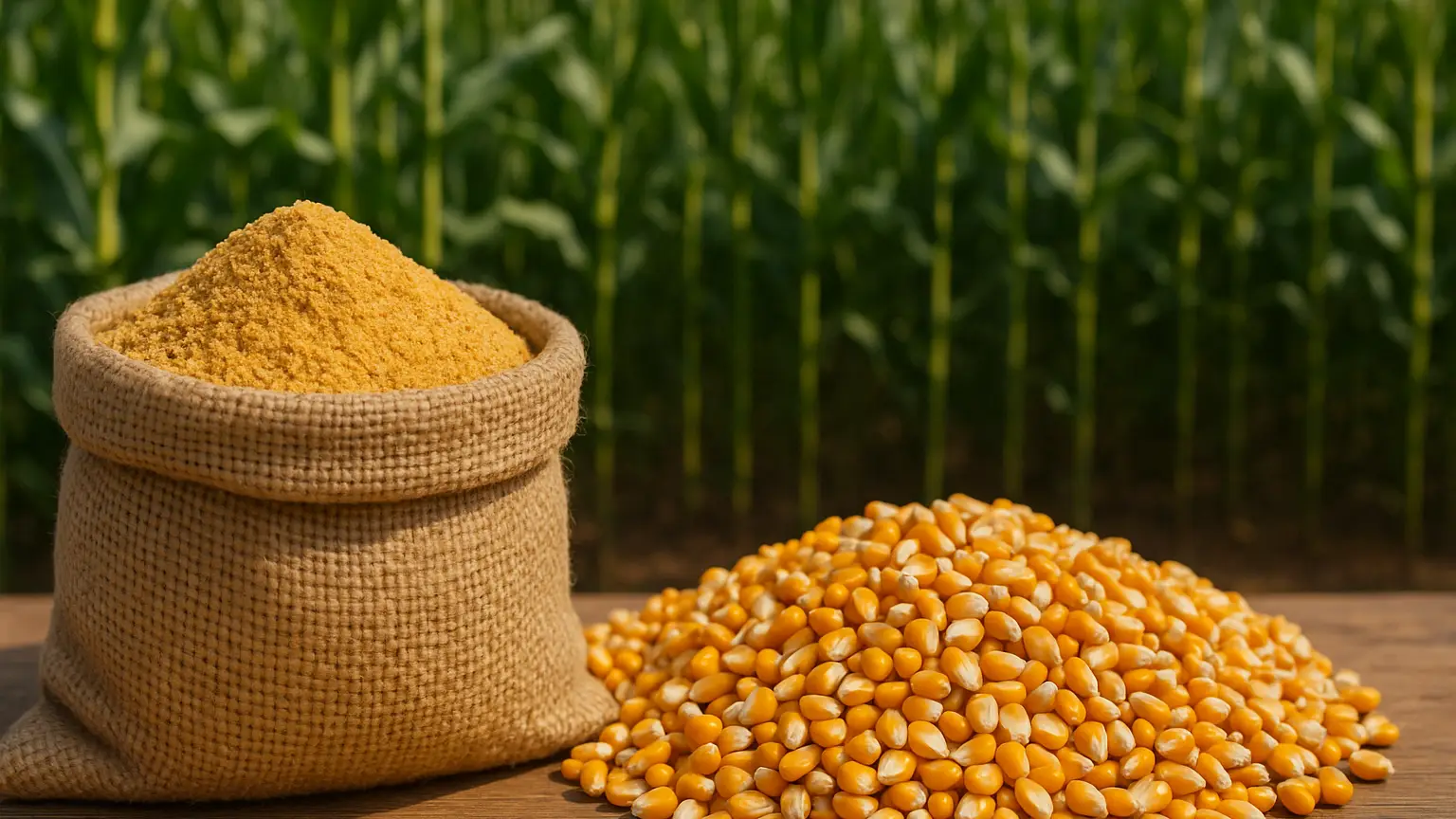
Corn gluten meal is a high-protein, high-energy ingredient derived from the wet-milling of corn, where starch is separated for food, beverage, and industrial uses. The remaining protein-rich fraction, after further processing and drying, is marketed as corn gluten meal, typically containing around 60% crude protein and significant metabolizable energy. Asia’s increasing reliance on corn as a feed grain, along with growing corn processing capacity, has supported a steady rise in both local production and imports of corn gluten meal.
China remains the dominant player, both as a producer and consumer of corn-based feed ingredients. Large-scale corn wet-milling facilities in China, as well as in countries like India and Indonesia, contribute to regional supply. However, a considerable volume of corn gluten meal is still imported from key producers such as the United States and certain European countries. Trade statistics over the last several years show consistent flows of corn by-products into Asia, reflecting the region’s structural protein deficit and its dependence on external sources of high-quality feed ingredients.
Toward 2026, demand for corn gluten meal in Asia is expected to grow in line with the expansion of intensive livestock and aquaculture systems. Poultry and aquaculture, in particular, are projected to be the main growth engines, as they respond quickly to dietary and market changes. Industry forecasts suggest that Asia’s total compound feed production could grow at a moderate pace annually, and within that, the share of specialty protein concentrates, including corn gluten meal, will gradually rise. Price competitiveness relative to other protein sources, such as soybean meal and fishmeal, will be a key determinant of uptake, but the functional benefits of corn gluten meal are increasingly recognized by formulators.
Key Benefits and Applications of Corn Gluten Meal in Animal Feed
The primary advantage of corn gluten meal is its high crude protein content, typically in the range of 58–62%, depending on processing conditions and origin. This makes it an effective partial substitute for other protein sources in feed formulations, especially where cost optimization and protein density are essential. In addition to protein, corn gluten meal offers valuable metabolizable energy and is relatively low in fiber, making it suitable for monogastric species such as poultry and fish, as well as for certain pet food applications.
Another important benefit is the presence of natural xanthophylls and carotenoids, which contribute to pigmentation. In poultry, corn gluten meal is widely used to enhance yolk color in eggs and skin coloration in broilers, characteristics that are highly valued in many Asian markets. In aquaculture, its digestible protein and amino acid profile can support growth and feed efficiency when used alongside other protein sources. While corn gluten meal is not a complete replacement for fishmeal or soybean meal, it can effectively complement them, improving the overall amino acid balance and reducing reliance on any single ingredient.
Applications of corn gluten meal extend across multiple species and feed segments. In broiler and layer diets, it can be included at moderate levels to contribute both protein and pigment. In aqua feeds for carp, tilapia, and certain marine species, it is often used as part of a blended protein matrix to achieve targeted digestibility and performance. In ruminant feeds, particularly for dairy cows, corn gluten meal can serve as a bypass protein source, improving milk production when properly balanced with energy and other nutrients. Premium pet food formulations may also incorporate corn gluten meal for its concentrated protein and functional properties, provided that quality and safety standards are strictly met.
Product Specifications, Quality Standards, and Sourcing via Tradeasia
For feed manufacturers and nutritionists, understanding the typical specifications of corn gluten meal is essential for accurate formulation and quality control. Commercial corn gluten meal used in animal feed generally offers crude protein levels around 60%, with moisture typically below 12% to ensure shelf stability. Crude fat content is often in the 2–5% range, while crude fiber remains relatively low. Ash content, color, particle size, and bulk density are additional parameters monitored by buyers, as they influence handling, mixing, and final feed characteristics.
Quality standards and regulatory compliance are critical in the Asian feed ingredients market. Feed producers increasingly demand traceability, consistent nutrient profiles, and assurance that products are free from contaminants such as mycotoxins, heavy metals, and microbiological hazards. Suppliers and trading platforms that adhere to recognized quality systems, such as ISO certifications and HACCP-based feed safety programs, are better positioned to serve the region’s modern feed mills. Documentation such as certificates of analysis, origin, and compliance with local regulations is often required for each shipment.
Digital trading platforms like chemtradeasia.in and chemtradeasia.co.id play a growing role in connecting Asian feed manufacturers with reliable sources of corn gluten meal. Through these portals, buyers can access detailed product specifications, compare multiple suppliers, and request quotations tailored to their volume and delivery needs. chemtradeasia.in primarily serves the Indian market and surrounding regions, offering corn gluten meal and other feed-related chemicals and ingredients with logistical support and documentation suited to local regulations. Similarly, chemtradeasia.co.id focuses on Indonesia and Southeast Asia, enabling feed mills and integrators to procure corn gluten meal efficiently, with options for different grades and packaging formats. By consolidating supplier information and streamlining transactions, these platforms help reduce sourcing risks and improve supply chain transparency.
Market Drivers, Challenges, and Outlook Toward 2026
Several structural drivers underpin the positive outlook for corn gluten meal in Asia’s animal feed industry. Rising consumption of poultry meat, eggs, fish, and dairy products is at the core of this growth. Urbanization, dietary diversification, and the expansion of modern retail channels are encouraging higher intake of animal protein, particularly in emerging markets such as India, Indonesia, Vietnam, and the Philippines. To meet this demand, producers are intensifying operations, which in turn increases the need for nutrient-dense, consistent feed ingredients that support high growth rates and feed conversion efficiency.
Cost management is another powerful driver. Volatility in soybean meal and fishmeal prices has encouraged nutritionists to explore alternative protein sources that can partially replace these traditional ingredients without compromising performance. Corn gluten meal, as a by-product of the corn processing industry, often offers competitive pricing, especially when global corn supplies are stable. Its ability to provide both protein and pigment in poultry, and its role as a digestible protein source in aquafeeds, makes it attractive in multi-species feed portfolios. Additionally, sustainability considerations are prompting feed producers to make better use of agricultural by-products, aligning with circular economy principles.
Despite these advantages, the corn gluten meal market in Asia faces challenges. Supply can be influenced by shifts in the global corn processing industry, biofuel policies, and trade regulations. Competition from other by-product feeds, such as distillers dried grains with solubles (DDGS), and from emerging alternative proteins, may limit the pace of growth in some segments. Nutritionally, corn gluten meal has limitations in certain essential amino acids, such as lysine, requiring careful formulation and the use of synthetic amino acids or complementary protein sources. Looking ahead to 2026, most industry analysts anticipate steady, moderate growth in corn gluten meal usage, with regional differences based on feed sector development and local regulatory frameworks. Platforms like chemtradeasia.in and chemtradeasia.co.id are expected to support this growth by improving market access, standardizing quality, and offering more transparent pricing and supply options.
Conclusion
Corn gluten meal has established itself as a valuable component of Asia’s animal feed ingredients portfolio, offering a combination of high protein, energy, and functional benefits such as pigmentation. In a region where feed demand continues to expand alongside population and income growth, this ingredient provides feed formulators with an important tool for balancing nutrition, cost, and performance across poultry, aquaculture, ruminant, and pet food applications.
Toward 2026, the outlook for corn gluten meal in Asia is broadly positive, supported by the intensification of livestock and aquaculture production, continued expansion of corn processing, and a growing emphasis on efficient use of agricultural by-products. While competition from other protein sources and market volatility will persist, corn gluten meal is likely to maintain and gradually increase its role within diversified feed formulations, particularly where its pigmentation and digestibility advantages are valued.
For feed manufacturers, integrators, and nutritionists seeking reliable access to high-quality corn gluten meal, digital sourcing platforms such as chemtradeasia.in and chemtradeasia.co.id offer practical solutions. By providing standardized specifications, supplier comparisons, and streamlined logistics, these platforms help reduce procurement complexity and support more resilient feed supply chains. As Asia’s feed industry evolves, strategic use of ingredients like corn gluten meal, backed by professional sourcing and quality assurance, will be essential to sustaining competitive and sustainable animal production systems across the region.
Leave a Comment