
Introduction
The Asian animal feed industry stands at the precipice of a transformative period, with Q1 2026 poised to underscore significant shifts in ingredient sourcing and nutritional strategy. At the heart of this evolution is corn gluten meal, a high-protein by-product of corn wet-milling that has transitioned from a supplementary ingredient to a cornerstone of modern feed formulations. The confluence of rising meat consumption, economic recovery, and a pressing need for cost-effective protein sources is creating unprecedented demand across the continent.
This article provides a comprehensive analysis of the corn gluten meal market trends specific to Asia for the first quarter of 2026. We will delve beyond surface-level statistics to explore the intricate drivers of demand, regional consumption patterns, and the strategic implications for feed millers, integrators, and nutritionists. The insights herein are critical for stakeholders aiming to optimize their supply chains, formulate competitively superior feeds, and capitalize on the opportunities presented by this dynamic market segment.
The Rising Star: Corn Gluten Meal as a Premium Feed Ingredient
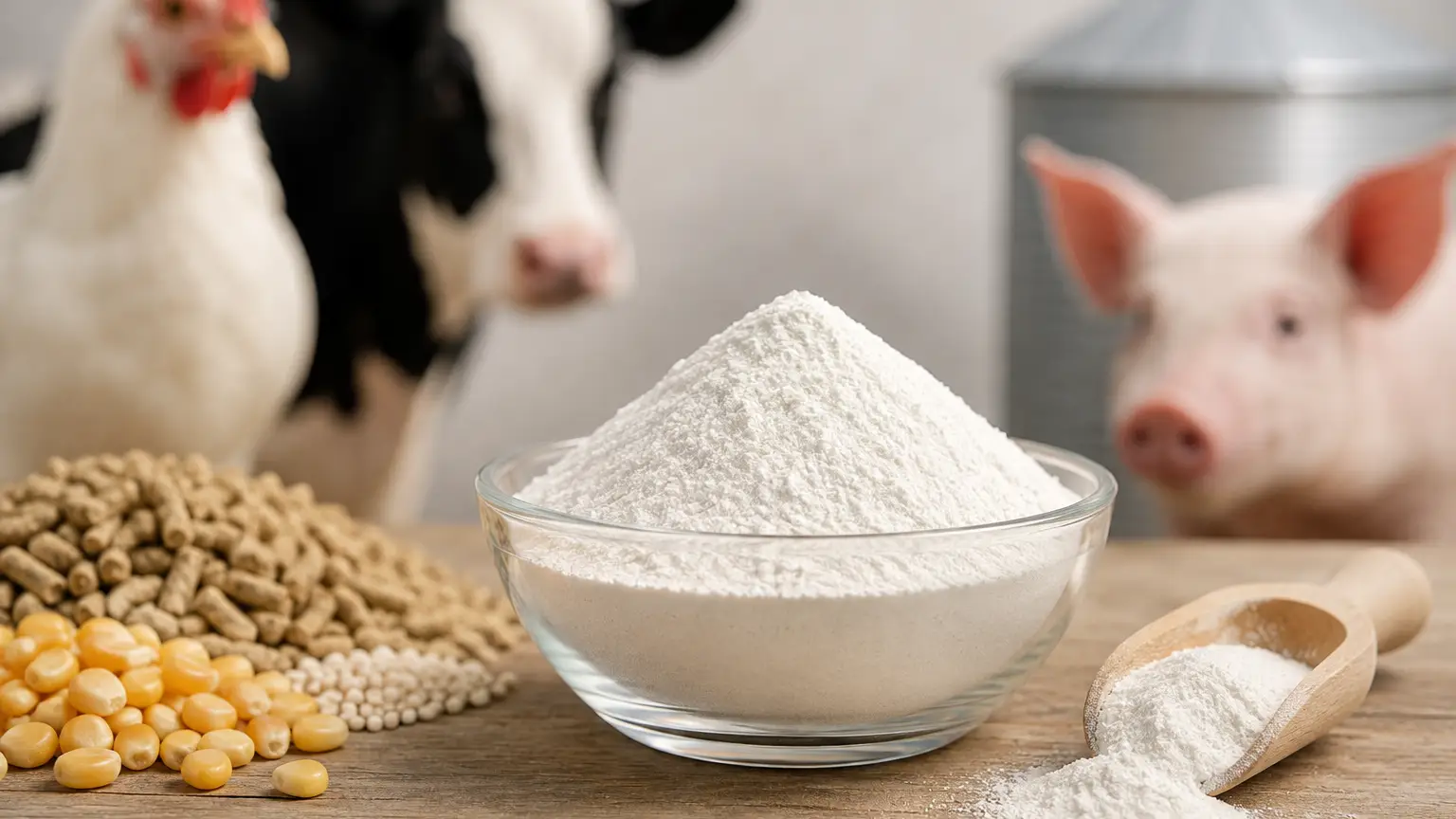
Corn gluten meal (CGM) is distinguished by its unique nutritional profile, typically containing 60-65% crude protein. This places it among the most concentrated plant-based protein sources available to the feed industry. Unlike soybean meal, its primary competitor, CGM offers a highly digestible protein rich in methionine and cystine, which are often limiting amino acids in poultry and swine diets. Furthermore, its characteristic yellow pigment, xanthophylls, provides a natural coloring agent for egg yolks and broiler skin, adding value beyond mere nutrition.
The application of corn gluten meal spans across all major livestock sectors. In poultry feed, it is prized for enhancing muscle development and feed efficiency. For swine, it contributes to lean meat production and overall growth performance. Perhaps most notably, its role in aquaculture feed is expanding rapidly, particularly in shrimp and fish diets, where its high protein digestibility and palatability are major assets. This versatility, coupled with its consistent quality when sourced from reliable producers, makes it a highly strategic ingredient.
When compared to other protein meals, corn gluten meal offers a compelling value proposition. Its amino acid profile complements soybean meal effectively, allowing nutritionists to reduce reliance on synthetic methionine supplements. Additionally, as a by-product, it often presents a more stable and occasionally more economical alternative to fishmeal in aquafeeds, aligning with the industry's push for sustainability. For feed manufacturers across Asia, incorporating CGM is not just a cost decision but a formulation strategy to enhance feed quality and animal performance.
Key Market Drivers Fueling Demand in Q1 2026
The projected surge in demand for corn gluten meal in early 2026 is not occurring in a vacuum. It is being propelled by a powerful triad of demographic, economic, and industry-specific factors. Foremost is the relentless growth of Asia's middle class, whose increasing disposable income is directly correlated with higher per capita consumption of animal protein. This translates to expanded herds and flocks, requiring more feed and, consequently, more high-quality ingredients like CGM to maintain optimal growth rates and production efficiency.
Secondly, the broader trend of supply chain regionalization and food security is prompting Asian nations to bolster their domestic livestock and aquaculture sectors. Governments are implementing policies and incentives to increase local production, reducing dependency on imported meat. This policy-driven expansion of the animal production base creates a direct, sustained pull for feed ingredients. Furthermore, the volatility in prices of traditional protein sources, such as fishmeal and even soybean meal, is driving nutritionists to seek reliable, high-performance alternatives, positioning corn gluten meal as a strategic buffer in feed formulations.
Technological advancements in feed milling and precision nutrition are also significant drivers. Modern feed mills can more efficiently handle and incorporate a diverse range of ingredients, allowing for greater formulation flexibility. Nutritionists, armed with advanced least-cost formulation software, are increasingly recognizing the value of CGM's specific nutrient matrix. This data-driven approach optimizes its inclusion rates to achieve precise nutritional and economic outcomes, moving its usage from art to science and solidifying its place in standard feed recipes.
Regional Analysis: Hotspots of Growth Across Asia
The demand for corn gluten meal is not uniform across Asia; distinct regional hotspots are emerging with unique demand drivers. Southeast Asia, particularly Vietnam, Thailand, Indonesia, and the Philippines, represents the most dynamic growth corridor. Here, the booming aquaculture industry, especially shrimp farming, is a primary consumer. The shift towards intensive farming practices necessitates high-protein, nutrient-dense feeds where CGM excels. Platforms like feedingredientsasia.com are crucial in connecting suppliers with these rapidly evolving markets.
In East Asia, China remains the undisputed giant, consuming a significant portion of the world's feed ingredients. While domestic corn processing produces substantial CGM, the quality and consistency required by large-scale integrators often necessitate imports. South Korea and Japan, with their advanced and quality-conscious livestock sectors, consistently demand high-grade corn gluten meal for poultry and swine diets, often sourcing through specialized import channels that prioritize traceability and nutritional guarantees.
South Asia, led by India and Bangladesh, presents a market with immense potential. India's dairy and poultry sectors are experiencing robust growth, fueling demand for concentrated protein sources. However, market penetration faces challenges related to price sensitivity and established sourcing patterns for oilseed meals. Strategic suppliers engaging through localized platforms, such as chemtradeasia.in, can better navigate these nuances. Meanwhile, Bangladesh's rapidly expanding poultry industry is becoming a notable importer, seeking to improve feed conversion ratios and reduce costs.
Navigating Supply, Pricing, and Sourcing Strategies
The Q1 2026 market for corn gluten meal in Asia will be characterized by tight supply dynamics and price volatility influenced by global corn harvests, energy costs affecting production, and logistical bottlenecks. Major exporting regions like the United States and the European Union will see their production levels scrutinized, as any shortfall directly impacts availability in Asia. Consequently, forward contracting and strategic inventory management will become essential practices for large-volume buyers to mitigate price risk and ensure supply continuity.
Developing a resilient sourcing strategy is paramount. This involves diversifying supplier portfolios beyond traditional channels. Engaging with reputable global suppliers through specialized B2B platforms like chemtradeasia.com or its regional counterparts (chemtradeasia.co.id for Indonesia) provides access to verified quality, competitive pricing, and logistical support. These platforms offer transparency, allowing buyers to compare specifications, such as protein content (minimum 60%), moisture (max 10%), and fat levels, ensuring the product meets their precise formulation requirements.
Beyond simple procurement, successful navigation of this market requires a partnership approach. Collaborating with suppliers who provide consistent quality, reliable documentation (including certificates of analysis), and technical support can offer a significant competitive advantage. Buyers should also stay informed about trade policies, tariffs, and shipping freight rates, as these ancillary costs can dramatically affect the landed price of corn gluten meal. In a competitive feed market, the efficiency and intelligence of the sourcing operation directly contribute to the bottom line.
Conclusion
The trajectory for corn gluten meal in the Asian feed ingredients market is decisively upward as we approach Q1 2026. Its intrinsic value as a high-protein, digestible, and functional ingredient aligns perfectly with the region's drive for greater livestock and aquaculture productivity, cost efficiency, and sustainable production. The market is being shaped by powerful macroeconomic forces, regional policy shifts, and advancements in animal nutrition science, all converging to elevate CGM from a commodity to a strategic feed component.
For industry stakeholders, success will hinge on proactive market intelligence, agile and diversified sourcing strategies, and a deep understanding of the ingredient's application across different species. Leveraging digital platforms dedicated to feed ingredients can streamline this process, connecting buyers with reliable supply. As Asia continues to solidify its position as the global epicenter of animal protein production, corn gluten meal is set to play an increasingly vital role in feeding the continent's growing population, making its market trends a critical focus for the future.