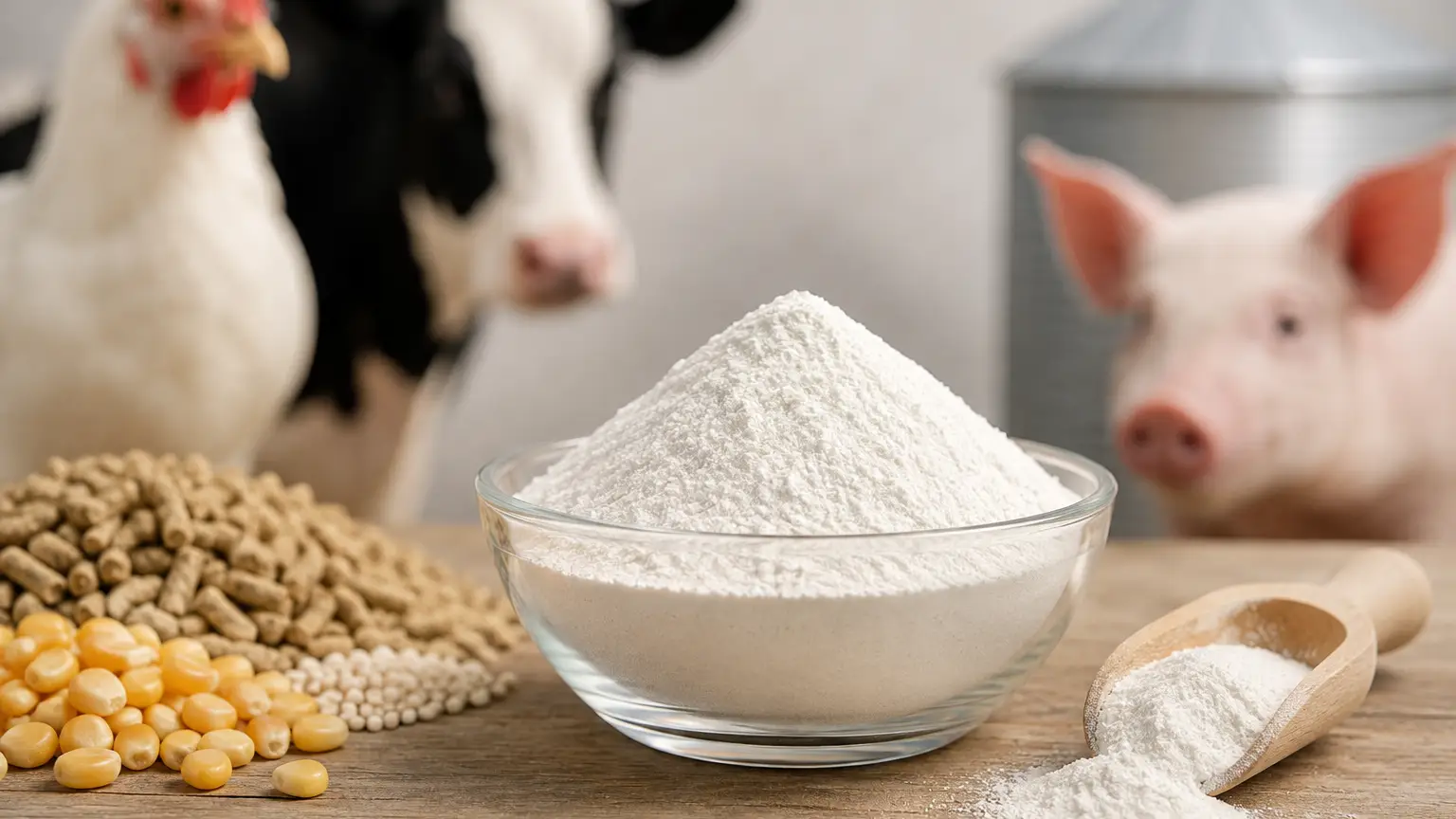
Corn gluten meal remains a high-protein workhorse in animal feed, particularly for poultry, aquaculture, and ruminant diets. However, the sourcing landscape entering 2026 presents new complexities that legacy procurement models struggle to address. The convergence of shifting ethanol economics, corn market volatility, and concentrated regional supply means feed buyers face heightened cost and availability risks that demand updated strategies.
For procurement teams managing feed ingredient portfolios, corn gluten meal now requires the same strategic attention as primary protein sources. What worked in previous cycles may no longer provide the reliability and cost stability that feed operations depend on.
Why Corn Gluten Meal Can No Longer Be Treated as a Stable Ingredient
Historically, corn gluten meal benefited from relatively steady output patterns tied to corn wet milling operations producing starch, sweeteners, and ethanol. Because feed demand represented a secondary consideration rather than the primary driver of wet milling economics, buyers could reasonably expect consistent availability with modest price fluctuations.
That dynamic has fundamentally shifted entering 2026. Wet millers increasingly optimize their production schedules around higher-margin starch derivatives and biofuel streams rather than maintaining balanced by-product output. The result is sharper volume fluctuations in corn gluten meal availability, creating exposure to supply interruptions and price volatility that traditional sourcing approaches cannot adequately manage.
Understanding Corn Gluten Meal Supply Fundamentals
Corn Wet Milling and By-Product Economics
The economic reality of corn wet milling determines when and how much corn gluten meal reaches feed markets. Starch extraction, sweetener production, and ethanol requirements all take priority in the value chain, with corn gluten meal generated as a residual output after these primary products are secured.
This hierarchical structure creates a critical vulnerability for feed buyers. When ethanol margins strengthen or starch demand accelerates, millers naturally prioritize those revenue streams, often adjusting corn gluten meal allocations with little advance notice to feed customers. Feed demand alone cannot secure preferential access during these periods, regardless of contract terms or historical relationships.
Buyers who fail to monitor upstream wet milling economics find themselves repeatedly caught off guard by availability shifts that originate far outside the feed sector. Understanding where wet millers focus their optimization efforts provides essential early warning signals for procurement teams.
Nutritional Value and Functional Role in Feed
Corn gluten meal typically delivers approximately 60 percent crude protein, combined with strong digestible energy characteristics and naturally occurring xanthophylls. These yellow pigments serve important functional roles in poultry production by supporting skin and yolk coloration, while also contributing to visual quality in aquaculture species.
However, these nutritional and functional benefits depend heavily on receiving consistent protein levels and maintaining low moisture content throughout the supply chain. When production conditions tighten or logistics extend delivery timelines, quality variability tends to increase. This variability directly undermines the formulation precision that modern feed operations require, potentially affecting both feed performance and end-product consistency.
Supply Chain Pressures Reshaping Availability in 2026
Competition From Ethanol and Starch Derivatives
Renewed biofuel mandates across the United States and select Asian markets continue redirecting corn supplies toward ethanol production. Wet millers respond to these policy incentives by favoring co-products like distillers grains, which often command better margins and benefit from more stable domestic demand patterns compared to corn gluten meal.
Simultaneously, global market conditions creating shortages in sweeteners and starch derivatives push processors toward exporting these higher-value products rather than prioritizing feed by-product availability. This dual pressure from both biofuel policy and industrial starch demand reduces the volume of corn gluten meal reaching export markets, with particularly acute effects on Asia-Pacific buyers who depend on imported supplies.
The interplay between these competing demand streams creates a structural challenge rather than a temporary disruption. Feed buyers cannot simply wait out a tight quarter and expect normalized supply conditions to return automatically.
Regional Production Concentration Risks
More than two-thirds of global corn gluten meal exports originate from the United States, with only limited secondary supply sources available from Europe and China. This concentrated production geography exposes buyers to multiple risk factors: weather disruptions affecting U.S. corn harvests, inland logistics bottlenecks in the Mississippi River system, and potential trade policy shifts affecting export availability.
For import-dependent regions throughout Southeast Asia, heavy reliance on a single origin country magnifies every disruption that occurs. Even relatively short-term supply interruptions can cascade into weeks of feed reformulation challenges as procurement teams scramble to identify alternative protein sources that fit existing nutritional specifications.
Geographic concentration that might seem manageable during stable market conditions becomes a critical vulnerability when multiple risk factors align simultaneously. The 2026 market environment presents exactly this type of multi-factor risk scenario.
Price Volatility and Contracting Challenges
Input Cost Sensitivity
Corn gluten meal pricing maintains close correlation with both corn futures markets and energy costs affecting wet milling operations. The energy-intensive nature of wet milling means that power and natural gas price spikes flow directly into production cost structures. With corn prices expected to trade within a USD 5 to 6 per bushel range during 2026, the transmission of input cost volatility into corn gluten meal pricing runs stronger than in previous market cycles.
Fixed-price contracts negotiated without adequate cost passthrough mechanisms increasingly create strain in supplier relationships or lead to volume shortfalls when market conditions move against producers. The contracting approaches that worked during more stable periods now require fundamental rethinking
Spot Market Exposure Versus Contract Reliability
Relying heavily on spot market purchases exposes buyers to quarter-over-quarter price swings that can reach 15 to 25 percent depending on seasonal patterns and corn market conditions. At the same time, traditional long-term contracts provide less reliability during tight supply cycles, as suppliers face pressure to reallocate volumes toward domestic customers or outlets offering better margins.
This squeeze from both sides of the contracting spectrum forces procurement teams toward more sophisticated blended approaches. Successful strategies now combine indexed pricing mechanisms, built-in volume flexibility, and maintained contingency sourcing relationships to preserve feed production continuity regardless of which way market conditions break.
Quality and Specification Risks Feed Buyers Face
Protein and Moisture Variability
Protein content in corn gluten meal typically ranges from 58 to 62 percent depending on corn variety characteristics and specific processing conditions at individual wet milling facilities. While this range might appear modest, even small deviations create ripple effects through amino acid balancing calculations, particularly in precision poultry and shrimp formulations where nutritional margins remain tight.
Moisture control presents equally critical challenges. Elevated moisture levels raise mold contamination risk during transit and storage periods, leading to higher rejection rates at receiving facilities and forcing reduced inclusion levels that disrupt formulation plans. Quality issues that might seem minor at the specification level translate into significant operational problems at the mill.
Storage and Shelf-Life Challenges
Tropical climate conditions accelerate corn gluten meal oxidation, particularly when material undergoes bulk handling with extended exposure to heat and humidity. Practical shelf life can shrink to three to six months after port discharge if storage facilities lack adequate climate control and handling procedures.
Port congestion and inland transport delays that have become more common in recent years further compound degradation risks by extending the time between production and final delivery. These factors contribute hidden costs that extend well beyond headline pricing, ultimately affecting the true delivered value that feed operations receive.
Why 2026 Requires a New Sourcing Strategy
Supplier Diversification and Origin Flexibility
Current sourcing patterns across many Asia-Pacific feed operations show over half of corn gluten meal volume coming from a single origin country. This concentration level no longer represents acceptable risk management given the market conditions developing in 2026. Deliberately blending supply sources across the United States, Europe, and emerging production origins helps stabilize both volume availability and pricing exposure while reducing vulnerability to origin-specific disruptions.
Market data suggests that meaningful supplier diversification can mitigate up to 20 percent of potential supply shortfalls during volatile periods. Perhaps more importantly, diversification provides negotiating leverage that single-source relationships cannot deliver, particularly when supply conditions tighten unexpectedly.
Aligning Procurement With Feed Formulation Strategy
Modern sourcing excellence requires tight integration between procurement execution and formulation planning processes. The most successful feed operations work with suppliers who provide consistent specifications and offer technical support for ingredient substitution strategies when market conditions demand flexibility.
Maintaining pre-approved alternatives such as sunflower meal or other plant protein sources enables rapid formulation matrix adjustments without compromising animal performance targets. This flexibility transforms ingredient availability challenges from production crises into manageable operational decisions.
Practical Steps Feed Buyers Should Take Now
Effective risk management in the current environment begins with reassessing supplier portfolios on at least a quarterly basis while maintaining active working relationships with multiple approved origins. Simply having backup suppliers in a database provides limited value compared to maintaining regular dialogue and periodic trial purchases that verify capabilities before emergency needs arise.
Monitoring upstream market indicators offers early warning signals before supply pressures reach the feed ingredient market. CBOT corn futures, ethanol inventory levels, and wet milling capacity utilization rates all provide valuable leading indicators that help anticipate corn gluten meal supply shifts with enough advance notice to adjust procurement strategies.
Contract structures should evolve beyond simple fixed-price or spot exposure models. Incorporating indexed pricing mechanisms tied to corn futures, building in volume flexibility provisions, and establishing clear quality specifications with defined acceptance criteria all contribute to more resilient supply arrangements. Scenario planning within feed formulation software helps stress-test diet matrices against potential corn gluten meal shortages, identifying substitution strategies before they become urgent necessities.
Conclusion
The corn gluten meal market entering 2026 no longer supports autopilot sourcing approaches that worked in previous cycles. Competition from ethanol production, concentrated regional supply, inherent quality variability, and evolving customer expectations around sustainability elevate corn gluten meal into a strategic procurement category requiring dedicated attention and sophisticated management.
Feed buyers who proactively rethink their sourcing strategies during 2026 position themselves for stronger cost control, improved supply security, and greater formulation resilience compared to competitors maintaining outdated approaches. The market complexity creates both challenges and opportunities, with advantage flowing to organizations that recognize the changed environment and adapt their procurement practices accordingly.
As corn gluten meal transitions from a routine ingredient to a strategic procurement category, having partners who understand both feed formulation requirements and global commodity market dynamics becomes increasingly valuable. Reach out to learn how we support feed operations in building more resilient ingredient sourcing strategies.