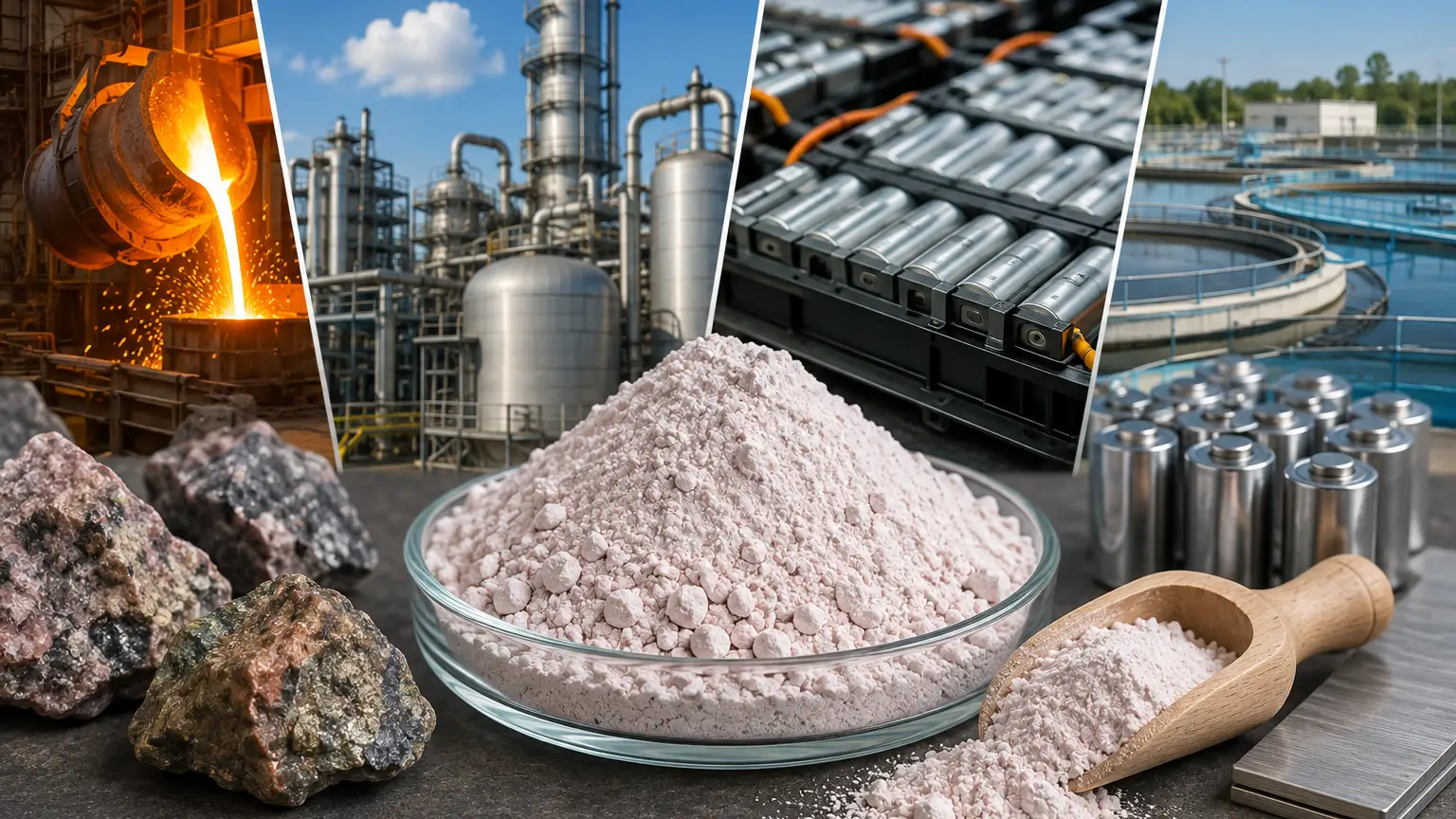
Hydrogen Peroxide Market Conditions in 2026
The hydrogen peroxide market 2026 is entering a period of volatility as energy costs rise and global chemical logistics face increasing pressure. Hydrogen peroxide remains a critical industrial chemical used across several sectors, including pulp and paper bleaching, water treatment, electronics manufacturing, and textile processing. Because production and distribution rely on stable energy supply and global transport networks, geopolitical disruptions can significantly influence market dynamics.
According to market analysis published by the International Energy Agency and ICIS, chemical markets frequently experience cost fluctuations when global energy prices rise sharply. Energy-intensive chemical processes become more expensive to operate, which directly influences the hydrogen peroxide price trend in international markets.
Expanding Industrial Demand for Hydrogen Peroxide
Global hydrogen peroxide demand continues to expand due to increasing industrial applications and environmental regulations. Many industries rely on hydrogen peroxide as a strong oxidizing agent that supports bleaching, sterilization, and chemical synthesis processes.
Research from the European Chemical Industry Council highlights that the chemical’s environmentally friendly decomposition into water and oxygen has made it increasingly attractive for industrial processes seeking sustainable alternatives to chlorine-based oxidizers.
Energy Prices and Petrochemical Production Costs
Energy costs play a central role in chemical manufacturing because many production processes require large amounts of electricity, steam, and industrial gases. Hydrogen peroxide production typically relies on the anthraquinone process, which consumes significant energy during both synthesis and purification stages.
According to industry analysis published by Reuters and ICIS, crude oil prices have increased sharply in several regions due to geopolitical tensions affecting global energy supply routes. These increases have raised production costs across multiple chemical sectors.
Oil Price Surge Petrochemical Market
The oil price surge petrochemical market dynamic directly influences the cost of producing industrial oxidizing agents such as hydrogen peroxide. Rising energy costs increase the operational expenses of chemical plants, which must then adjust pricing to maintain profitability.
As a result, the energy price impact on chemicals is becoming more evident in global supply contracts. Buyers are monitoring energy markets closely because fluctuations in oil prices can quickly translate into higher chemical prices.
Force Majeure Announcements and Supply Disruptions
Another factor influencing the hydrogen peroxide market is the announcement of force majeure events by chemical producers. Force majeure declarations occur when companies temporarily suspend contractual obligations due to unforeseen circumstances such as accidents, production outages, or logistical disruptions.
According to chemical industry reports published by ICIS, some producers have declared force majeure due to operational disruptions or energy shortages affecting production capacity.
Regional Supply Constraints
When force majeure events occur, supply availability in regional markets can become constrained. Buyers may experience delays or reduced shipment volumes while producers restore normal production levels.
Further analysis of shipping disruptions affecting hydrogen peroxide trade can be reviewed in the
Strait of Hormuz Crisis Logistics Insight (https://www.chemtradeasia.co.id/market-insights/strait-hormuz-crisis-logistics-uncertainty-hydrogen-peroxide-supply-chains), which examines how maritime risks influence chemical supply chains.
Industrial Demand for Hydrogen Peroxide Across Sectors
Hydrogen peroxide serves a wide range of industries that rely on its oxidizing properties for industrial processing. The pulp and paper industry uses hydrogen peroxide extensively in bleaching operations to produce high-quality paper products.
According to research published by the International Water Association, hydrogen peroxide water treatment applications are also expanding due to stricter environmental regulations for industrial wastewater treatment.
Semiconductor and Electronics Applications
Hydrogen peroxide semiconductor cleaning processes are another major driver of global demand. The semiconductor industry relies on ultra-pure hydrogen peroxide solutions to remove organic contaminants and prepare wafer surfaces during chip manufacturing.
Manufacturers seeking reliable industrial supply can review product specifications through the
Hydrogen Peroxide 50% South Korea Product Page (https://www.textilechemicalsasia.com/en/hydrogen-peroxide-50-southkorea) and the
Hydrogen Peroxide 50% Bangladesh Product Page (https://www.textilechemicalsasia.com/en/hydrogen-peroxide-50-bangladesh), which provide details on product availability and applications.
Logistics Challenges in the Global Chemical Supply Chain
Transporting hydrogen peroxide requires specialized logistics due to its reactive chemical properties. Bulk shipments must be handled in compatible containers and transported according to strict safety regulations.
According to the International Maritime Organization (IMO), chemical shipments must follow strict handling guidelines to prevent contamination or decomposition during transportation.
Documentation and Technical Compliance
Industrial buyers often require safety documentation, technical data sheets, and regulatory certifications before finalizing chemical procurement. These documents ensure compliance with international safety and transportation regulations.
Technical documentation can be accessed through the
Textile Chemicals Asia Download Center (https://www.textilechemicalsasia.com/en/download-center), which provides product specifications and safety information for industrial buyers.
Procurement Strategies for Hydrogen Peroxide Buyers
As energy prices and logistics disruptions create uncertainty in chemical markets, procurement strategies are becoming increasingly important for industrial buyers. Companies are focusing on diversified sourcing and stronger supplier partnerships to reduce supply chain risks.
According to supply chain research published by the World Economic Forum, companies that actively monitor global logistics conditions and energy markets are better positioned to manage procurement challenges.
Building Stable Supplier Relationships
Developing long-term supplier relationships helps companies secure reliable supply even during volatile market conditions. Strategic partnerships also allow buyers to access technical support and coordinated logistics planning.
Companies seeking reliable supply and sourcing support can coordinate procurement inquiries through the
Textile Chemicals Asia Contact Page (https://www.textilechemicalsasia.com/en/contact-us), which connects industrial buyers with chemical supply specialists.
Conclusion
The hydrogen peroxide market 2026 is facing increased volatility as rising oil prices and force majeure events disrupt global chemical supply chains. Higher energy costs are increasing manufacturing expenses, while shipping disruptions and logistics constraints are creating uncertainty in regional markets.
As global hydrogen peroxide demand continues to grow across industries such as water treatment, pulp and paper, and semiconductor manufacturing, buyers must adopt proactive procurement strategies. By evaluating supply options through the Hydrogen Peroxide 50% South Korea Product Page and Hydrogen Peroxide 50% Bangladesh Product Page, reviewing documentation in the Textile Chemicals Asia Download Center, consulting insights from the Strait of Hormuz Crisis Logistics Insight, and coordinating sourcing through the Textile Chemicals Asia Contact Page, companies can better navigate the evolving hydrogen peroxide supply landscape in 2026.